
-
Unfortunately, nothing was found for your request, you can search for another keyword, or contact us with your question through the feedback form
Search results (25)
All results (25)

The Return of Ukrainians as a Prerequisite for the Country’s Recovery: Discussions in Gdańsk Focused on Voluntary, Informed, and Sustainable Decisions
July 1, 2026
According to the United Nations Refugee Agency (UNHCR), as of the end of April 2026, nearly 5.8 million Ukrainians who were forced to flee their homes due to the full-scale war remain abroad. Of these, about 4.4 million are benefiting from temporary protection mechanisms in European Union member states.
In this context, Ukraine faces a strategic challenge: not only to support those who are returning but also to create conditions for those who are yet to make that decision.
What should government policies look like to ensure that future decisions to return are voluntary, sustainable, and form the foundation for the country’s recovery?
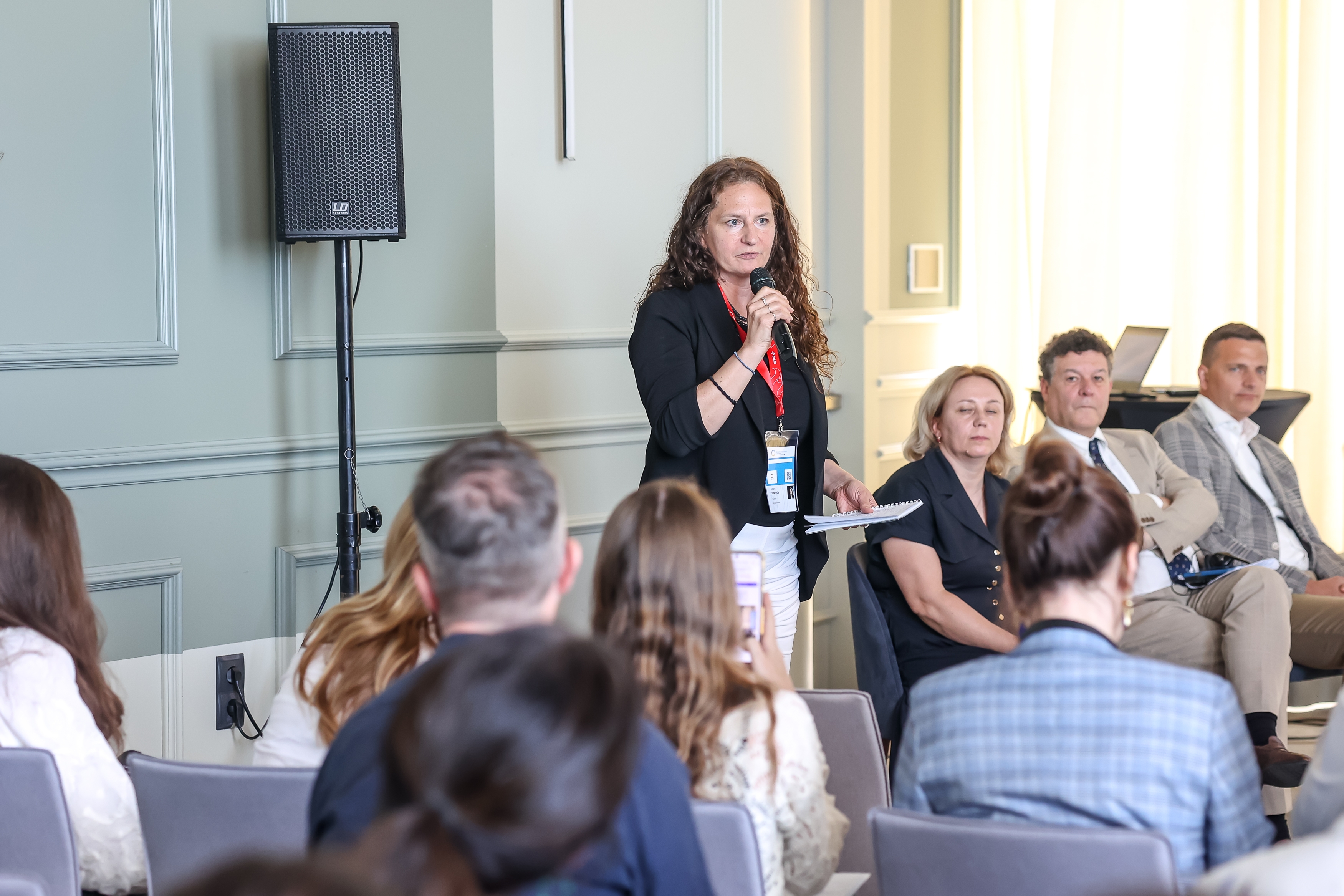
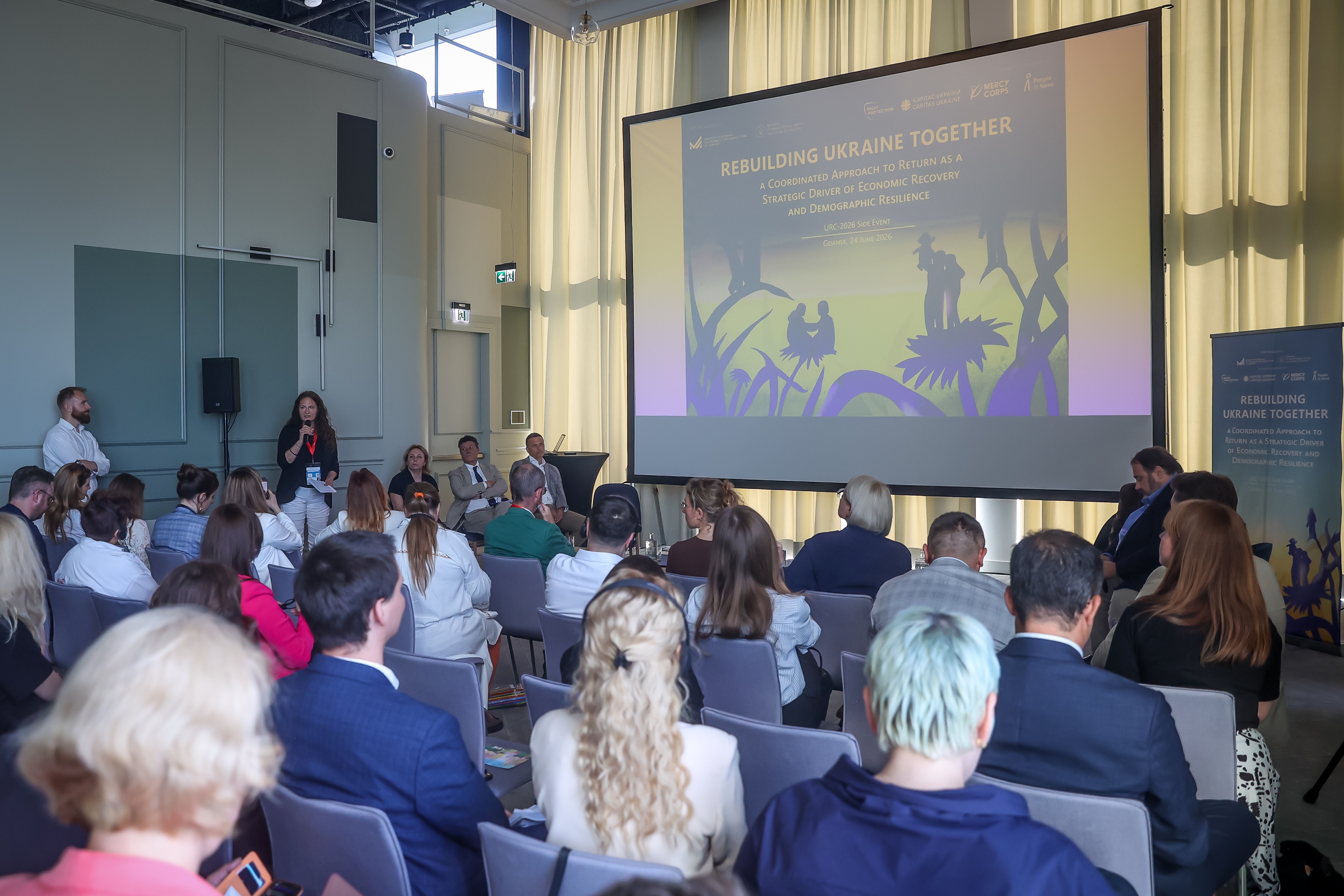
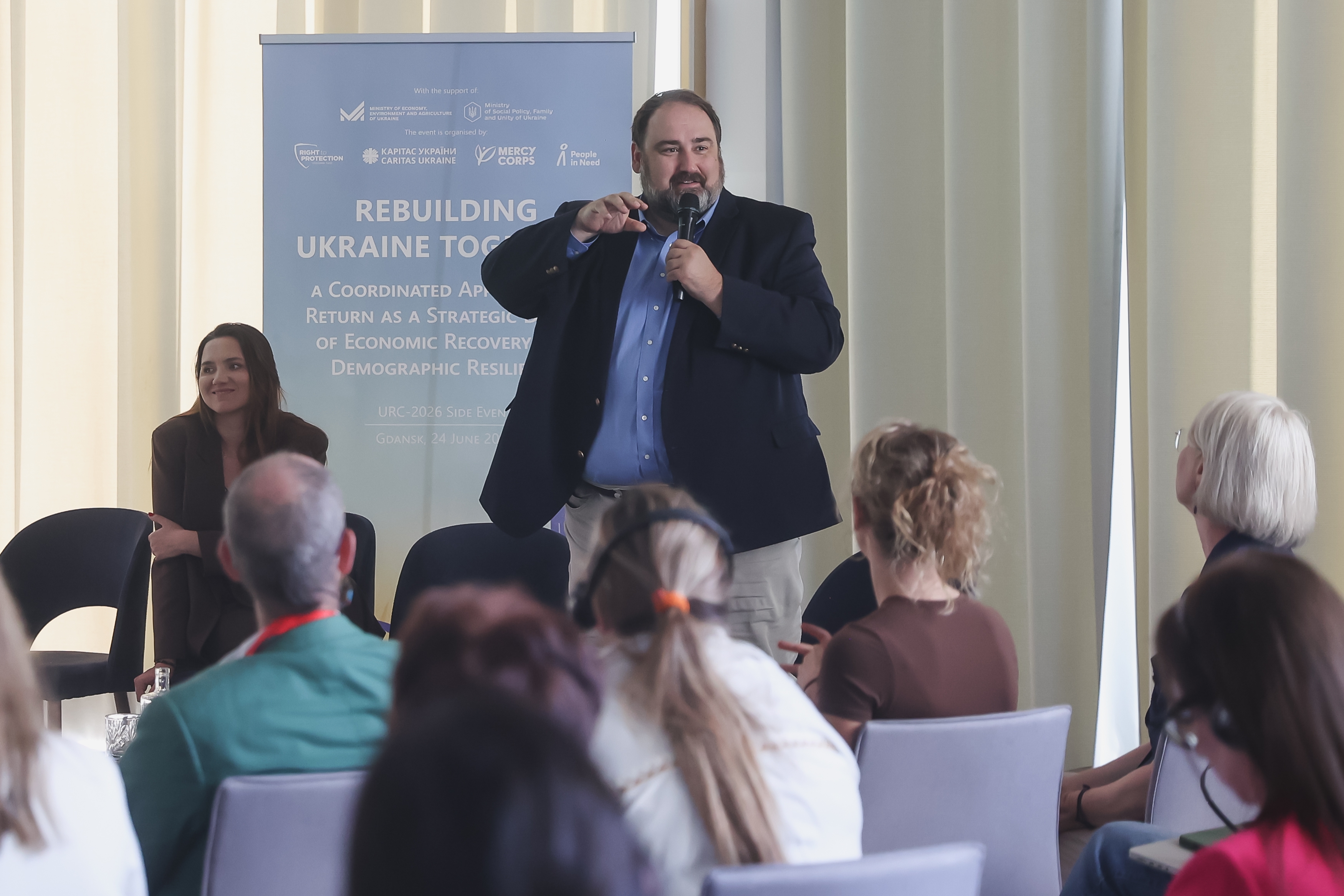
This question was the central theme of the Rebuilding Ukraine Together — A Coordinated Approach to Return as a Strategic Driver of Economic Recovery and Demographic Resilience official side event, which took place on 24 June in Gdańsk as part of this year’s Ukraine Recovery Conference 2026.
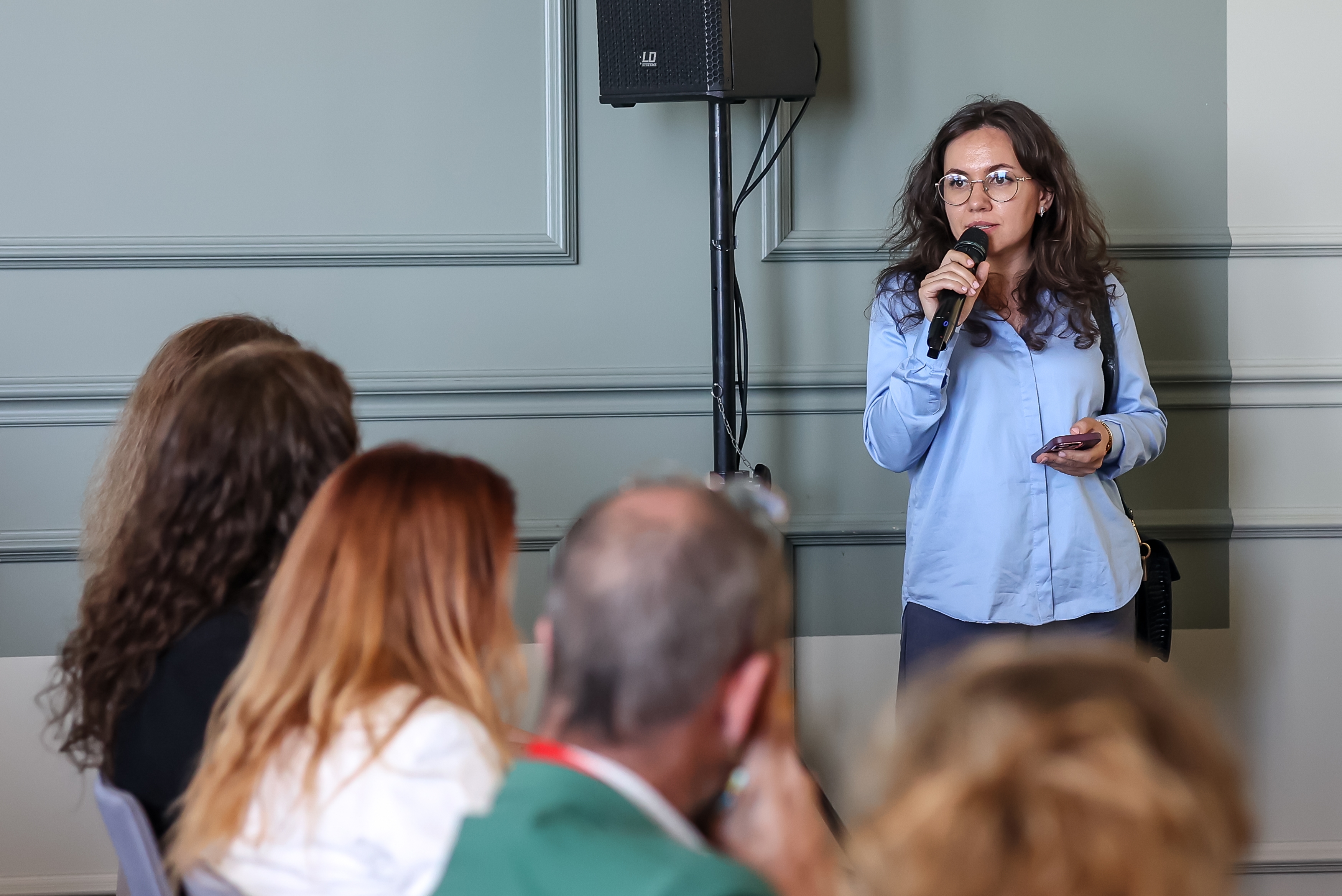
Representatives of the Ukrainian government, European institutions, international organizations, local governments, civil society, the business and expert communities took part in the discussion.
The official side event was organized by Right to Protection, Caritas Ukraine, Mercy Corps, and People in Need, with the support of the Ministry of Economy, Environment and Agriculture of Ukraine, and the Ministry of Social Policy, Family and Unity of Ukraine.
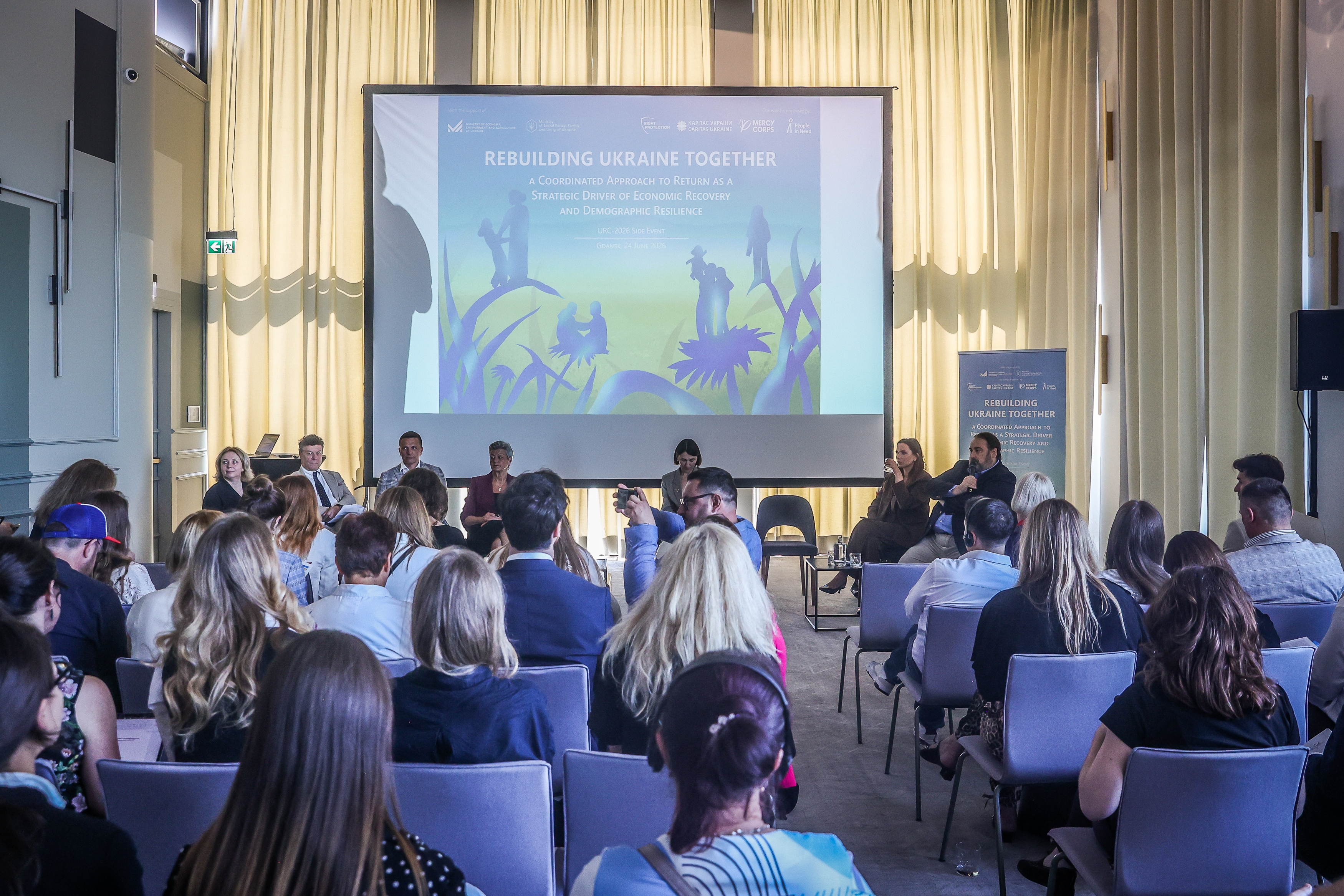
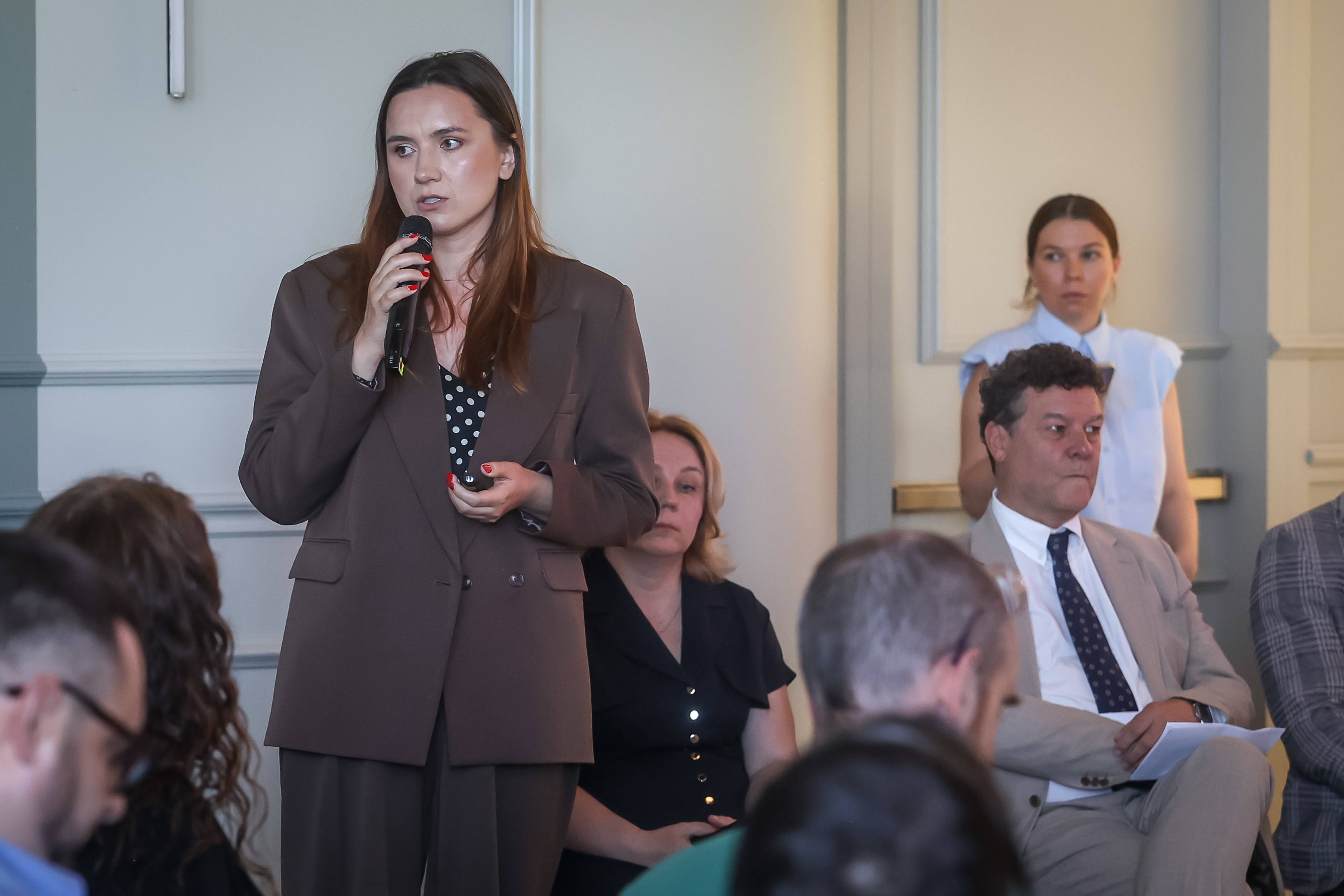
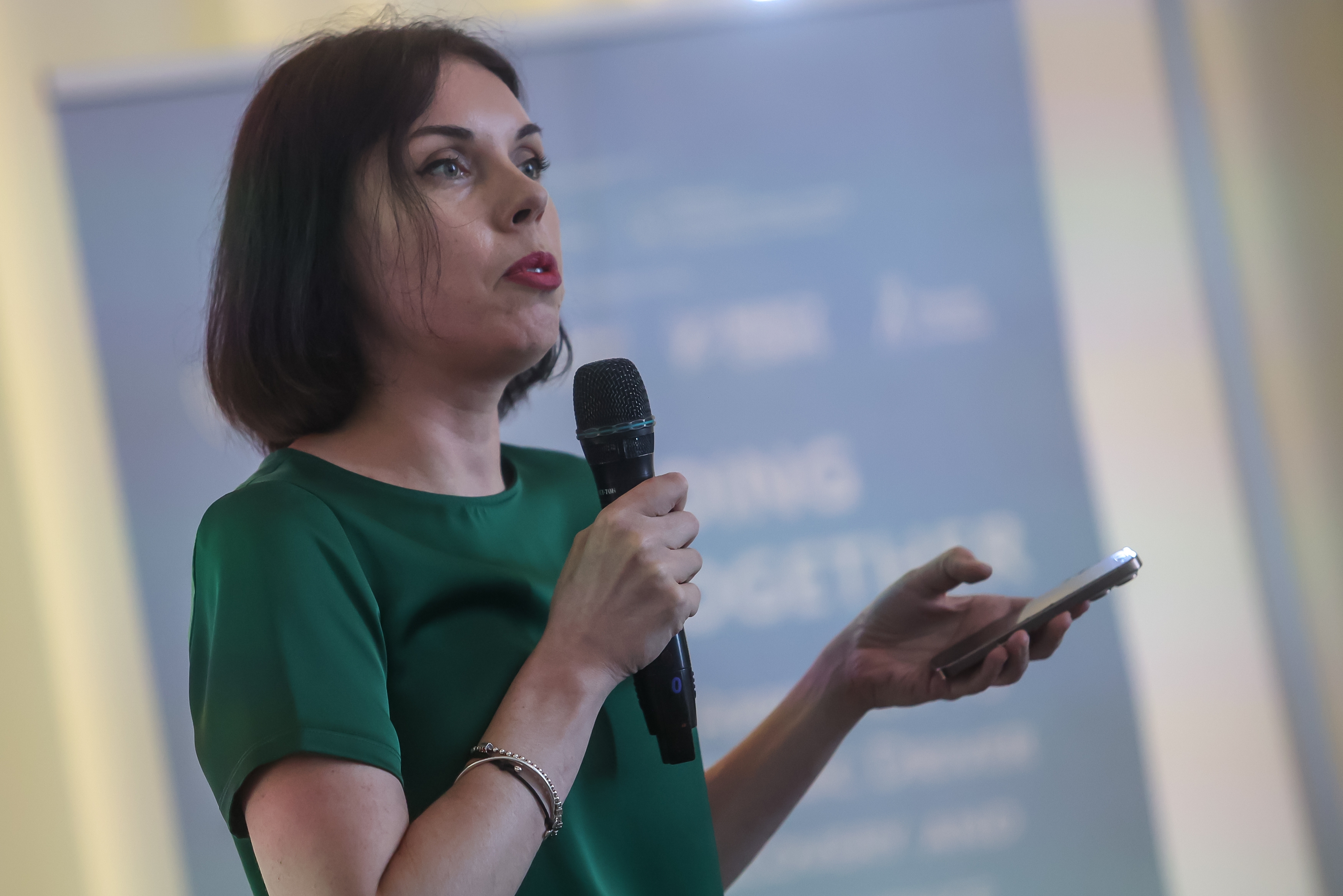
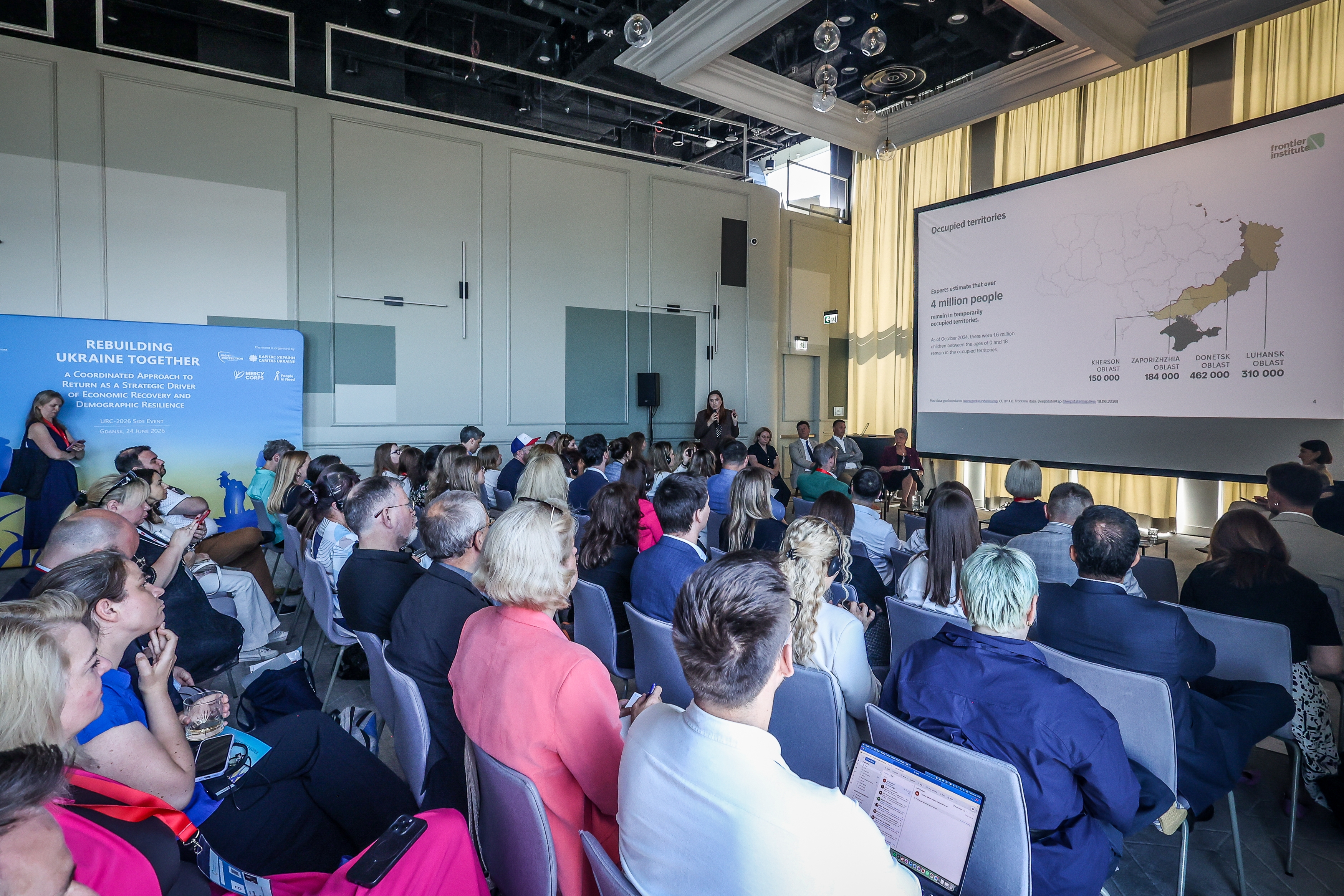
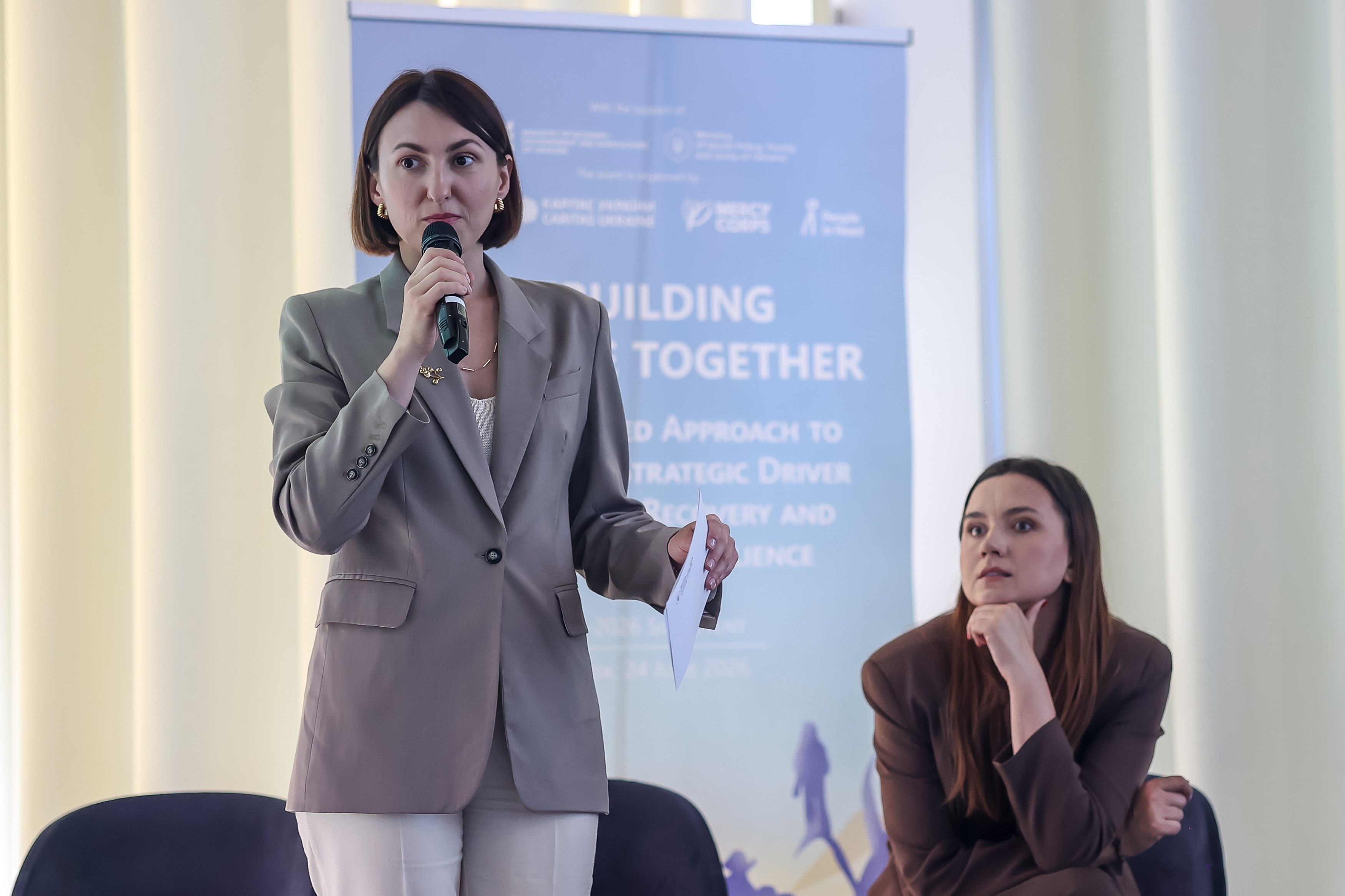
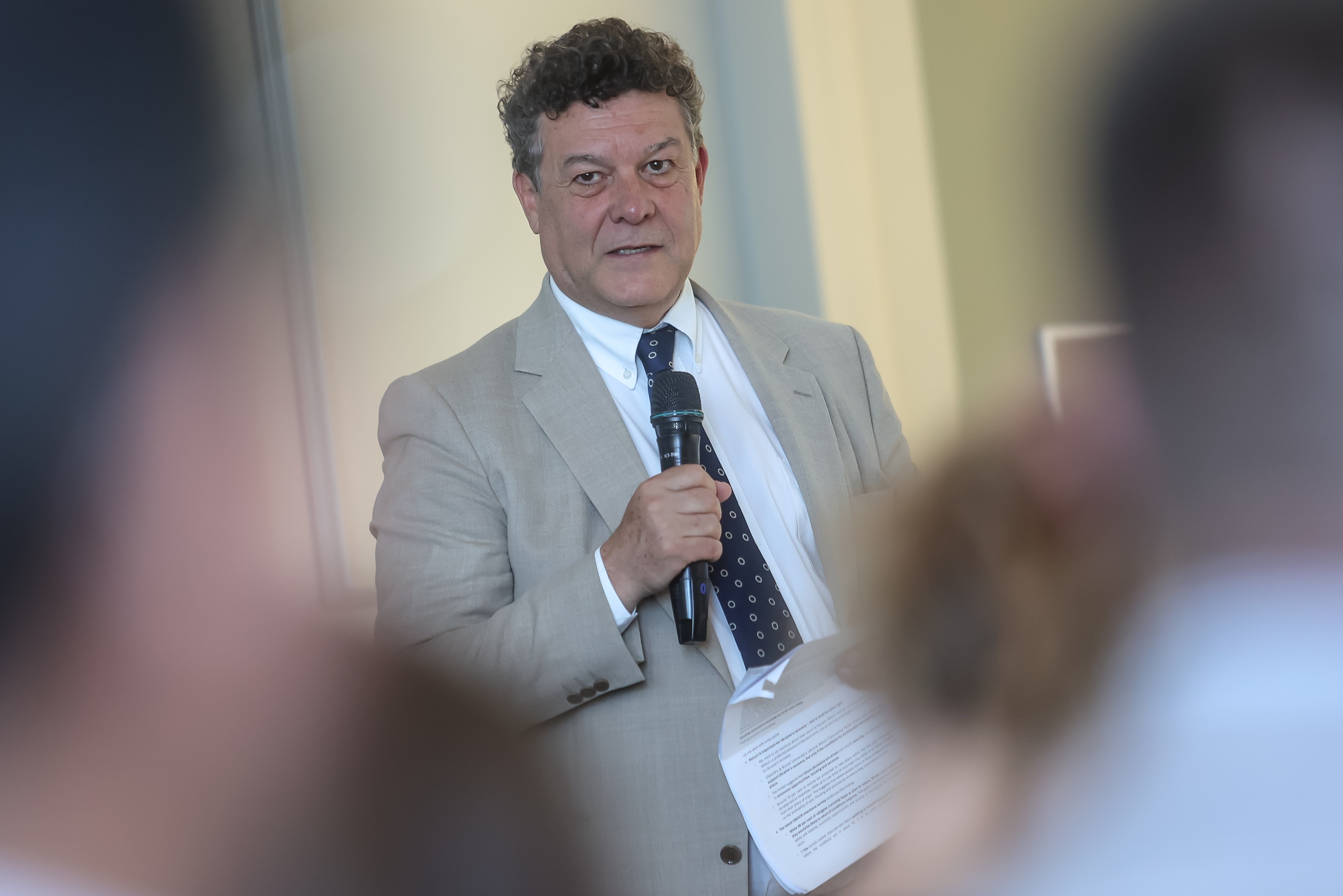
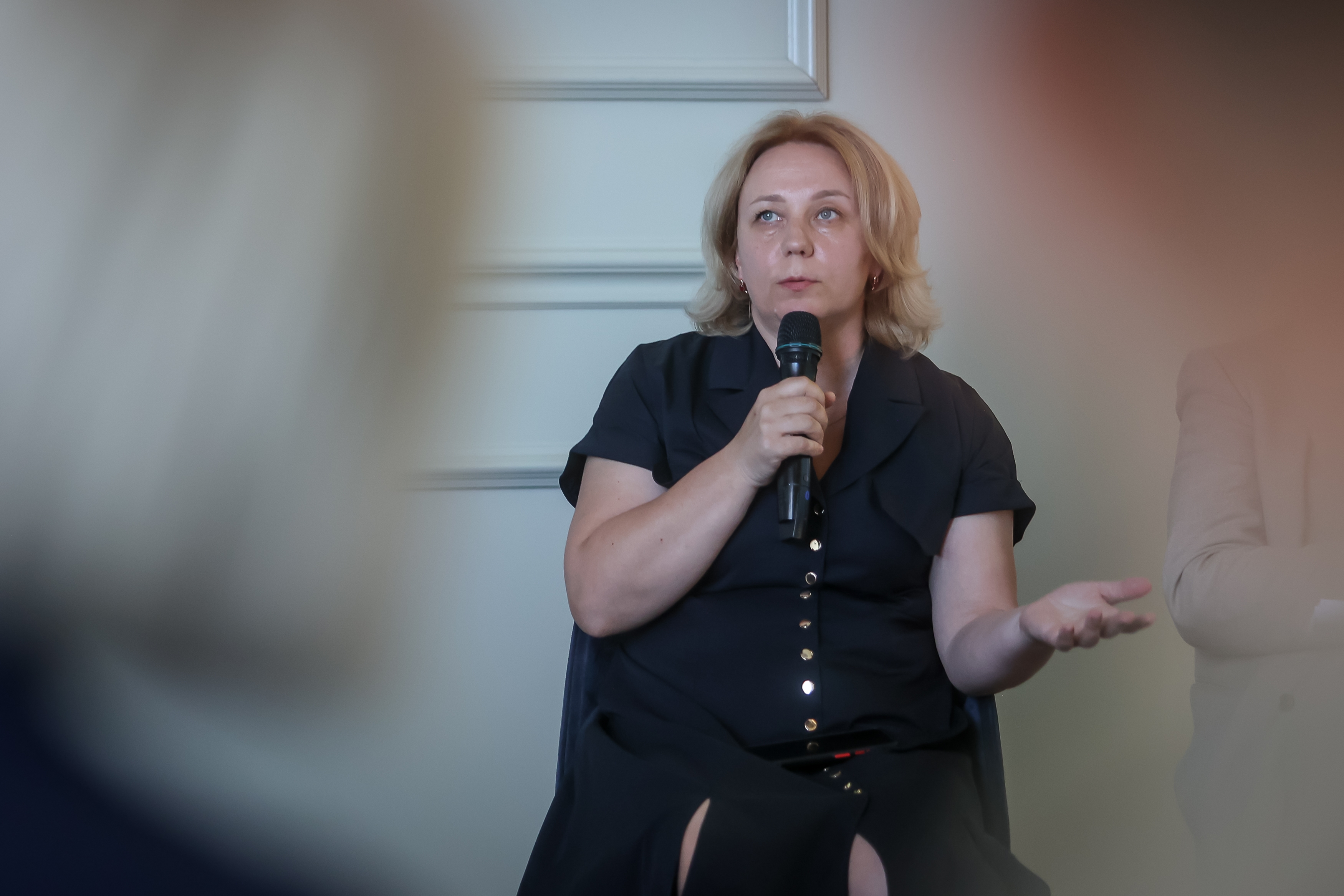
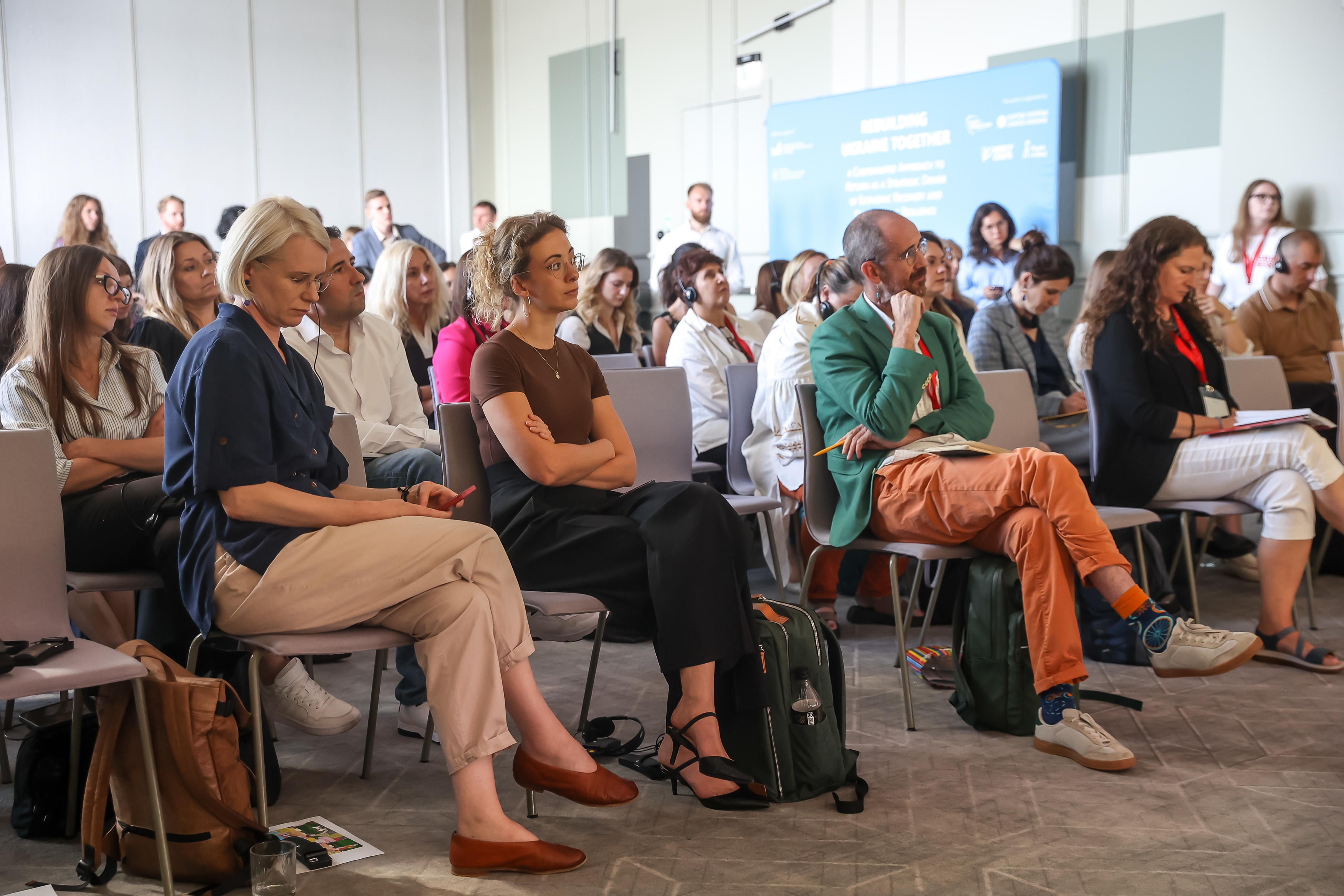
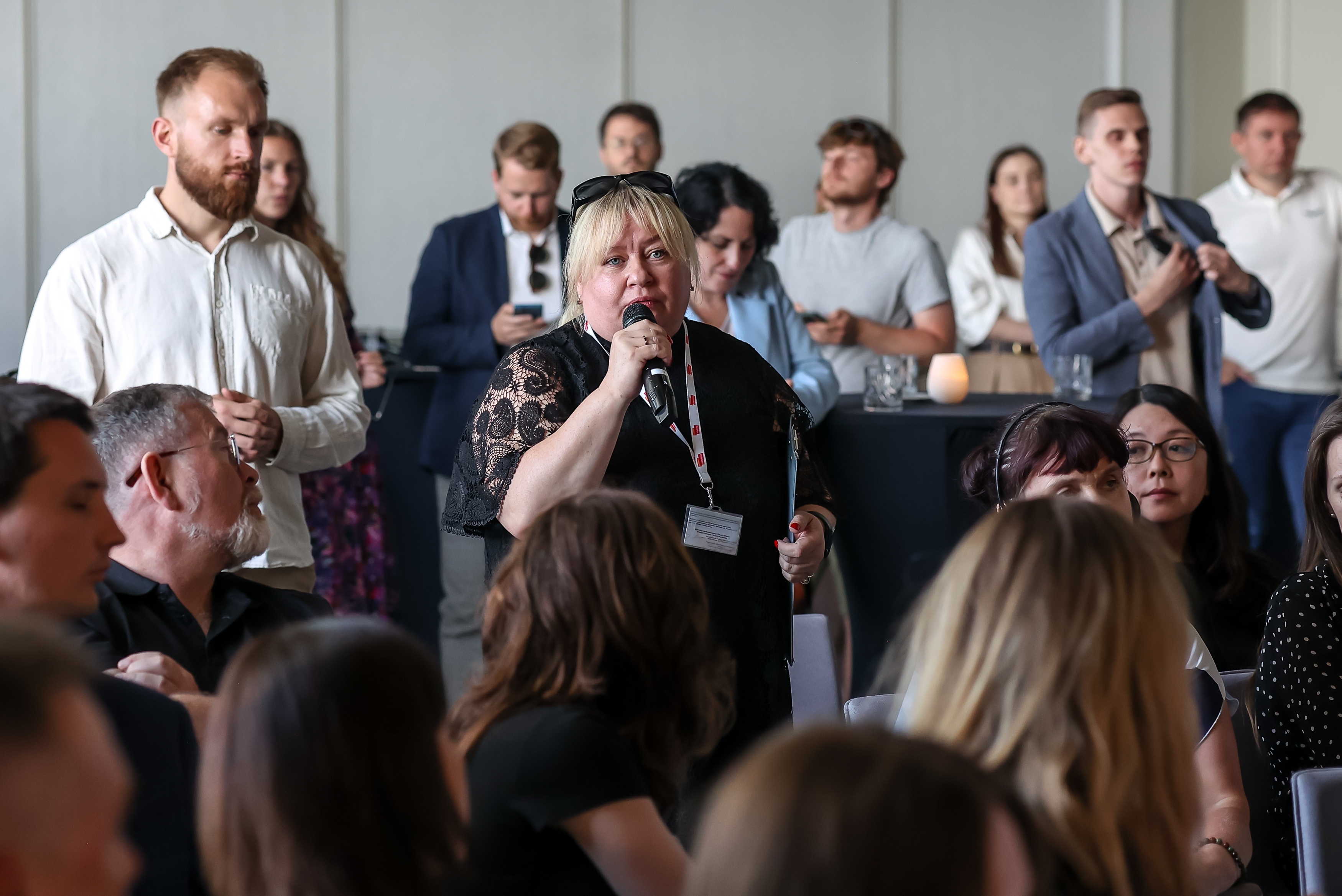
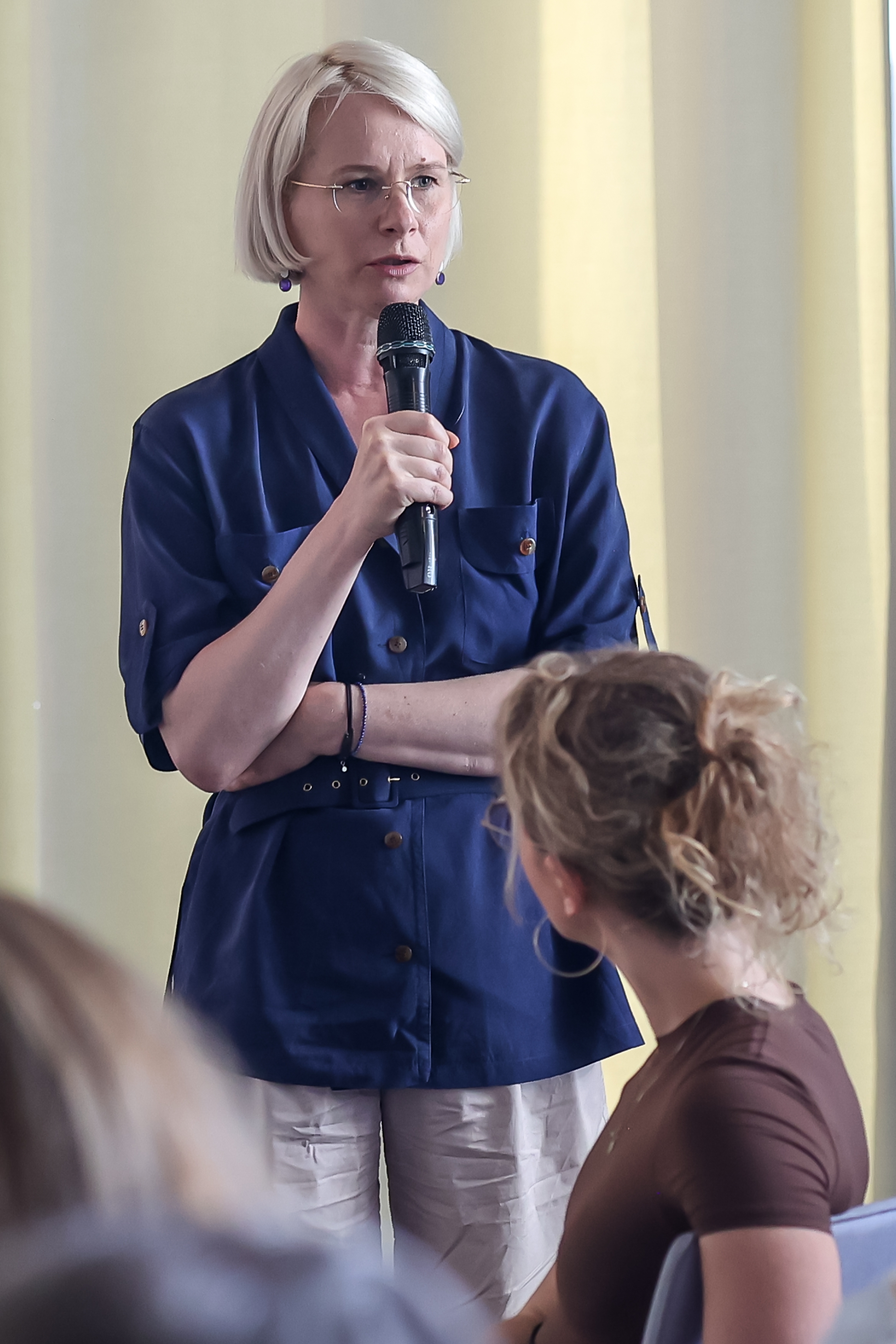
The speakers at the side event, together with the participants, discussed how to integrate policies on the voluntary return and reintegration of Ukrainians into the broader policy of the country’s recovery. The discussion was moderated by Yevhen Hlibovytsky, Director of the Frontier Institute.
At the beginning of the event, Sofiia Kochmar, Head of Demographic Projects at Frontier Institute, presented demographic data relevant to the development of return policies.
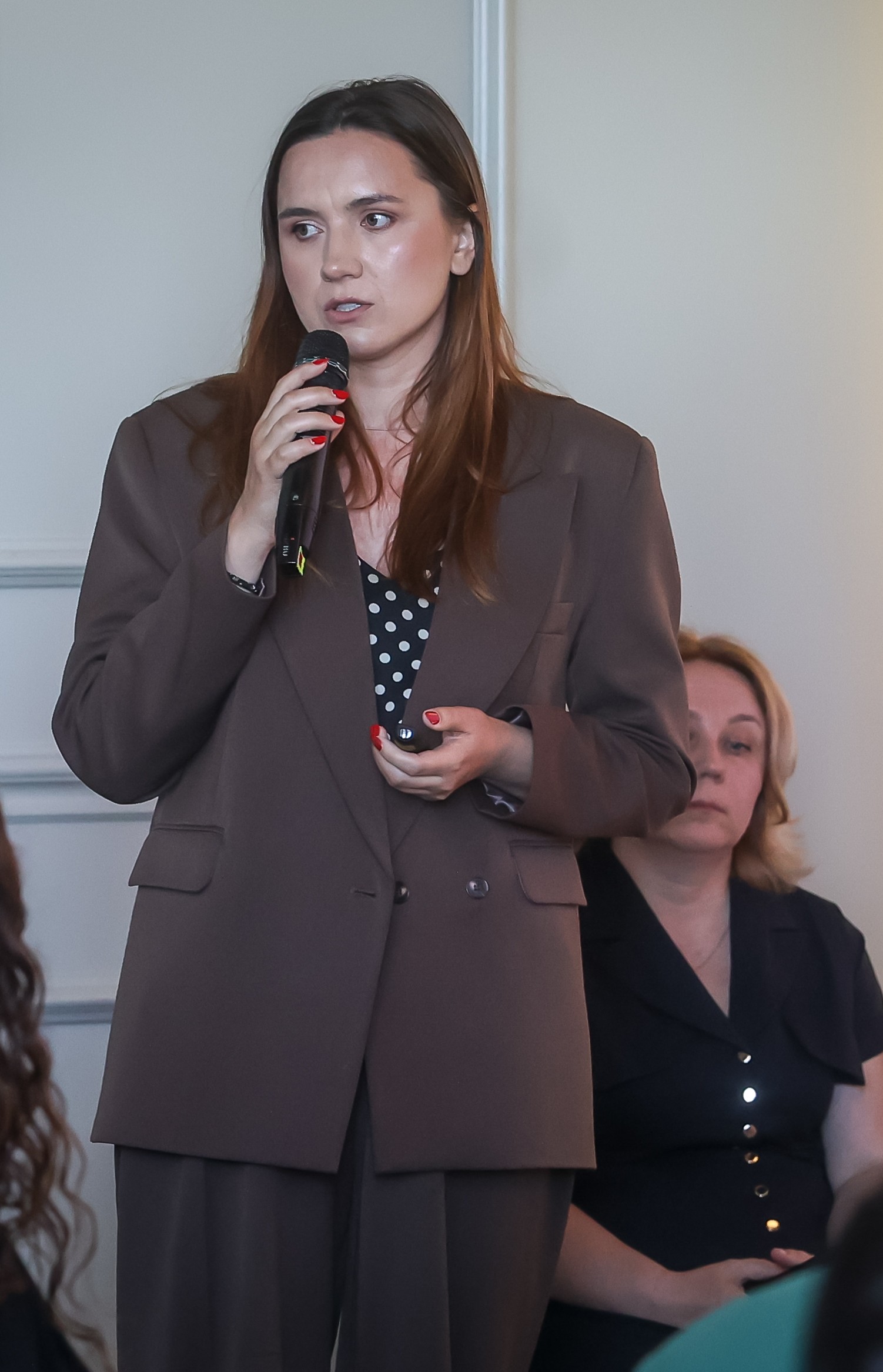
Sofiia Kochmar, Head of Demographic Projects at Frontier Institute:
“We need to work with Ukrainians living abroad through three interconnected policies: an identity policy, a diaspora engagement policy, and a return policy.”
At the same time, research shows that the decision to return depends not only on the security situation. Ukrainians need clear rules and guarantees from the state that these rules will be followed, as well as confidence that the country has a vision for the future — and that they are part of it.
For her part, Dariia Marchak, Deputy Minister of Economy, Environment and Agriculture of Ukraine, emphasized that the government is currently rethinking its approach to return policy, viewing it as a component of economic recovery and human capital development.
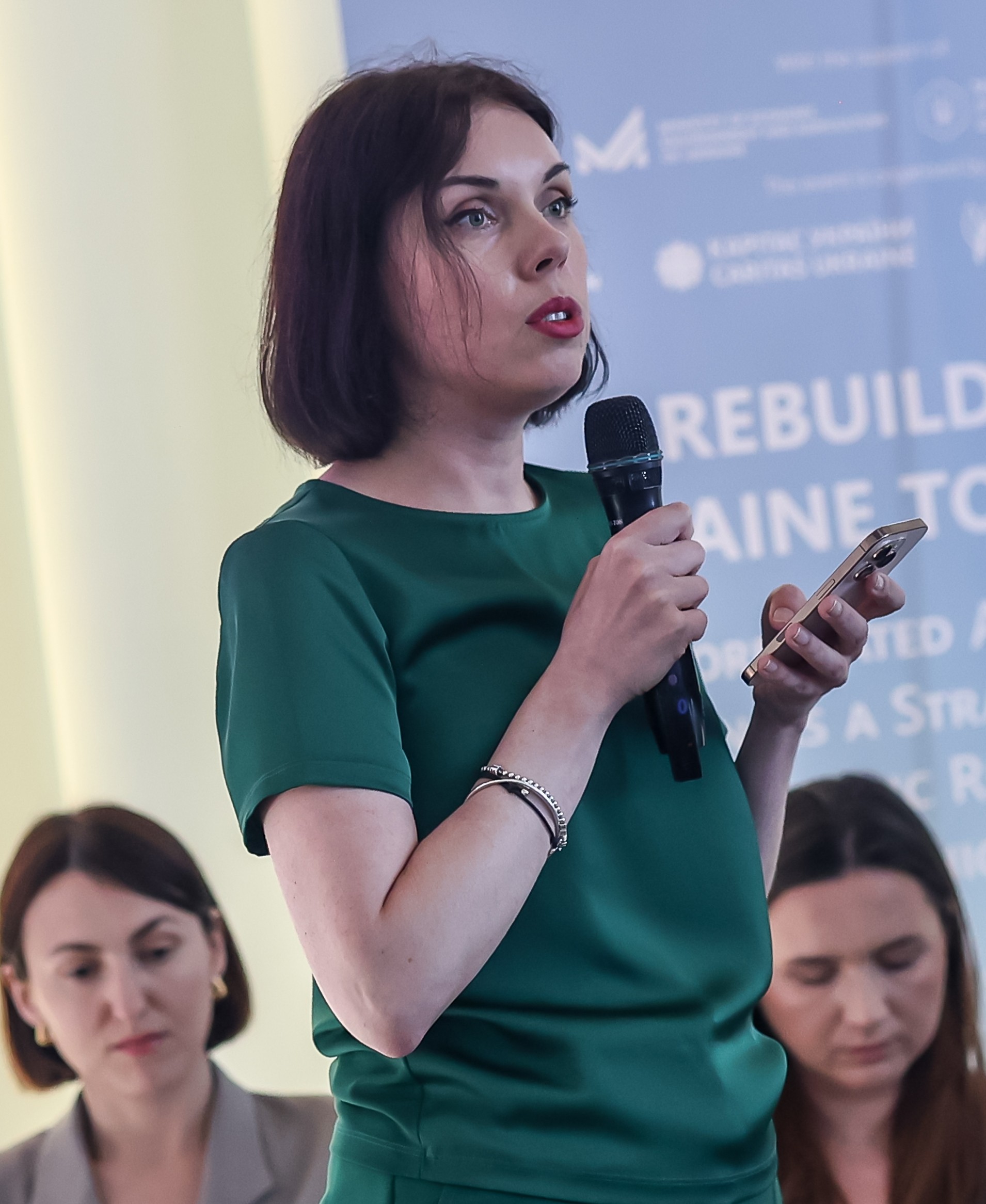
Dariia Marchak, Deputy Minister of Economy, Environment and Agriculture of Ukraine:
“Everything we do as a nation, everything we’re discussing today — every policy, every goal, every number — matters only if it changes one thing: whether people can envision their future and their children’s future at home, in Ukraine. This depends on very specific conditions — access to jobs, opportunities for economic integration, childcare services for families with children, housing, and community-level support. Returning is not just a matter of demographic projections or migration. Returning is a matter of choice.”
While discussing the conditions for the return of Ukrainians, the participants in the discussion noted that people will compare living conditions in Ukraine not with what they were before the full-scale invasion, but with the level of security and quality of life they currently enjoy in EU countries.
Ilona Havronska, Deputy Minister of Social Policy, Family and Unity of Ukraine for European Integration, noted that for many Ukrainians, the journey home will not necessarily mean returning to their previous place of residence:
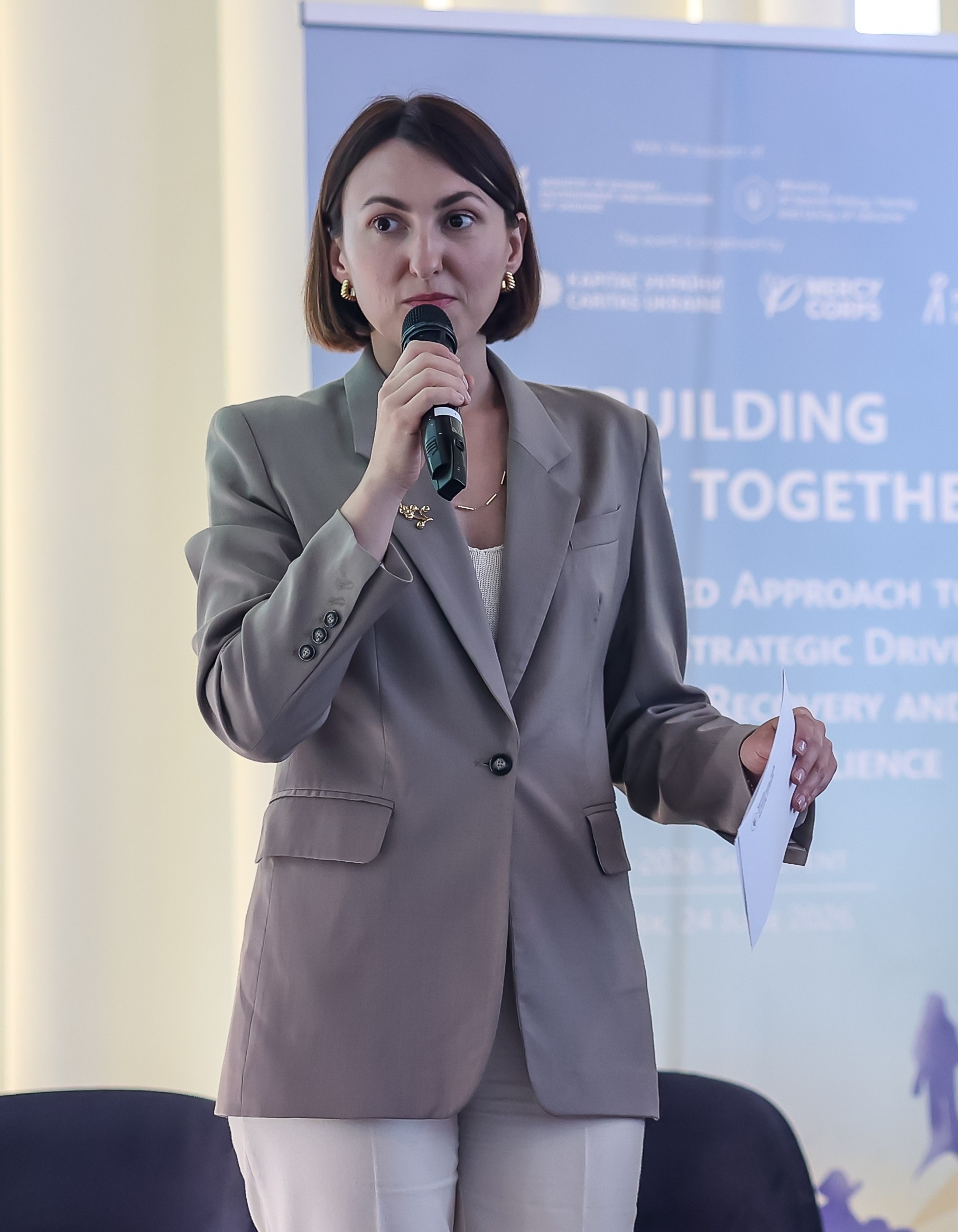
“For many people, returning will not mean going back to their homes, but rather finding a new place to live in Ukraine. That is why we are building our return policy around communities’ capacity to welcome people and support them wherever they decide to start a new chapter in their lives.”
International partners have also joined the discussion on shaping voluntary return policies.
Ylva Johansson, EU Special Envoy for Ukrainians, called for Ukrainians in EU countries to be viewed as a driving force behind Ukraine’s future recovery.
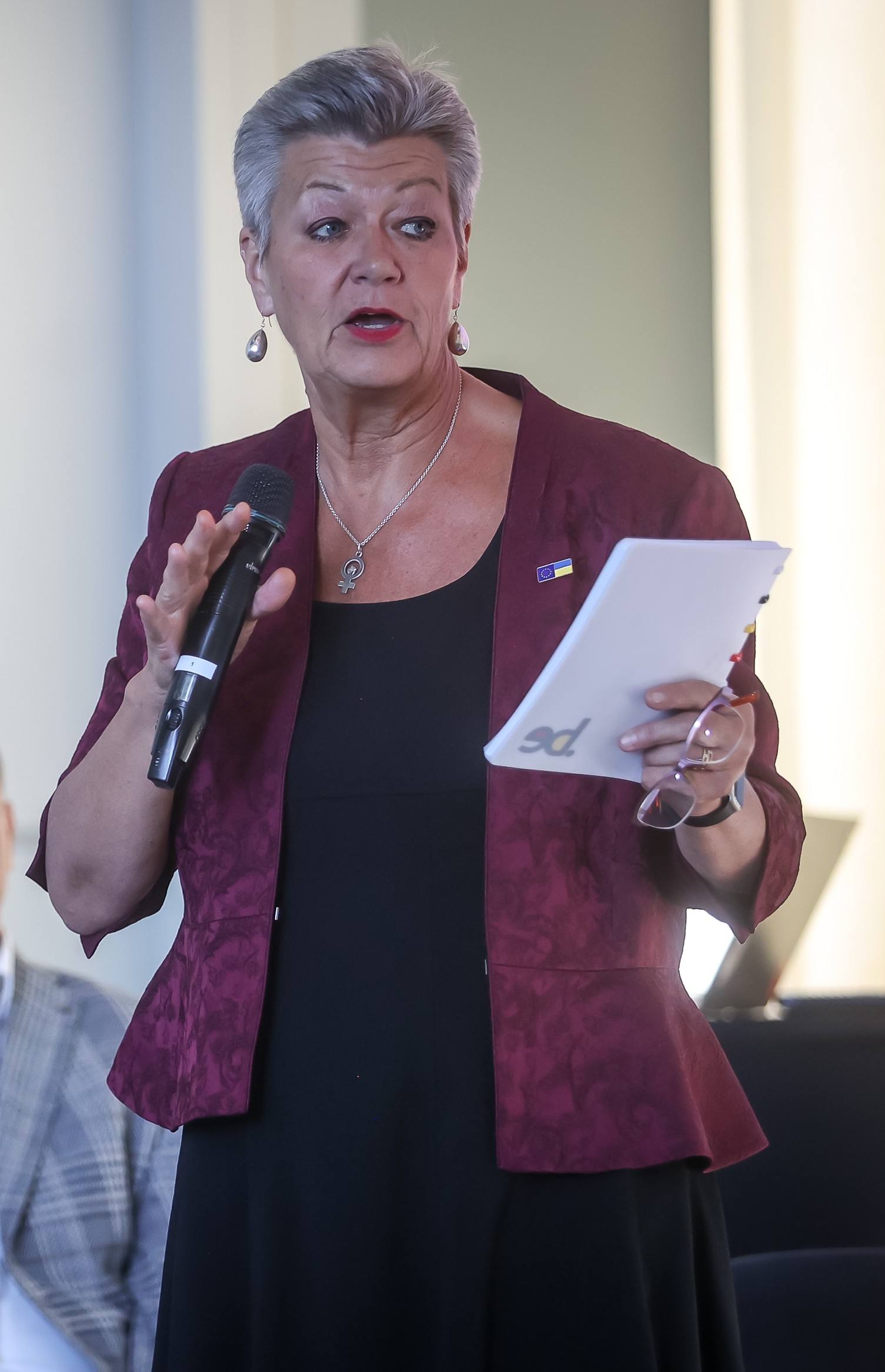
Ylva Johansson, EU Special Envoy for Ukrainians:
“Most Ukrainians in the EU are not simply people in need of protection. They are people with abilities, strength, dreams, ambitions, skills, and enormous potential that they want to use.”
She specifically highlighted the willingness of Ukrainians to participate in the country’s reconstruction:
“Nearly 100% of Ukrainians want to contribute to Ukraine's recovery and be part of its future. The key question is how to create various opportunities for this”.
Philippe Leclerc, Regional Director for Europe, UNHCR, also emphasized that, despite the ongoing war, Ukrainian refugees need a stable legal status, and return policies must be based on the principles of voluntariness, safety, and sustainability. At the same time, he said, Ukrainians can contribute to the country’s recovery regardless of whether they are in Ukraine or abroad.
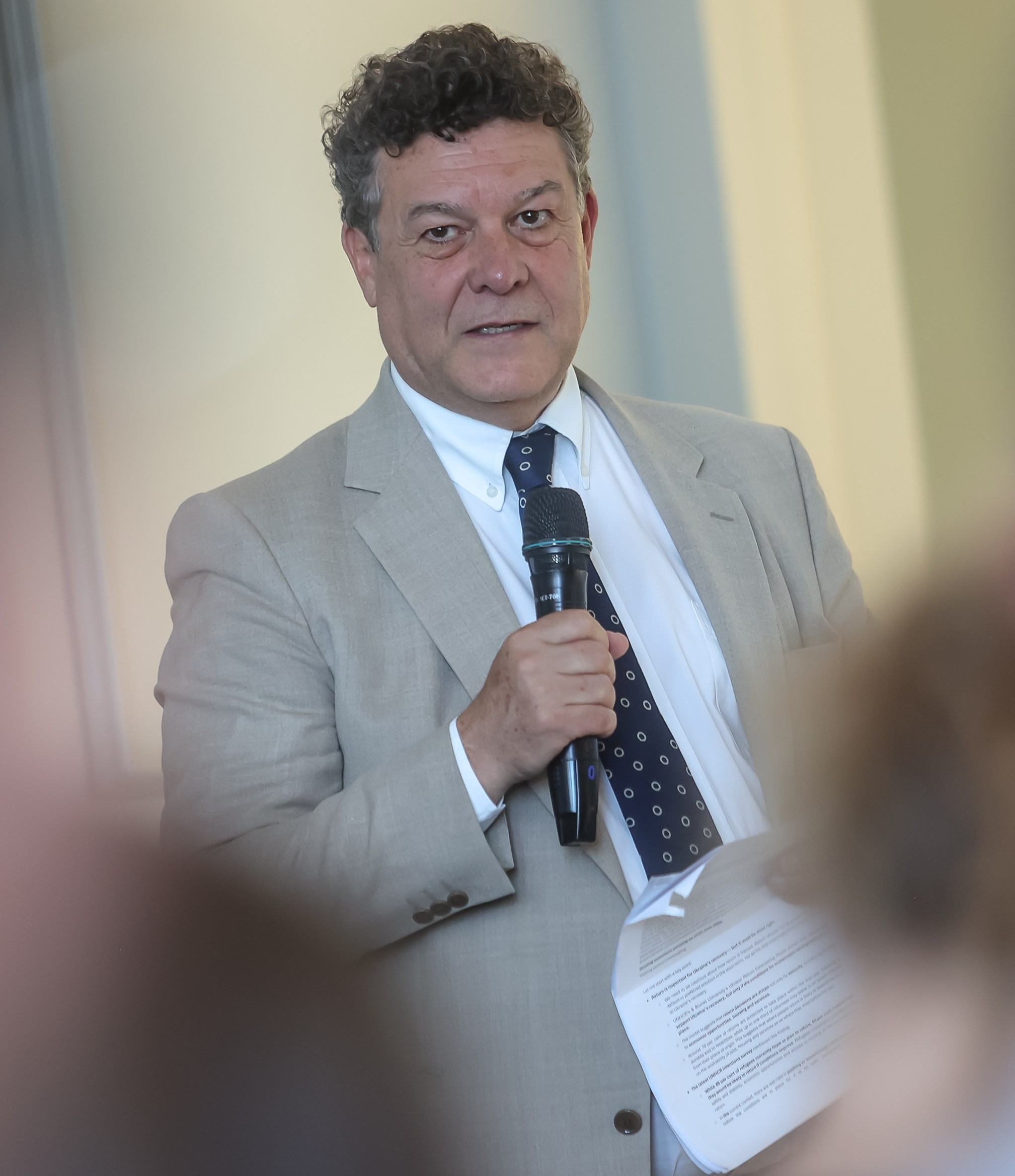
Philippe Leclerc, Regional Director for Europe, UNHCR:
“As the war in Ukraine continues, displacement remains significant in the region. Refugees need a stable legal status that will allow them to continue their education, work, and plan for their futures. Return to Ukraine is the aspiration of most Ukrainian refugees, and it must be voluntary, safe, and sustainable. All Ukrainians can contribute to the recovery, in Ukraine and outside. Let’s all contribute to it.”
Dennis Bazilevych, Head of GR, NOVA, took part in the discussion. He added that in recent years, the very approach to Ukraine’s role in the world has changed: from a request for aid to a conversation about resilience, partnership, and the value of Ukrainians’ experience. From his perspective, the main issue today is not only the return of people but also harnessing the potential of millions of Ukrainians living abroad.
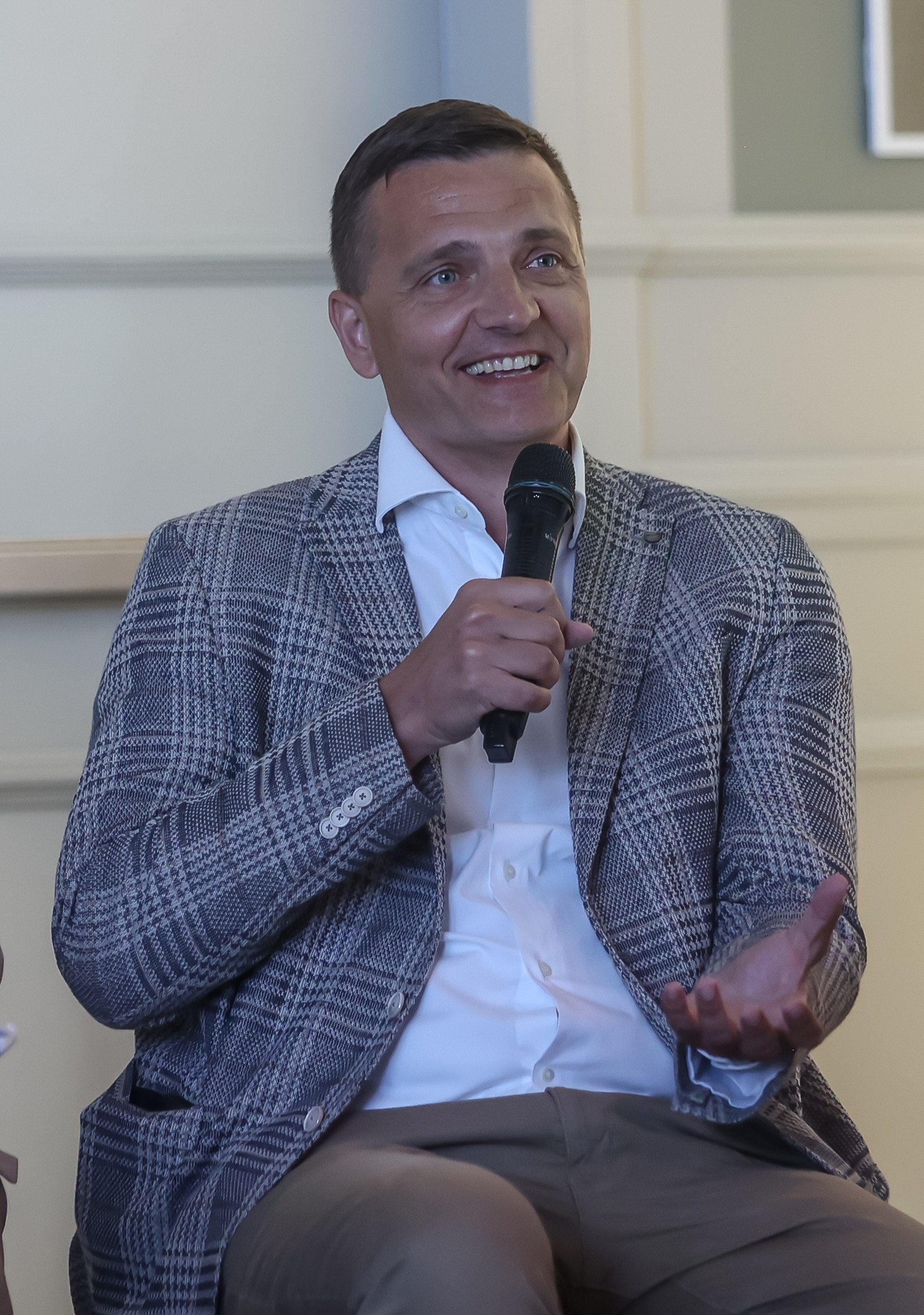
Dennis Bazilevych, Head of GR, NOVA:
“Millions of Ukrainians are already living the European experience. They study, work, build businesses, and understand how Europe functions. This is an enormous resource that Ukraine should use for its future development.”
Summing up the discussion, Nadiya Kovalchuk, Programme Director at Right to Protection, emphasized that the development of return policies must be based on data regarding people’s needs and hromadas’ capacities.
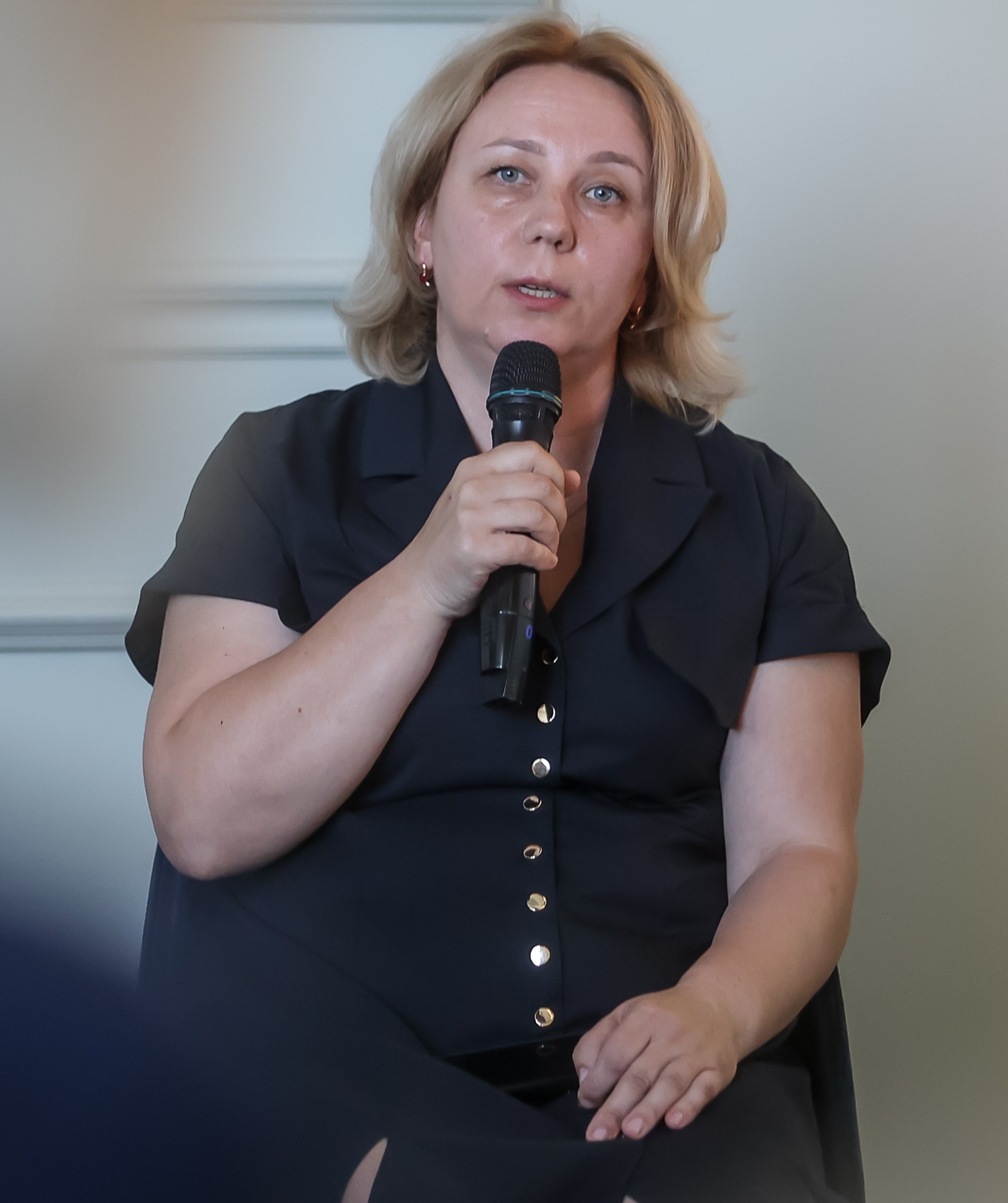
Nadiya Kovalchuk, Programme Director at Right to Protection:
“People’s lives do not fit into separate categories. We should not create separate policies for returnees, internally displaced persons, or caregivers. Policies must be built around people’s needs.”
She also called on international partners and the government to invest in hromada development as the foundation for successful reintegration:
“My message is simple: let’s invest in hromadas. By strengthening their capacity and providing them with the necessary expert support, we can ensure that returning home isn’t just about arriving but becomes the start of successful integration”.

The event organizers — Right to Protection, Caritas Ukraine, Mercy Corps, and People in Need — invited participants to join their Recovery Starts with People joint statement, in which they called for integrating a voluntary return policy into Ukraine’s recovery strategy and for viewing human capital as a key resource for the country’s development.