

The aim of the event was to share international experience in defining and measuring veterans’ reintegration.
-
Unfortunately, nothing was found for your request, you can search for another keyword, or contact us with your question through the feedback form
Search results (25)
All results (25)
International Experience of Veterans’ Reintegration: Key Takeaways
October 7, 2026
In September 2026, Right to Protection organised an international online event on the topic: Can Veterans’ Reintegration Be Measured: International Experience. It consisted of two parts:
- Veterans’ Return to Civilian Life during War;
- Different Measures of Veterans’ Reintegration.
The panelists were representatives of the United Nations and experts from the United Kingdom, the United States, Norway, and Sweden.
Based on the results of the discussions, it was possible to single out the key takeaways of international experience, which can be useful for understanding and developing approaches to the reintegration of veterans in Ukraine:
The Definition of Reintegration Depends on the Context
In 2005, the UN Secretary-General defined veterans’ reintegration as a process of granting civilian status to ex-combatants and ensuring their sustainable employment and income. At the same time, there is no normative definition of this concept, and approaches to reintegration have changed significantly since then.
In some countries, the term “reintegration” has been rejected because veterans did not consider it to reflect their experience. A similar discussion is ongoing in Ukraine. During the Festival of Ideas organised by the East SOS Charitable Foundation, Ukrainian women experts instead suggested using the terms “returning to civilian life” or “recovery after military service”. At the same time, in communication with international stakeholders, it is advisable to use the widely recognised term “reintegration”.
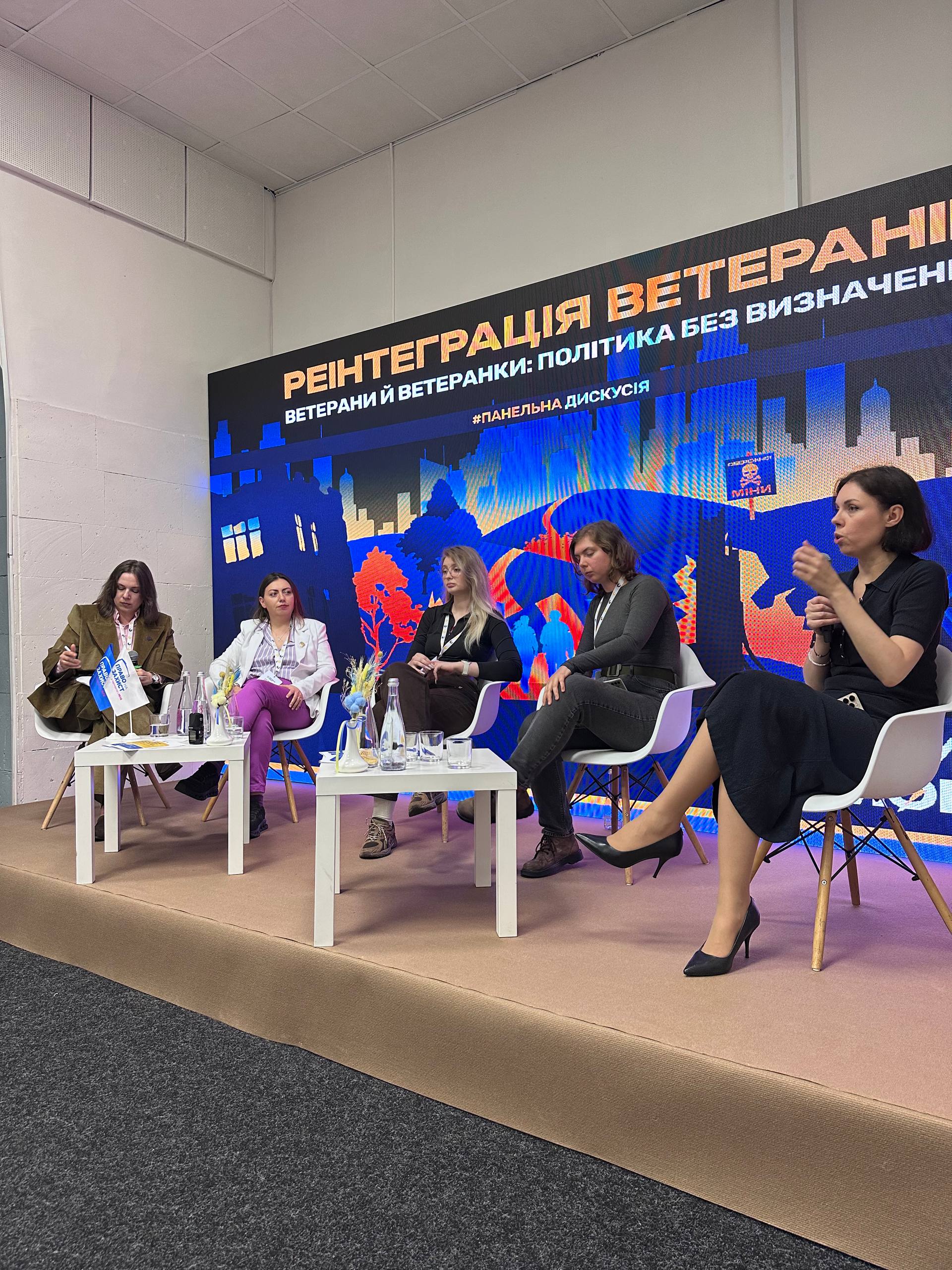
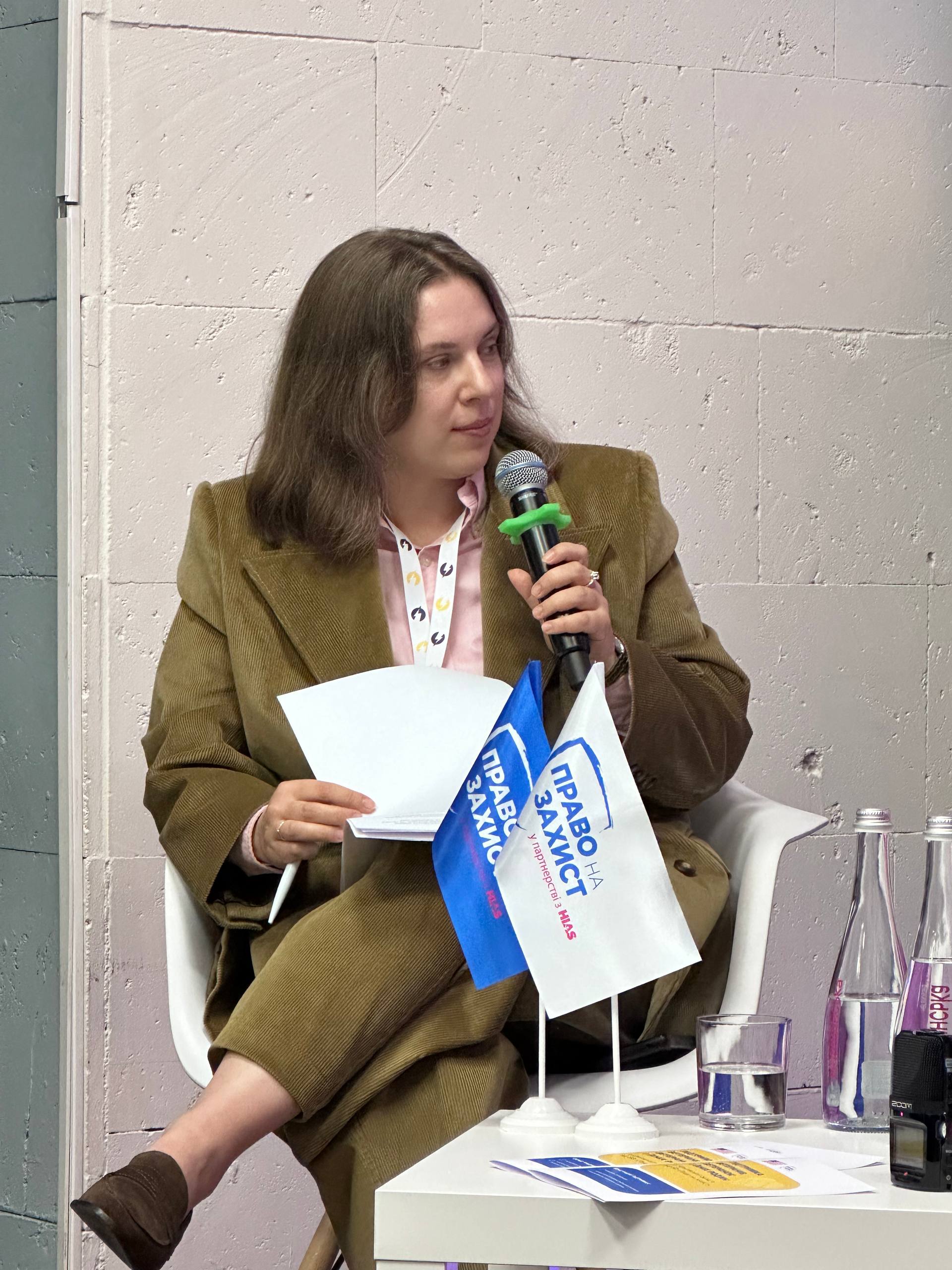
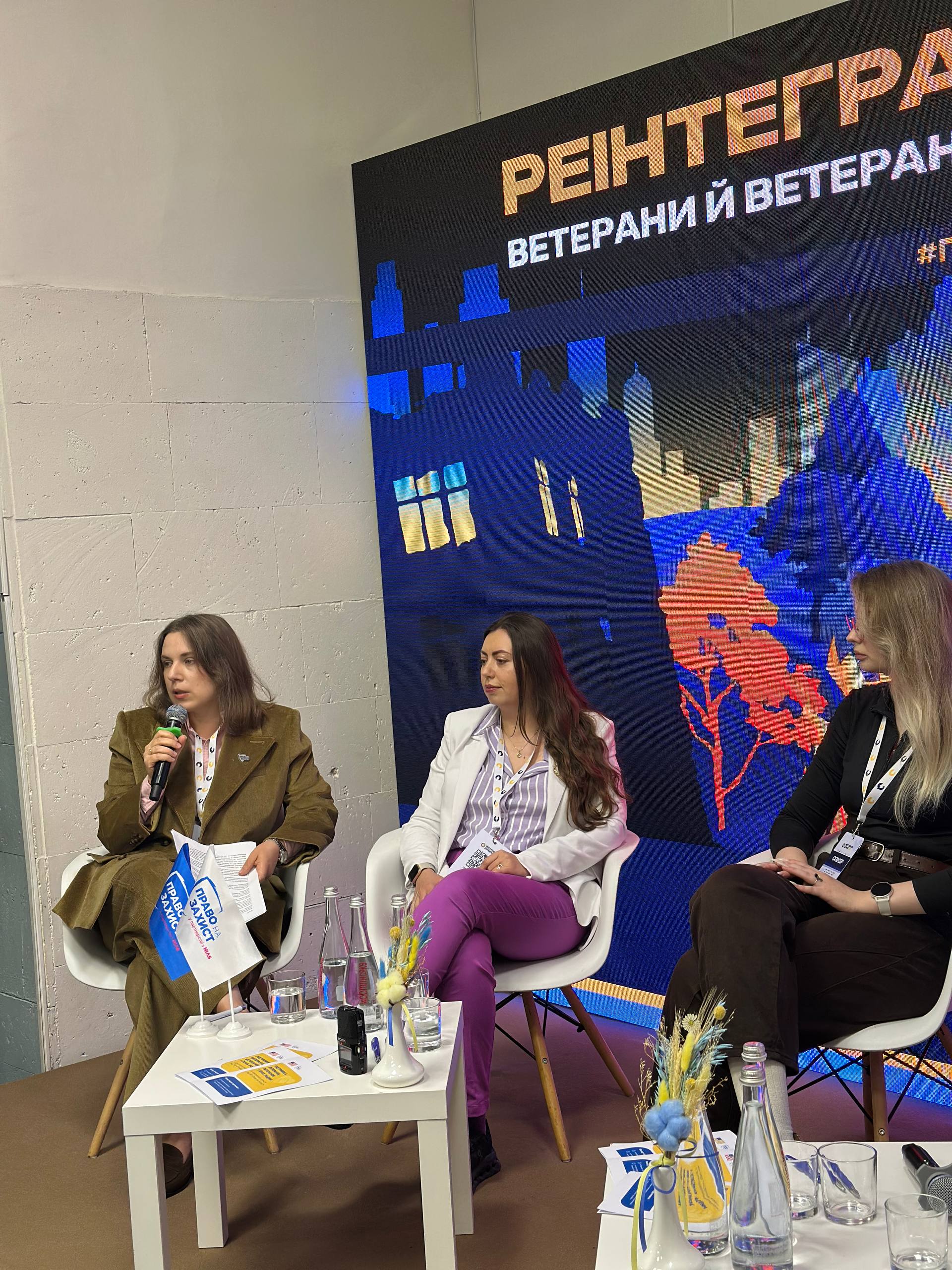
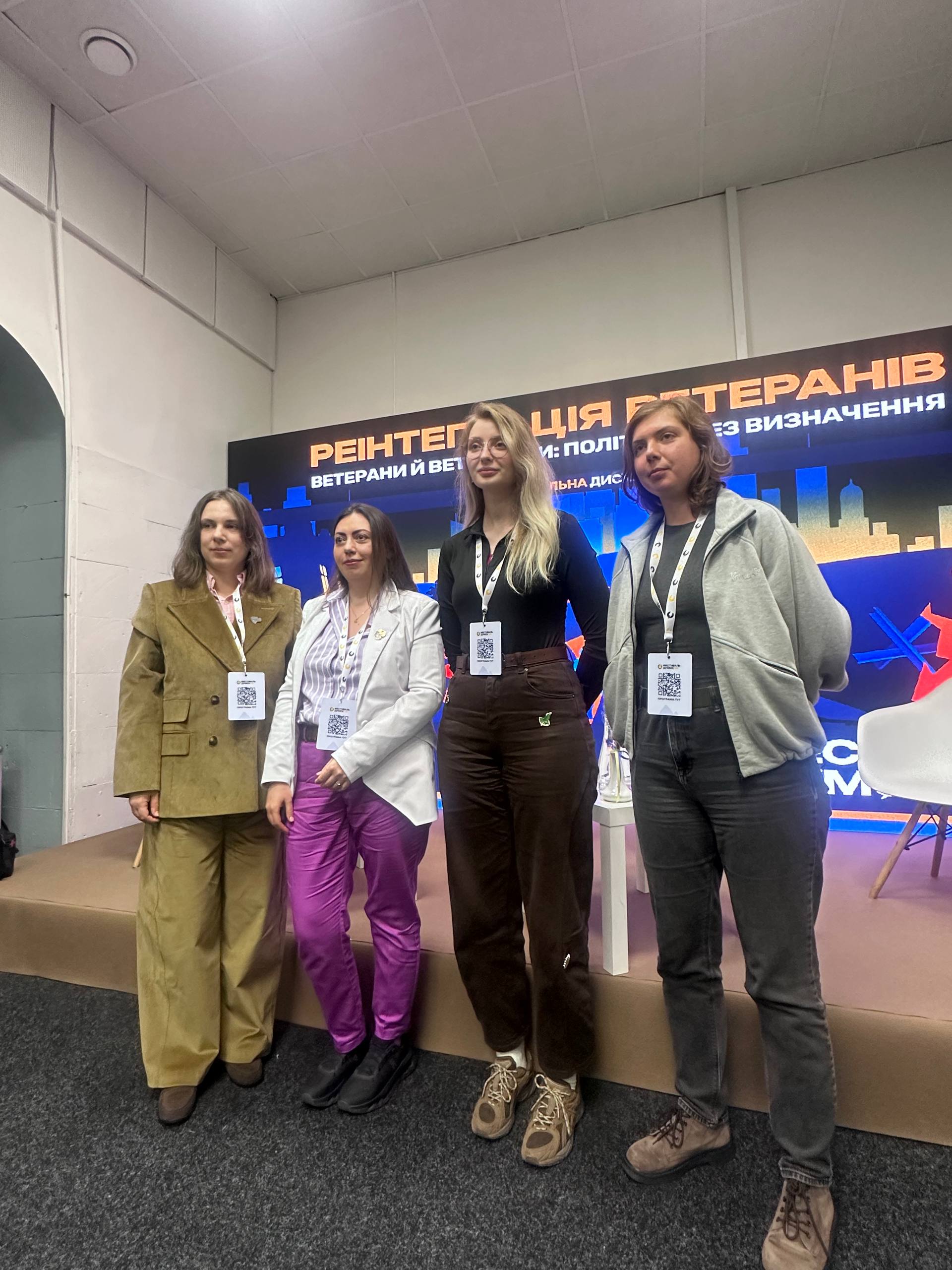
This issue has not only theoretical significance, because the goals, tasks and activities of state organs, public organisations, and other participants of the process depend on the definition of the concept. Currently, there is no such definition in Ukrainian legislation.
Veterans’ Reintegration Can Take Place during War
Traditionally, in the international approach, veterans’ reintegration, together with disarmament and demobilisation, was considered part of peacebuilding. However, from the early 2000s, this approach began to be reconsidered, and by the late 2010s, it was recognised that reintegration can begin during an armed conflict.
This approach requires consideration of:
- state’s capacities;
- specific context;
- veterans’ needs.
It is Necessary to Distinguish between the Veterans’ Needs and the Benefits Provided to Them
Effective veterans’ policy must be based primarily on data on veterans’ actual needs. It is their analysis that makes it possible to direct support towards reintegration rather than not just the provision of benefits. Benefits that do not address people’s needs may require significant resource without producing the expected results. At the same time, this does not mean rejecting benefits and guarantees: they can provide additional support once key needs have been met.
Veterans’ Reintegration Is a Two-Way Process
Responsibility for successful reintegration cannot be placed solely on veterans. This responsibility must also be shared by:
- government authorities, including local self-government bodies;
- employers;
- veterans’ immediate social circles, including their families;
- society as a whole.
In this case, it is again not only about benefits but also, for example, about:
- involving veterans in decision-making on matters including approaches to providing them with support;
- employers’ willingness to learn about veterans’ needs and train labor collectives about the veterans’ needs concerning returning to work;
- understanding that families, as a key source of support for veterans recovering after military service, also must receive support.
Employment Is Not the Only Indicator of Successful Veterans’ Reintegration
Veterans’ reintegration should not be assessed solely on the basis of employment or self-employment. The following are also important:
- the stability and formality of employment;
- access to professional training and financial instruments;
- economic connections;
- the ability to maintain financial stability when family composition changes.
In addition, economic reintegration depends on a person’s social connections within the hromada and their psychological readiness to return to work. Therefore, the success of reintegration should be assessed comprehensively.
Gender Should Be a Cross-Sectoral Issue
The gender aspect should be considered in the social, economic, and other areas of reintegration.
For female veterans, expectations that they will return to traditional family roles may complicate their adaptation, while gender-neutral support programmes may fail to consider specific needs, particularly in the area of health. For male veterans, gender stereotypes about the “strong man” may become a barrier to seeking psychological or other support.
Therefore, the gender aspect should be mainstreamed throughout the development of support programmes for veterans.
A general brief conclusion from the two events is that although measuring veterans’ reintegration is difficult, it is the only way to determine whether it has been successful. At the center of this process should be the veterans’ needs, rather than assumptions about the benefits and guarantees they need.