
-
Unfortunately, nothing was found for your request, you can search for another keyword, or contact us with your question through the feedback form
Search results (25)
All results (25)

R2P Held a Two-Day Meeting That Brought Together 24 Civil Society Organisations
December 2, 2025
Over two days (27 and 28 November), representatives of 24 civil society and charitable organisations immersed themselves in humanitarian protection through training, lively discussions, the exchange of experiences, and mutual support.
Representatives of organisations that are GIZ partners and participants in the mentoring programme run by Right to Protection attended the event.
The organisations present from the Zaporizka, Khersonska, Dnipropetrovska, Mykolaivska, Odeska, Kyivska, Poltavska, Lvivska, and Ivano-Frankivska oblasts will continue to implement humanitarian response projects in their regions.
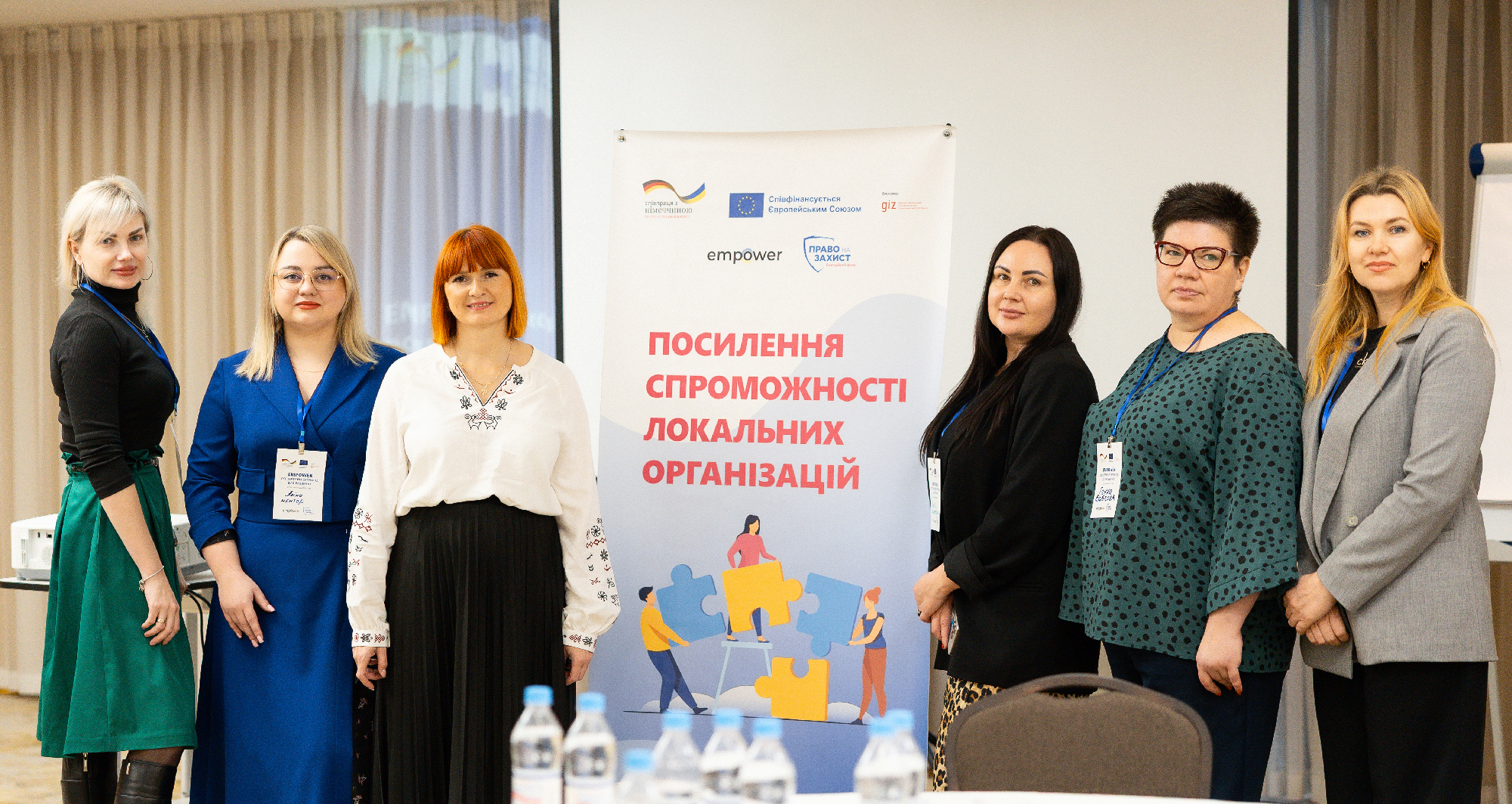
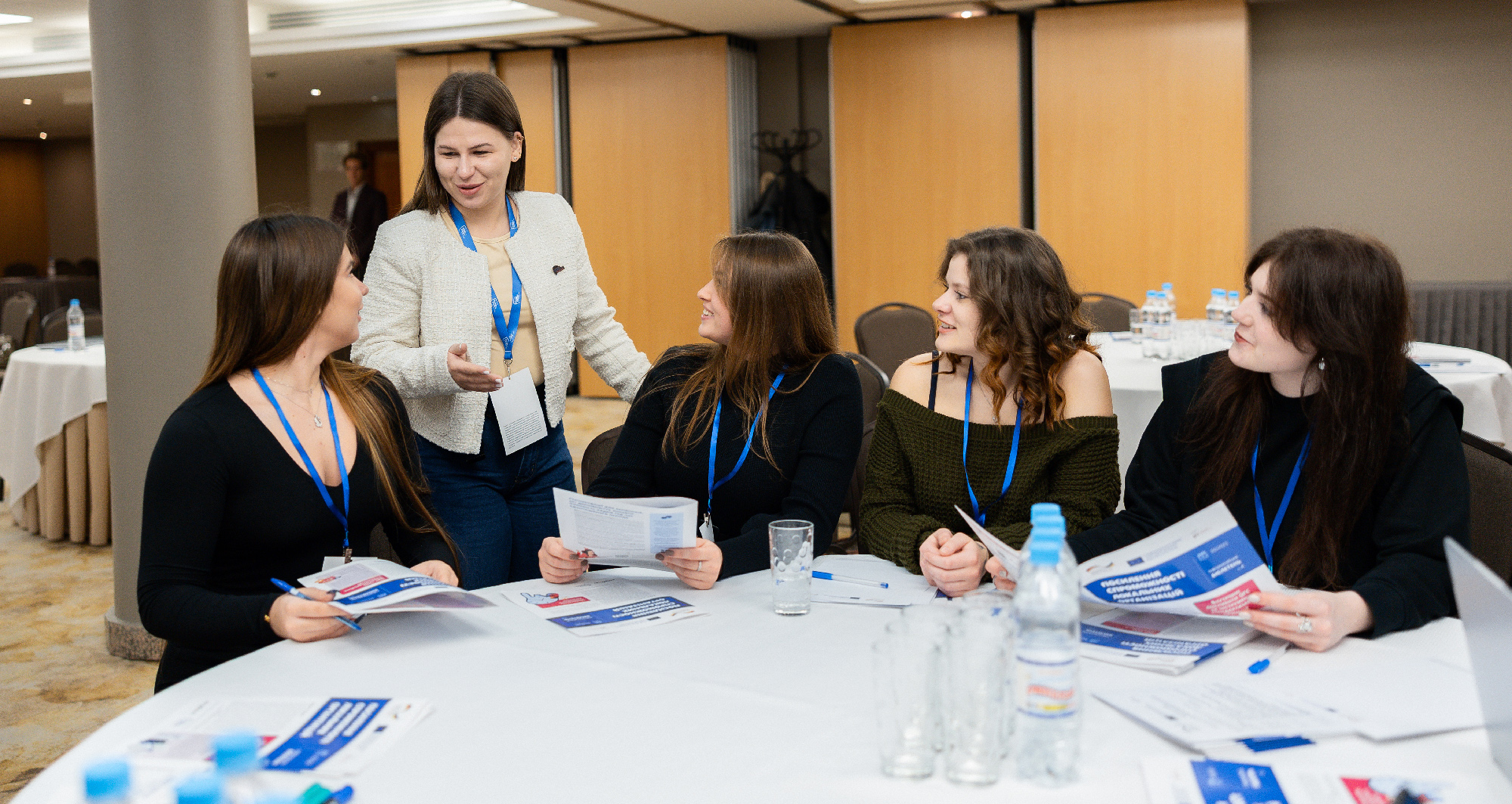
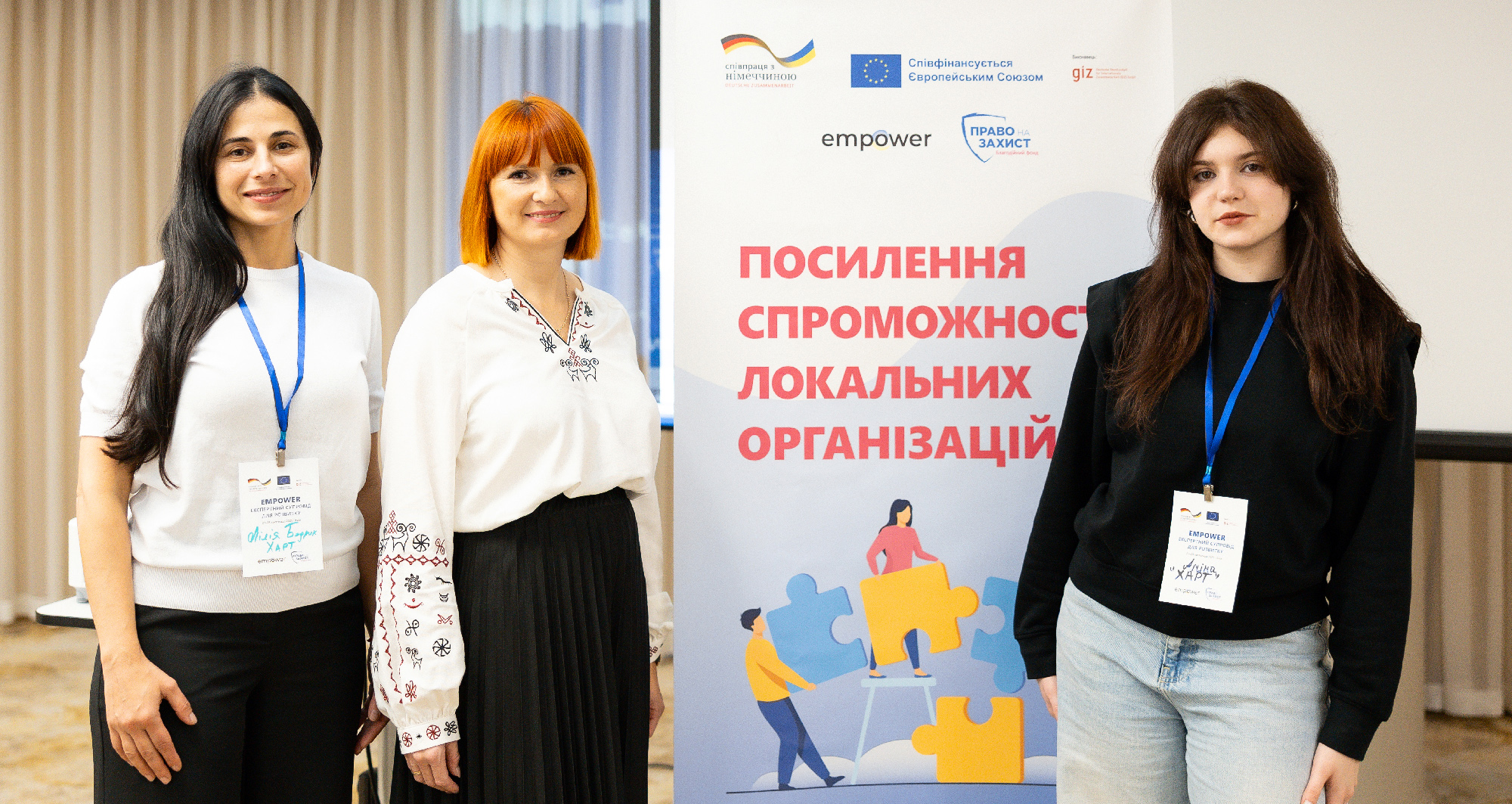
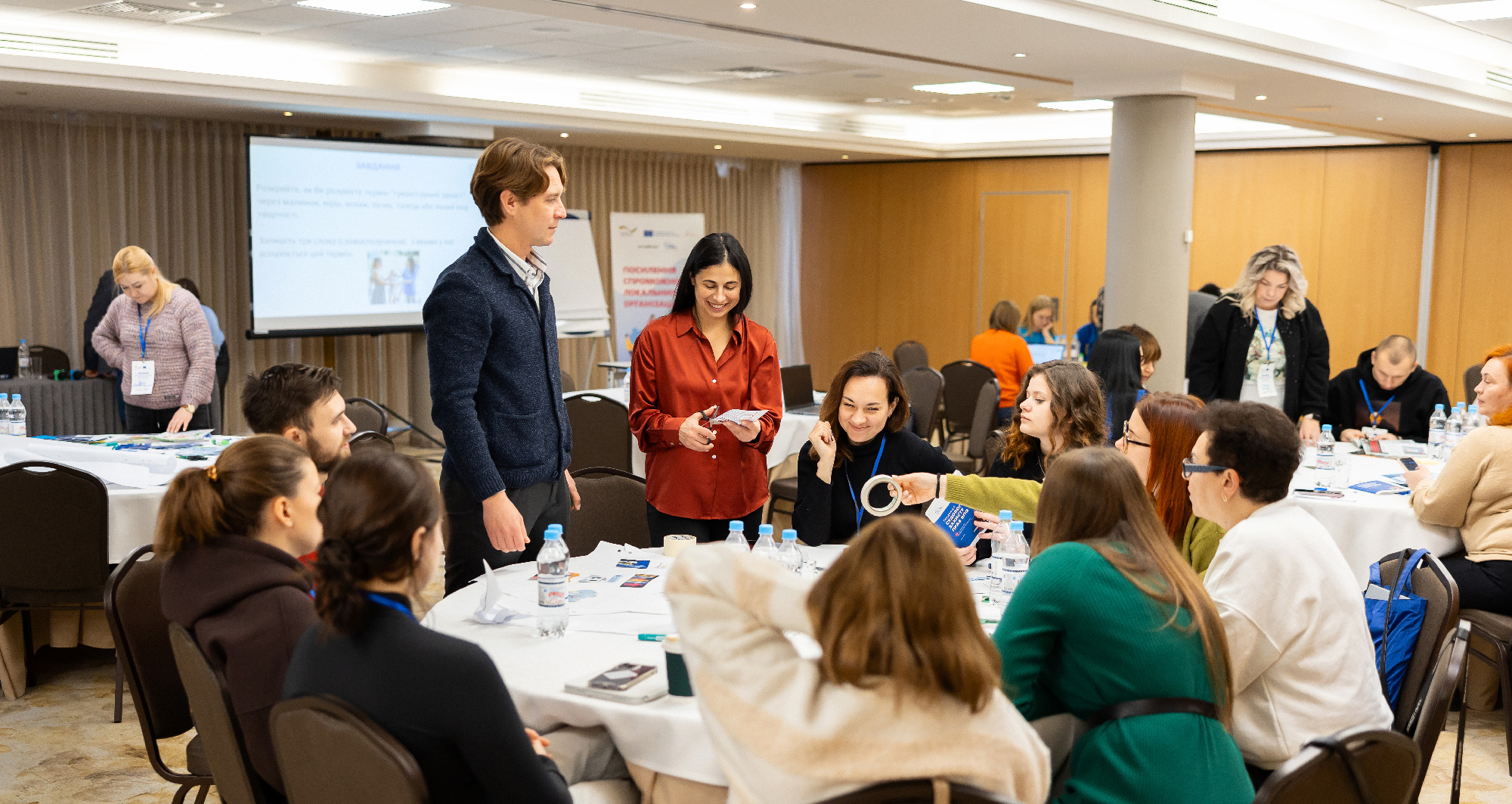
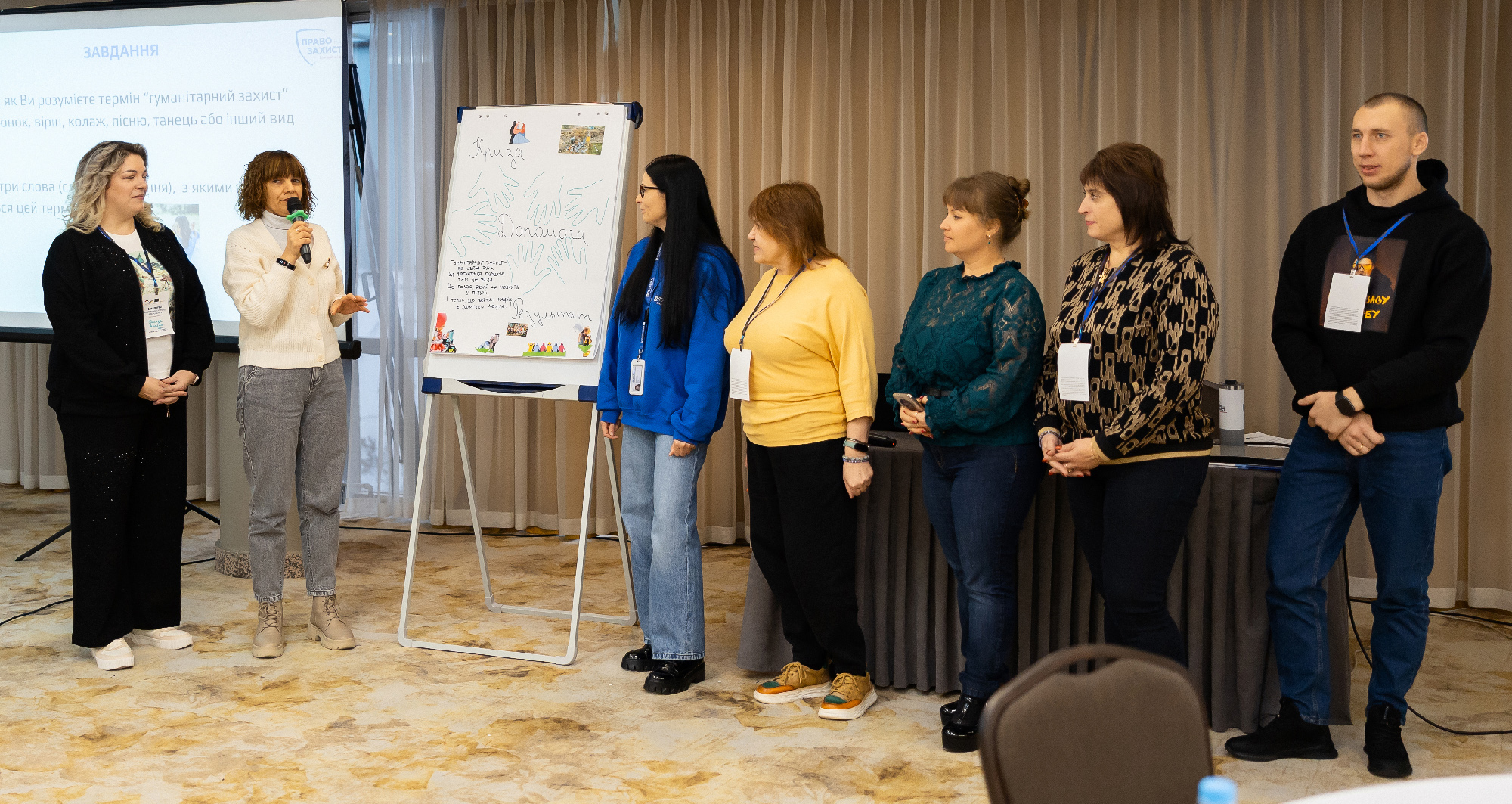
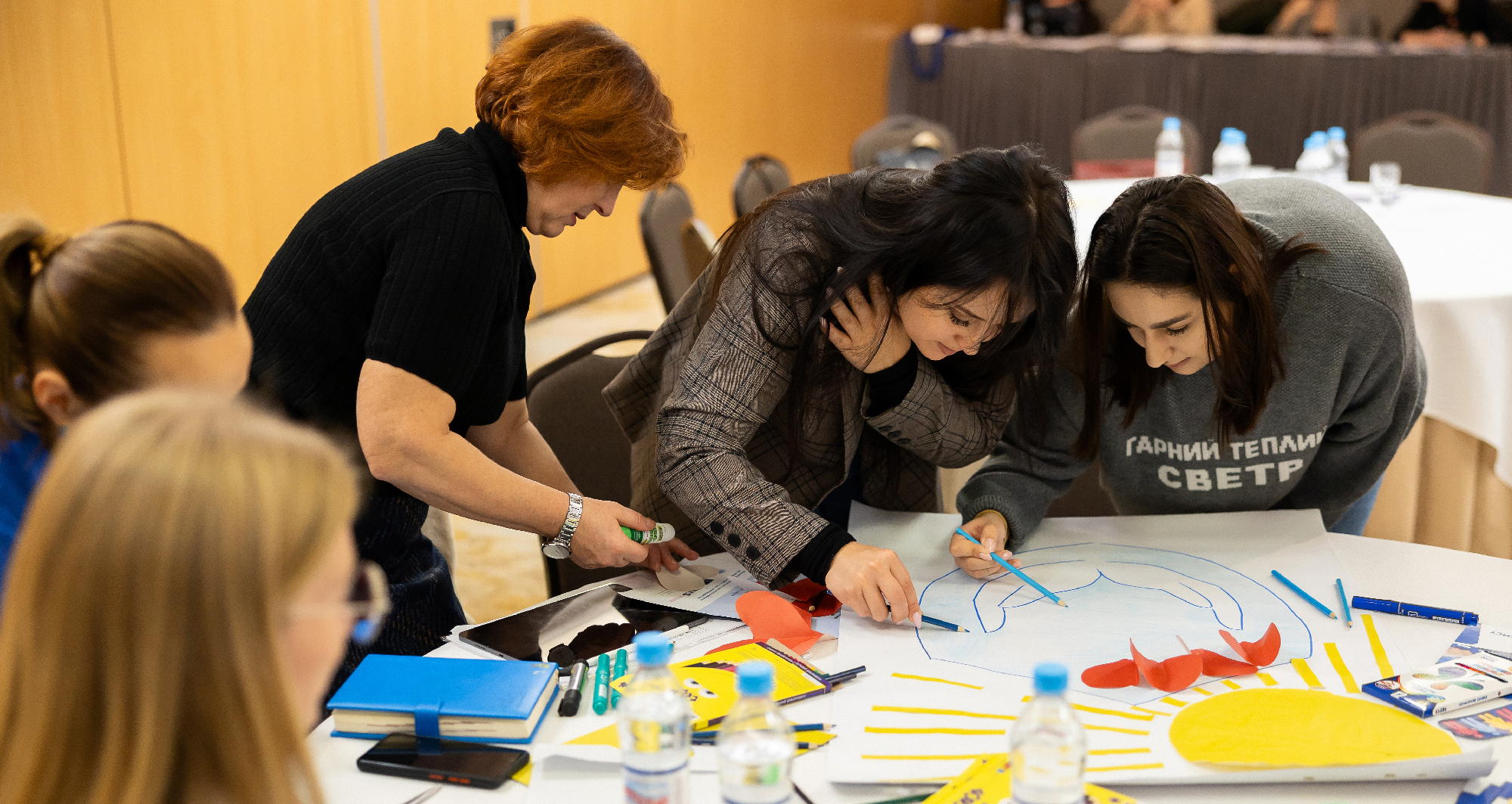
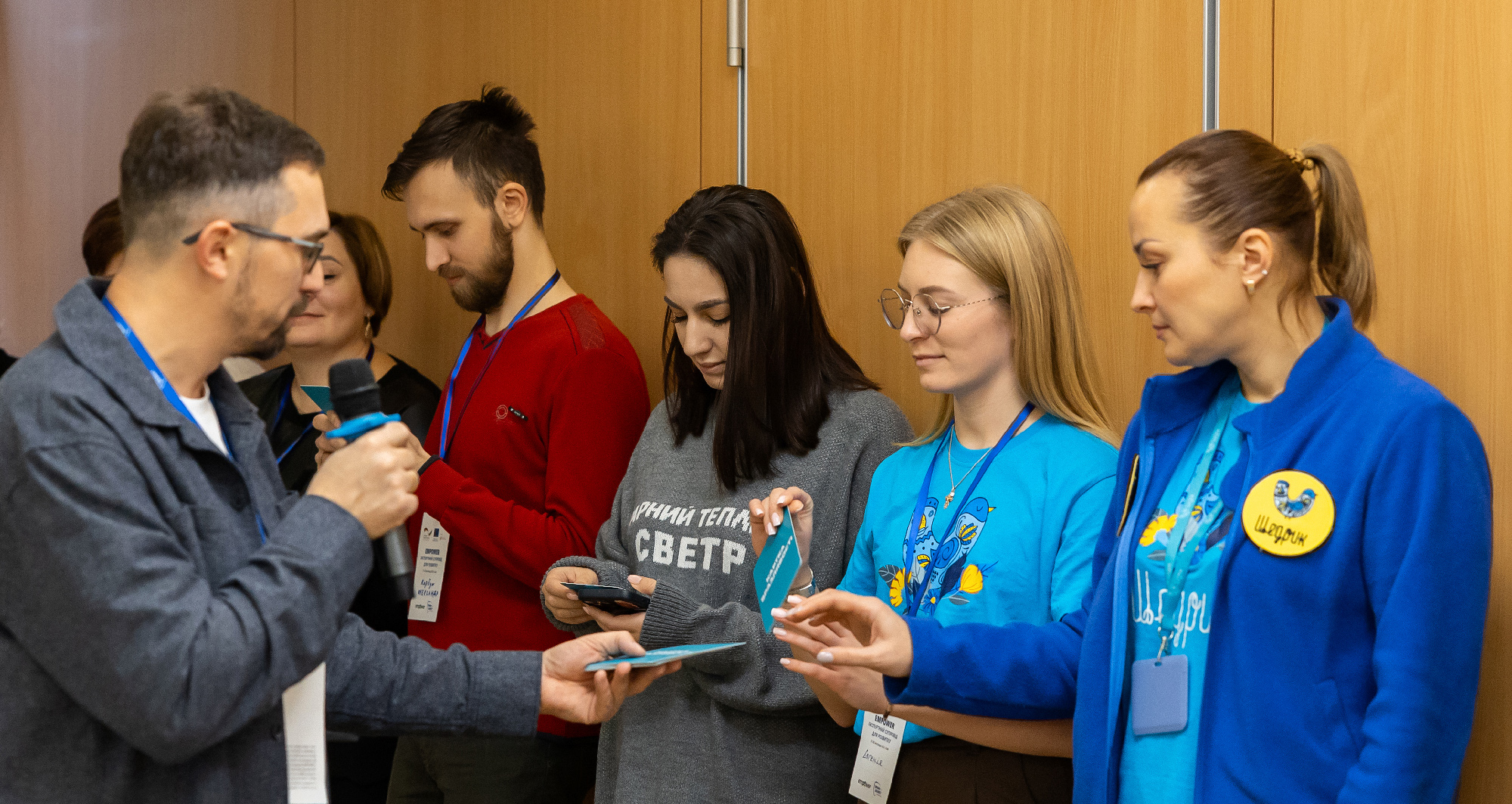
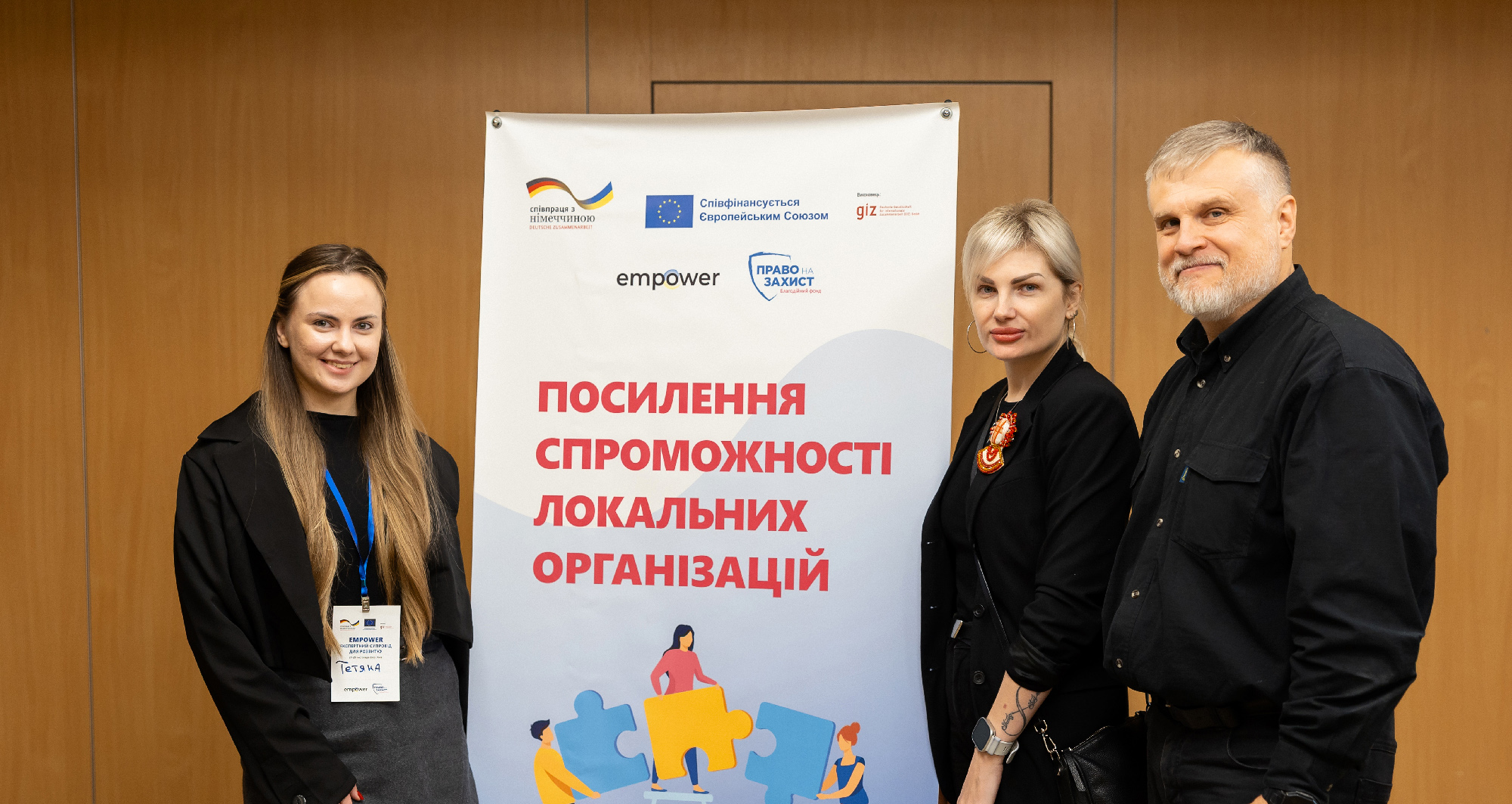
During the event, participants discussed what a non-profit organisation needs to operate professionally and sustainably.
The second element of the event was a training session, The Basics of Humanitarian Protection. This is a timely topic, as all CSOs are guided by humanitarian principles in their activities, participate in cluster meetings, and coordinate their activities with existing sector participants.
During the training, all participants practised the topics they had studied, including:
- the vulnerabilities of aid recipients;
- the context in which they find themselves;
- working in conditions of limited resources.
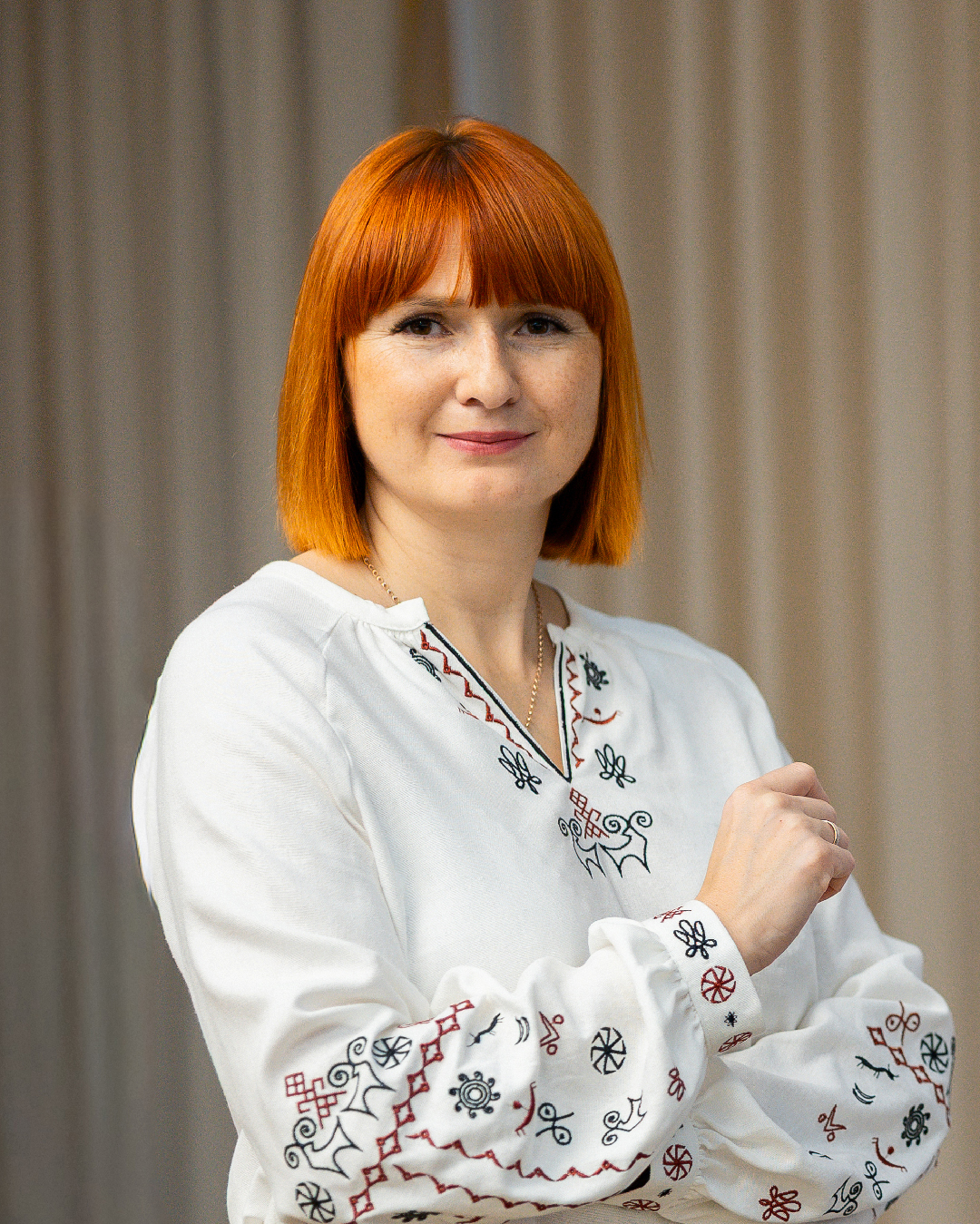
Olena Herus
Head of the Capacity Building for Local Organisations programme of R2P
Over the past year, R2P has worked within the framework of organisational development mentoring with 17 organisations that received support from GIZ to implement their projects. This year, 13 organisations continued to cooperate with GIZ, in particular by strengthening their professionalism through training and individual consultations during mentoring. This is an important indicator of our success. Twelve new civil society organisations that have expressed a desire to develop have also joined the network, and we have already begun working with them.
The event was implemented as part of the EMPOWER project, which is funded by the German Federal Ministry for Economic Cooperation and Development (BMZ) in cooperation with the European Union and implemented by GIZ Ukraine.