
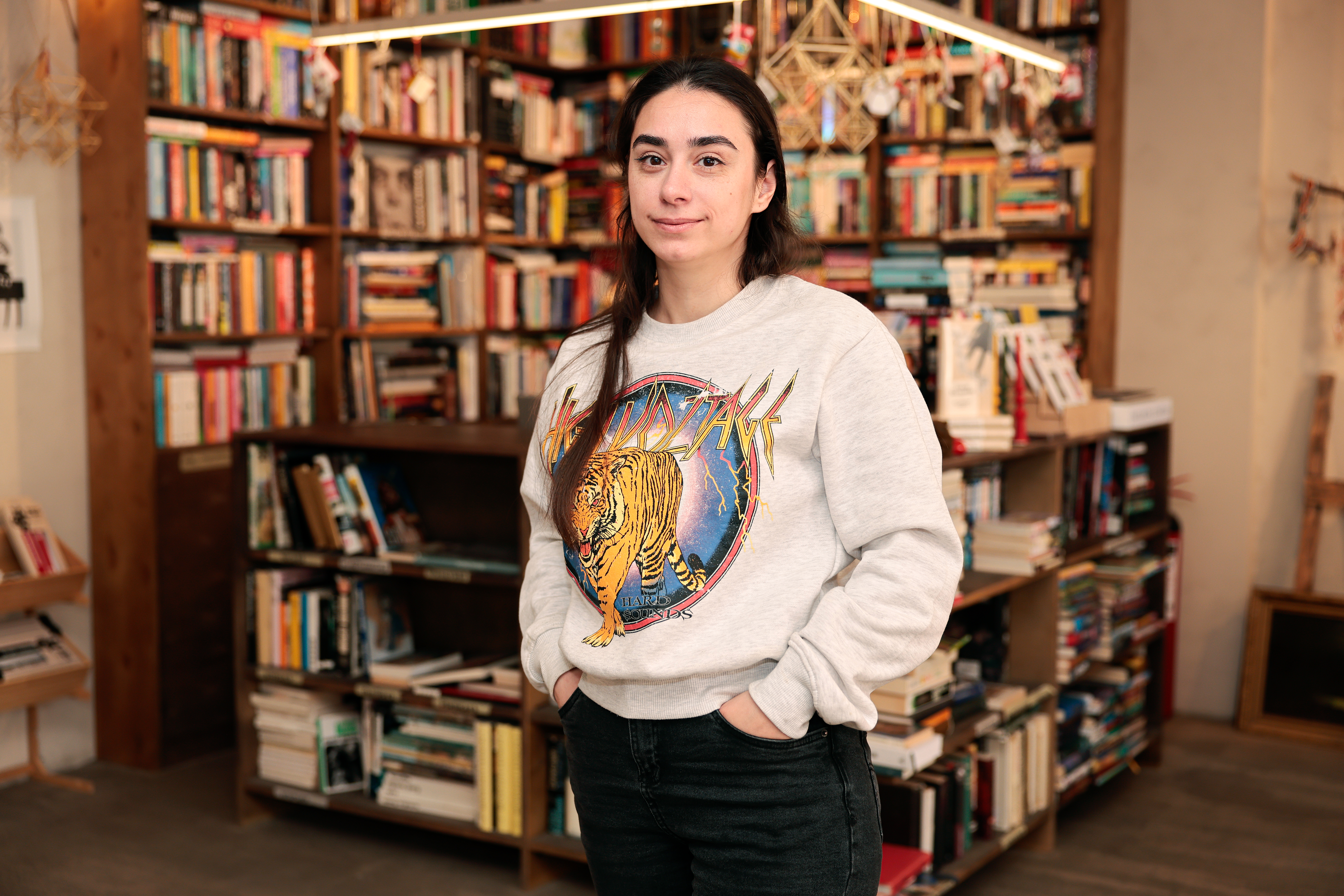
“I grew up watching my mother knock on every possible door, only to be treated terribly in return. It wears you down. You live with this emptiness. When you are rejected for the hundredth time, you start wondering why you are even asking anymore,” Mariam recalls.
-
Unfortunately, nothing was found for your request, you can search for another keyword, or contact us with your question through the feedback form
Search results (25)
All results (25)
29 Years Without a Birth Certificate: Mariam’s Fight for the Right to Be Seen
September 4, 2026
At 29, Mariam Panchuridze still does not even have a birth certificate. Her entire life has been shaped by the injustice of having an undetermined legal status — an injustice she now wants, above all, to protect her son from.
Her story is featured in the Ukrainska Pravda. Life article “Fighting to Be Recognised: How a Lack of Documents Deprives People of Education, Healthcare and a Future”.
Mariam is the fifth and youngest child in her family. Her mother is Ukrainian, and her father was Georgian. Their three older children were born in Kyiv, but shortly before the collapse of the Soviet Union, the family moved to Georgia. Mariam and her brother Mykhailo, who is one year older, were born there.
In 1996, a month after Mariam was born, her father died. Immediately afterwards, the family decided to return to Kyiv. That was when their exhausting struggle to obtain documents began.
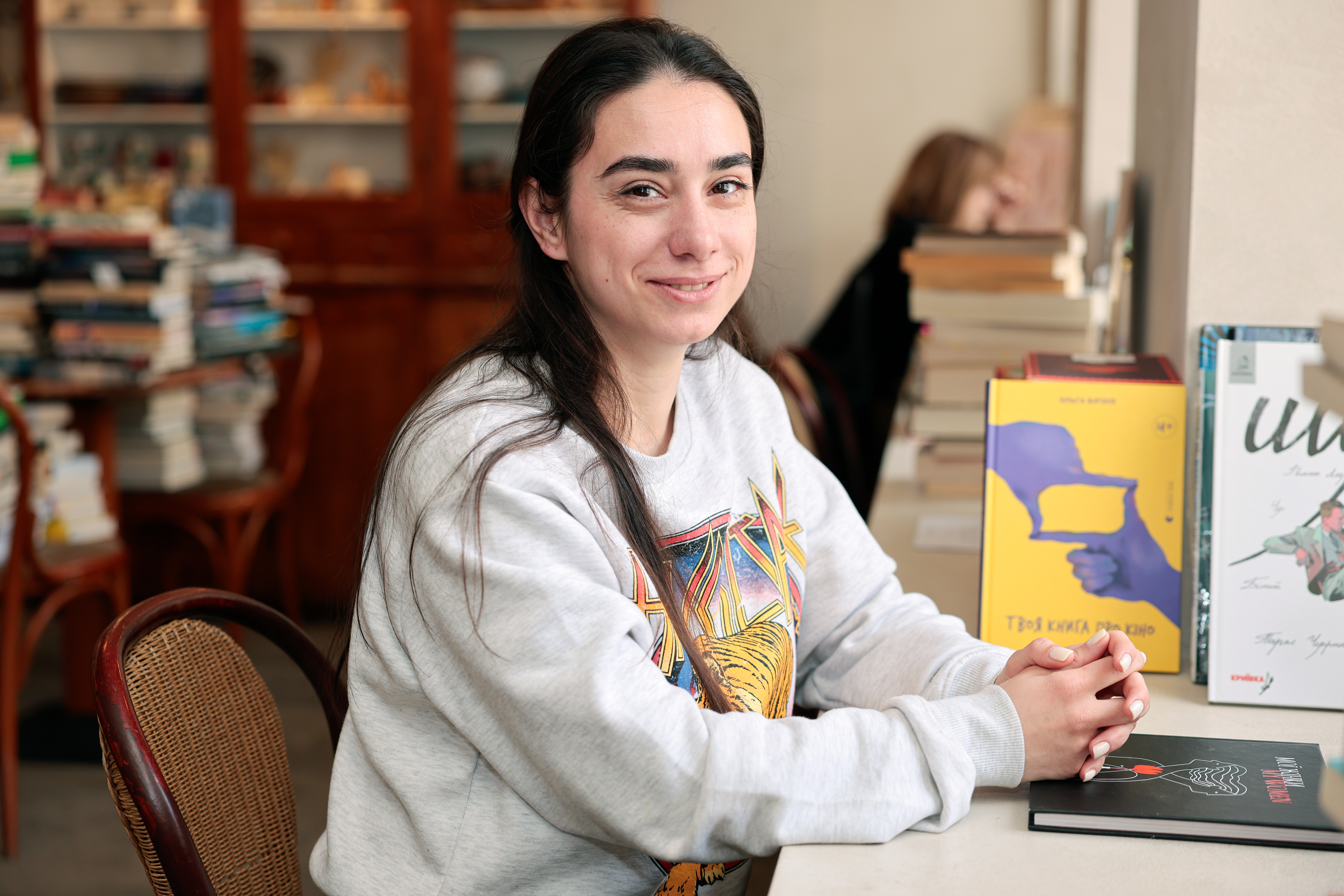
“When the Soviet Union collapsed, my mother was automatically granted Georgian citizenship. Before returning home, she wanted to obtain documents for Mykhailo and me. But the authorities told her that she could do it once we were in Ukraine. When my mother went to register my brother and me in Kyiv, people looked at her as though she were asking for something absurd. After that, she spent years going from one authority to another,” Mariam says.
Things were easier for the three older children because they had Soviet birth certificates. Mariam and Mykhailo, however, went to nursery and then school without any documents at all.
“We were nobody. Like grass by the roadside,” Mariam says.
In the 9th grade, she almost found herself without proof of her education as well. The school refused to issue the document without a birth certificate. The situation was eventually resolved, but Mariam was unable to continue her education.
“I wanted to become a designer because I loved drawing. But without documents, that profession became unattainable. That was when I stopped dreaming. And stopped drawing too,” she says.
Mariam had to look for casual work. She handed out flyers, put up adverts and worked as a shop assistant — taking whatever jobs were available to someone without a passport.
Mariam found tremendous support in her partner, Vladyslav. From the outset, she warned him that they would not be able to formalise their relationship legally. His calm response meant a great deal to her: “It’s all right. We’ll manage.”
The couple later had a son, Mykhailyk, who will soon turn two. After his birth, one of Mariam’s greatest fears became a reality: in public institutions, her son is treated differently from other children. Because of problems with his mother’s documents, he does not have a birth certificate.
He has no access to free healthcare. When Mykhailyk first developed a high fever, a doctor at a public hospital examined him and said, “I’ll check him, but don’t come here again.” A month ago, he needed an operation after a piece of glass became lodged in his toe.
“He was getting worse and developing a fever. The nurses at the hospital demanded a birth certificate, but all we had was the discharge paper from the maternity hospital. The surgeon did not want to take responsibility and told us to soak his foot in salt water for seven days. I couldn’t insist on anything because my hands were tied.
The next day, we went to a private doctor, who operated on my son within a few hours. If we had spent a week soaking his foot in salt water, he would simply have developed sepsis,” Mariam says.
At the hospital, Mariam was even threatened by the police because she did not have documents. At that moment, one thought flashed through her mind: “God forbid they take him away.” That is now her greatest fear.
Mariam first heard about Right to Protection from her sister. After dozens of unsuccessful attempts to resolve her situation, she had lost hope, but she decided to seek help nonetheless. Her relatives did the same.
“The older ones — Malkhaz, Albina and Heorhii — were luckier. They had Soviet birth certificates, which were replaced with Ukrainian ones. They have already been recognised as stateless persons and will eventually be able to become Ukrainian citizens.
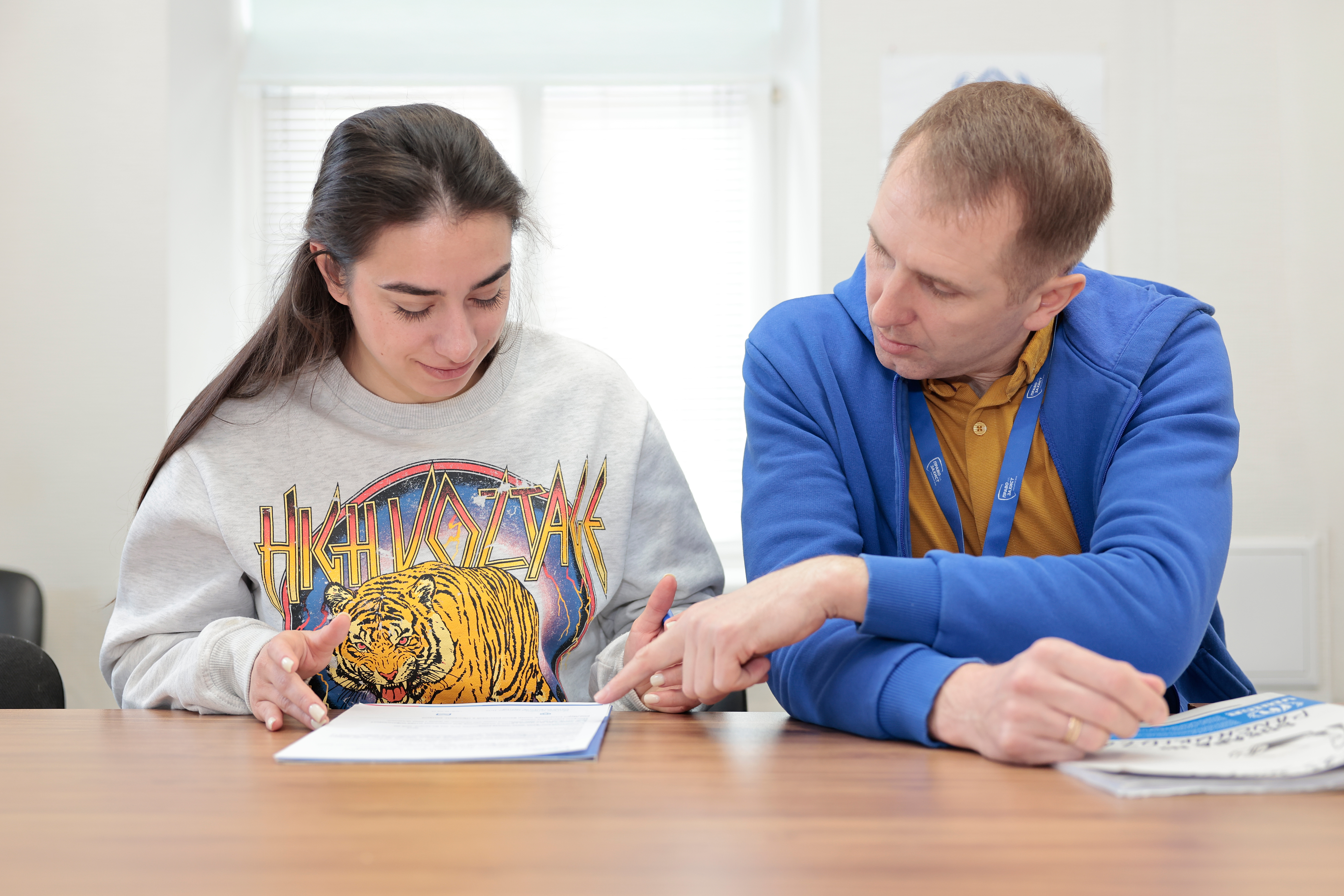
Mykhailo and I, however, need to prove the facts of our births. We need Georgia to respond in some way to requests about whether we are considered Georgian citizens — whether the answer is yes or no. We have been stuck at this stage for two years now. The lawyer keeps sending requests, but there has been no response yet. Despite that, I have more faith now than I did at the beginning of this journey,” Mariam says.
R2P’s lawyers are also working to obtain a birth certificate for Mykhailyk. Mariam and Vladyslav have undergone DNA testing to confirm paternity. Their son will be registered through his father.
Mariam says that navigating the path towards citizenship alone is simply impossible. In her case, even the lawyers she approached before receiving support from R2P were unable to resolve the situation.
Today, Mariam is taking small steps towards her dream — a Ukrainian passport. And she believes that one day she will hold it in her hands.
Why Do People Become Undocumented?
Research conducted by Right to Protection and the research agency Info Sapiens in 2023–2024 found that 236,000 people in Ukraine are at risk of statelessness. Most have no documents at all.
Among people at risk of statelessness, 69% are unable to meet their basic needs because of low incomes, 61% do not have documents confirming their education, and 56% have never sought medical care.
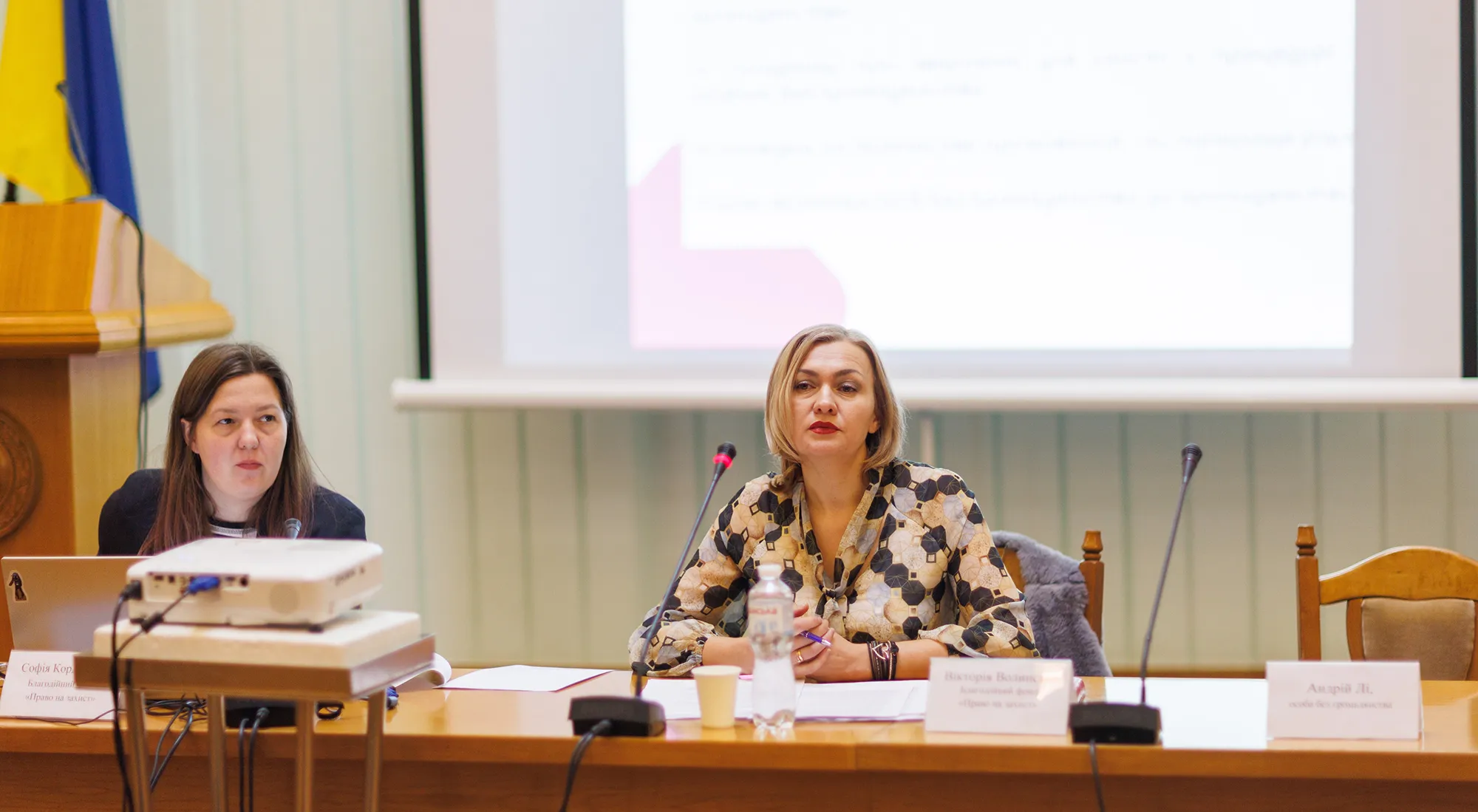
Viktoriia Volynska, Senior Lawyer on Citizenship Issues at Right to Protection, explains that undocumented people are unable to access opportunities most people take for granted, including education, free healthcare, formal employment and marriage registration.
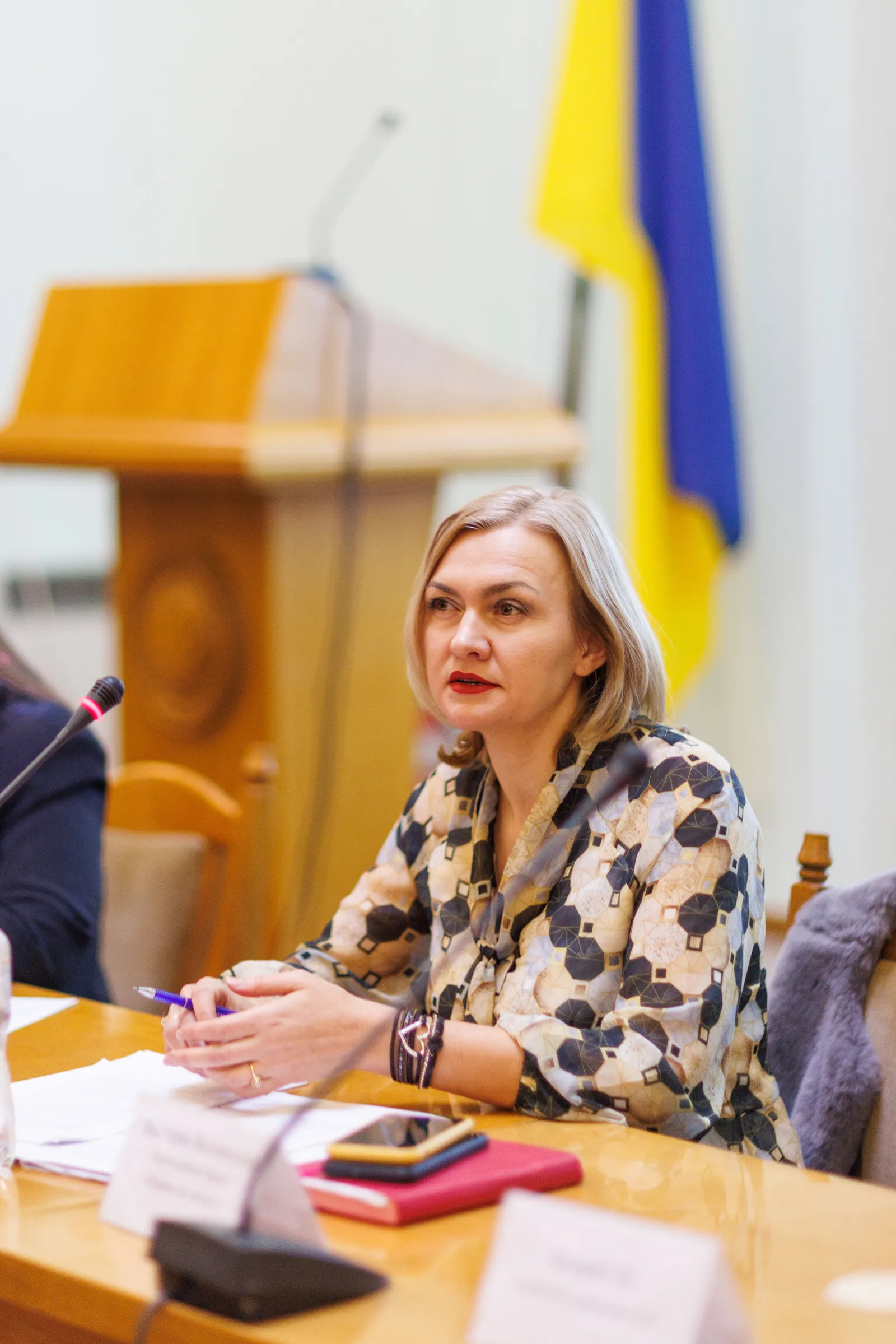
Viktoriia Volynska, Senior Lawyer on Citizenship Issues at Right to Protection:
Take education, for example. Until the age of 14, children use their birth certificate as their main identity document, after which they receive an ID card. Without a passport, problems arise when they need to obtain a school-leaving certificate. As a result, these children are often unable to prove that they have completed their education. Vocational and higher education are effectively inaccessible to them.
The most common reasons why people become undocumented include:
- the loss of archived records relating to previously issued Ukrainian passports, including as a result of the war;
"This particularly affects residents of Crimea and parts of Donetska and Luhanska oblasts occupied in 2014. The archives from these territories have been lost, so people simply cannot prove that they are Ukrainian citizens. However, since 2019, the State Migration Service of Ukraine has been digitising its records, so residents of territories occupied later do not face the same problem,"Viktoriia Volynska explains.
- the loss of information about registered places of residence as of 24 August and 13 November 1991. This resulted from an administrative reform in which residence-registration records were not transferred to the newly established authority after Ukraine gained independence;
- a lack of funds to contact the embassy or consulate of a person’s country of origin or previous residence;
- the undetermined legal status of parents;
- a lack of information about how to exercise the right to citizenship.
How Can Undocumented People Obtain a Passport?
Undocumented people have two possible routes: confirming their citizenship or obtaining stateless person status. In around half of cases, after reviewing a person’s circumstances, lawyers begin with the first option. They collect as much information as possible about the person’s life and submit an application to the State Migration Service of Ukraine or the embassy of their country of origin to confirm whether they are a citizen.
Viktoriia Volynska, Senior Lawyer on Citizenship Issues at Right to Protection:
Take, for example, someone who still has Soviet documents. Even if they did not have a registered place of residence as of 24 August or 13 November 1991, records of their studies or entries in their employment record may help. These facts must be confirmed by witnesses, such as relatives or neighbours. An application can then be submitted to a court to establish the fact that the person was permanently resident in Ukraine as of one of those two dates. This can subsequently make it possible to confirm their Ukrainian citizenship.
According to Viktoriia Volynska, because of the complexity of the procedure, people often need legal assistance. The details matter: knowing which authority to contact, what request to submit and which document can be used to prove a particular fact from someone’s life. An undocumented person cannot even submit a request to the relevant authority independently because they have no document confirming their identity.
If citizenship cannot be confirmed, the person needs to obtain stateless person status. This procedure is relatively new in Ukraine — it did not exist until 2021.
A person must apply to the State Migration Service of Ukraine for recognition as a stateless person. They must attach any documents they have and provide an autobiography describing their life circumstances. Applications take between six months and one year to process.
It is easier for children to obtain documents when their parents have already been recognised as stateless persons. For this reason, Viktoriia Volynska recommends that entire families apply at the same time.
Within 10 days of being recognised as stateless, a person receives a temporary residence permit, which regularises their stay in Ukraine. The permit is valid for one year and must then be renewed.
Once a person has a temporary residence permit, they gain access — albeit with some limitations — to basic rights and services, including healthcare, education, employment and marriage registration. However, they cannot vote in elections, stand for elected office, participate in public administration, work in the civil service or establish civic associations.
After living in Ukraine with a temporary residence permit for two years, a person is entitled to apply for an immigration permit. The application is considered within six months. If approved, the person receives a permanent residence permit, which is valid for 10 years.
Certain rights become available only after obtaining permanent residence, including access to a pension, social assistance and state-funded higher education.
What Is Required to Obtain Ukrainian Citizenship?
Ukrainian citizenship can be acquired by entitlement or through admission to citizenship. The first option is available to stateless persons who:
- were born in Ukraine or abroad, provided that both or one of their parents is a Ukrainian citizen or has a permanent or temporary residence permit in Ukraine;
- have officially been recognised as stateless and were born or permanently resided in Ukraine before 24 August 1991;
- have officially been recognised as stateless and have close relatives — a mother or father, grandfather or grandmother, great-grandfather or great-grandmother, sister or brother, grandson or granddaughter — who were born or permanently resided in Ukraine before 24 August 1991;
- have officially been recognised as stateless and were born in Ukraine after 24 August 1991 to foreign nationals, refugees or stateless persons who hold a residence permit in Ukraine as defined by law.
This route is not available to everyone else. They can apply for admission to Ukrainian citizenship only three years after obtaining stateless person status. Those acquiring citizenship on the basis of territorial origin or applying for admission to citizenship must pass examinations on the Constitution of Ukraine, the history of Ukraine and the Ukrainian language.
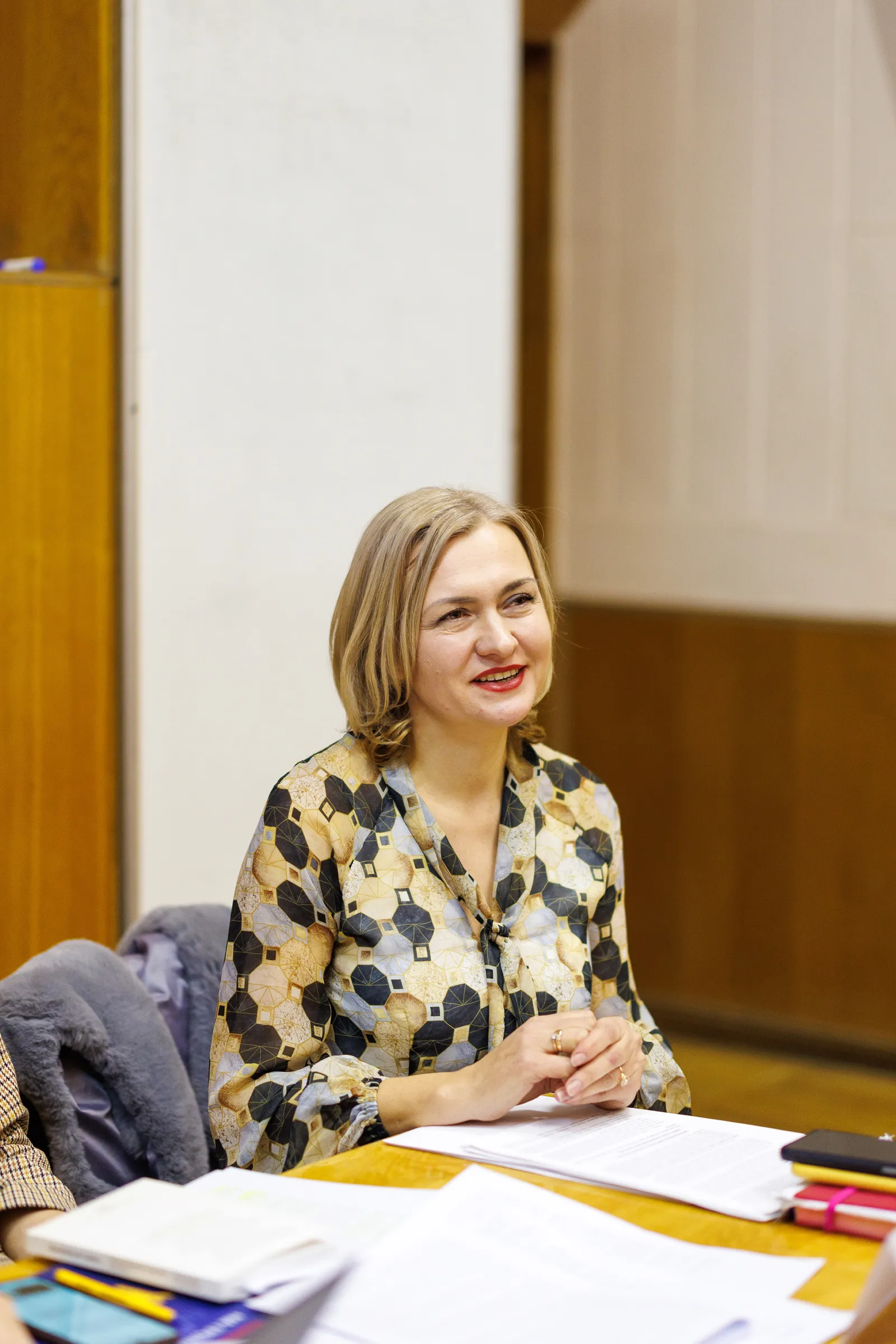
“These exams often become an obstacle to exercising the right to citizenship. First, they are very expensive: the total cost is almost UAH 20,000, while retaking them costs around UAH 10,000. Second, people who, for example, have had no access to education may find it difficult to prepare for them. Third, there are no free preparatory courses,” Viktoriia Volynska explains.