
-
Unfortunately, nothing was found for your request, you can search for another keyword, or contact us with your question through the feedback form
Search results (25)
All results (25)

Durable Solutions for IDPs Begin with Systemic Change: Key Takeaways from the Right to Protection Forum in Kyiv
June 12, 2026
Life does not come to a standstill after forced displacement. People need a home, employment, social support, and the opportunity to rebuild their future. Yet no single intervention can restore a sense of stability. This is why Ukraine today needs more than temporary response measures — it requires a comprehensive system of long-term solutions.
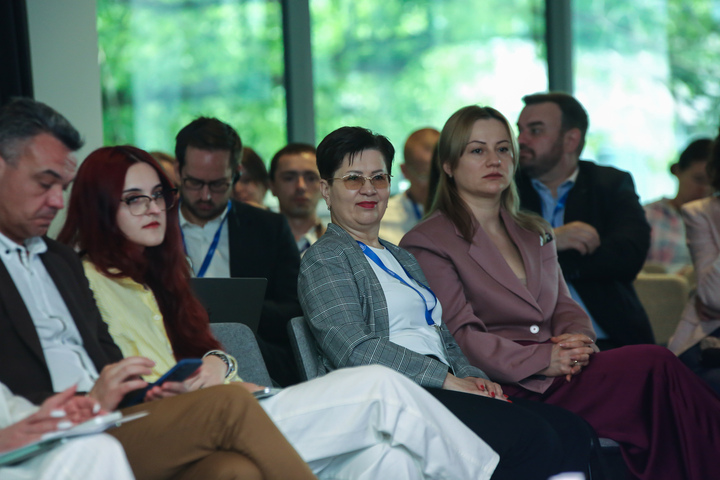
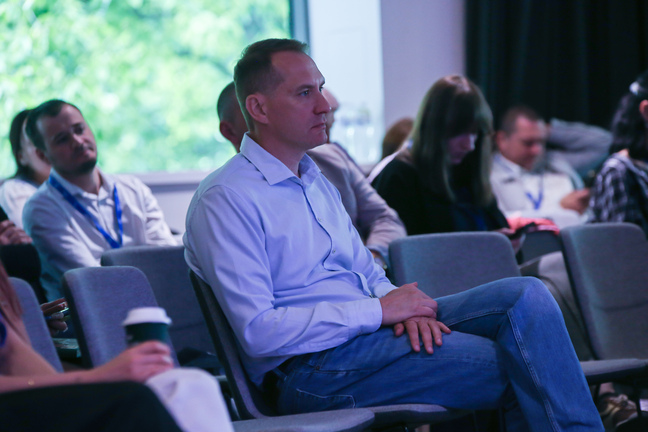
These issues were at the centre of the two-day Forum, Building Systems that Enable Durable Solutions for IDPs, held in Kyiv on 3–4 June. Right to Protection, organised the event with the support of the UNHCR, the UN Refugee Agency.
The Forum brought together representatives of national and local government authorities, international organisations, and civil society, including officials from the Ministry for Communities and Territories Development of Ukraine, the Ministry of Social Policy, Family and Unity of Ukraine, the Ministry of Economy, Environment and Agriculture of Ukraine, UNHCR, regional military administrations, as well as charitable foundations and civil society organisations.
The first day of the Forum focused on practical solutions for hromadas in housing, compensation for destroyed and damaged housing, social protection, employment, and social cohesion. Working in facilitated groups, hromadas’ representatives examined the key challenges faced by both host hromadas and IDPs and jointly developed practical models for long-term solutions.
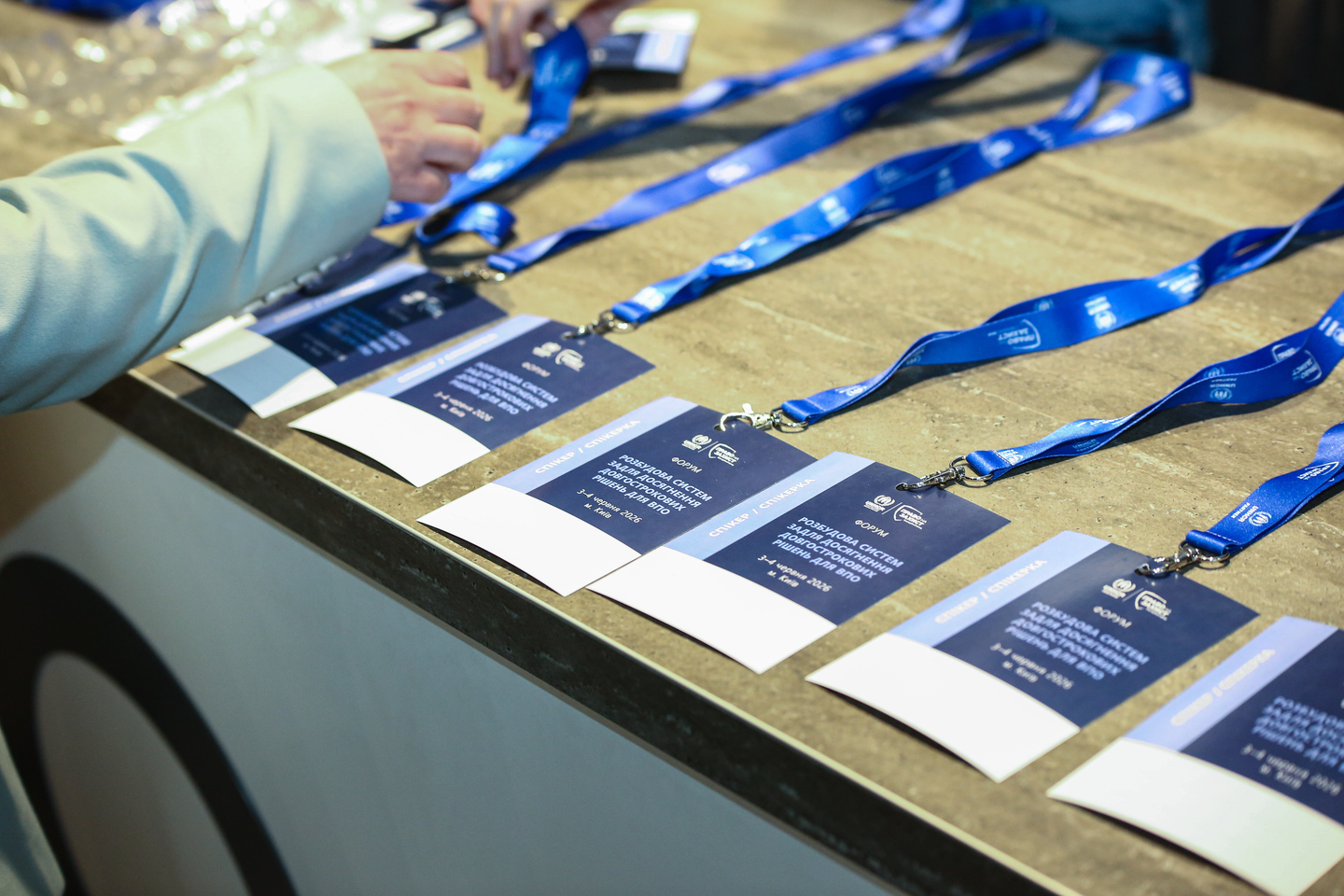
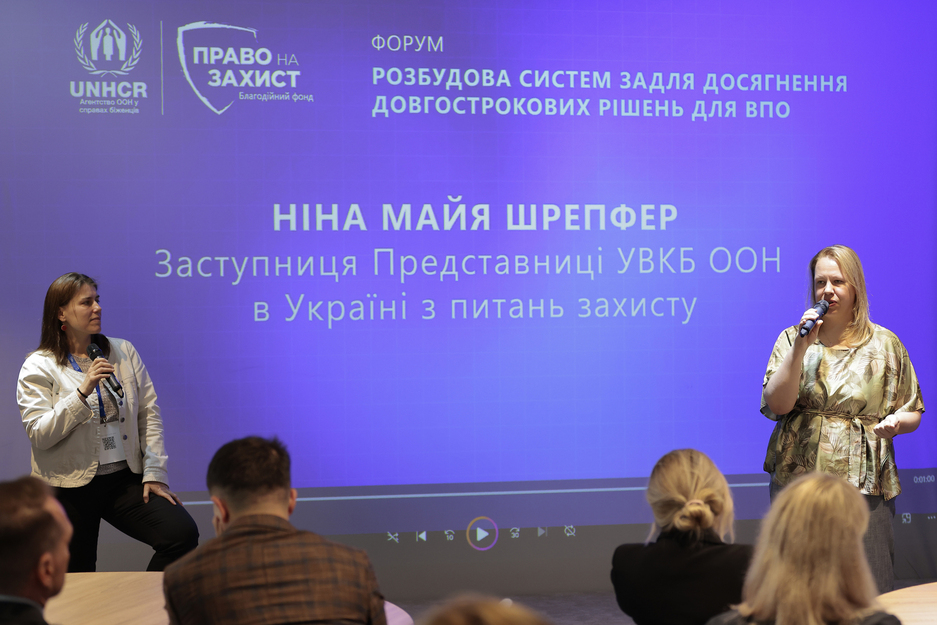
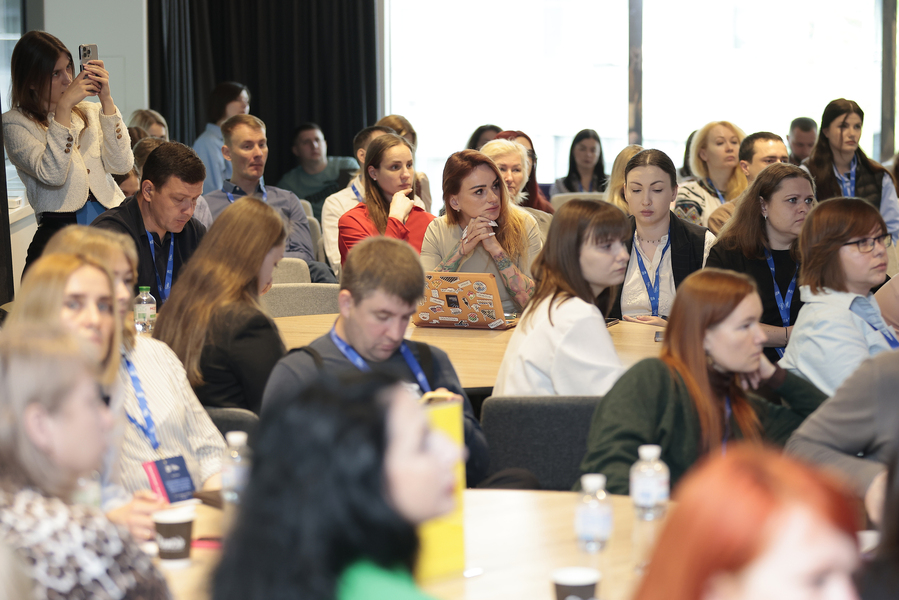
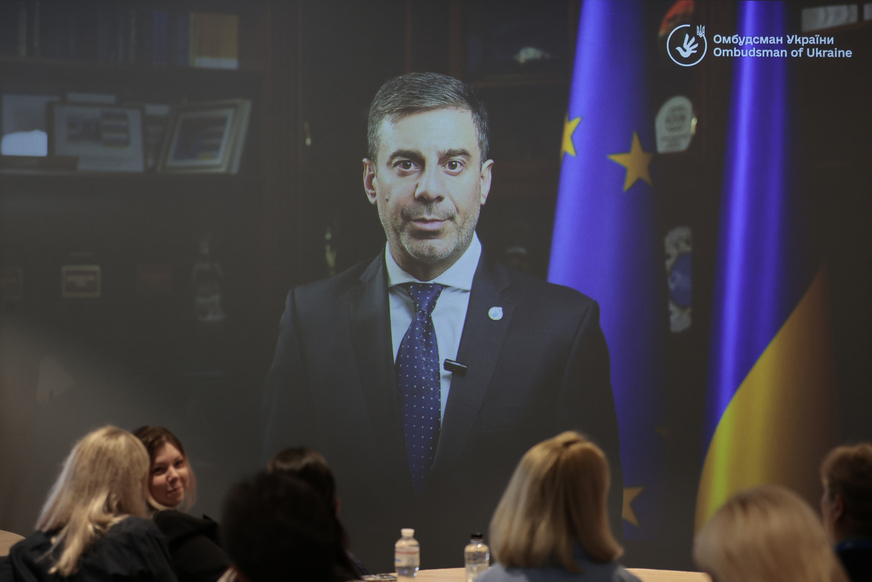
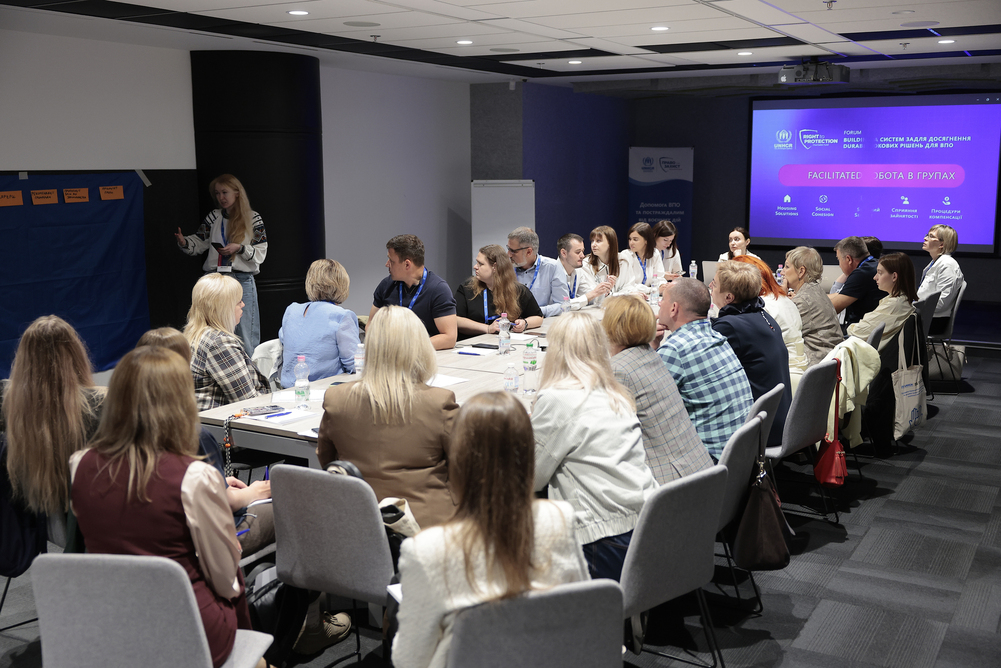
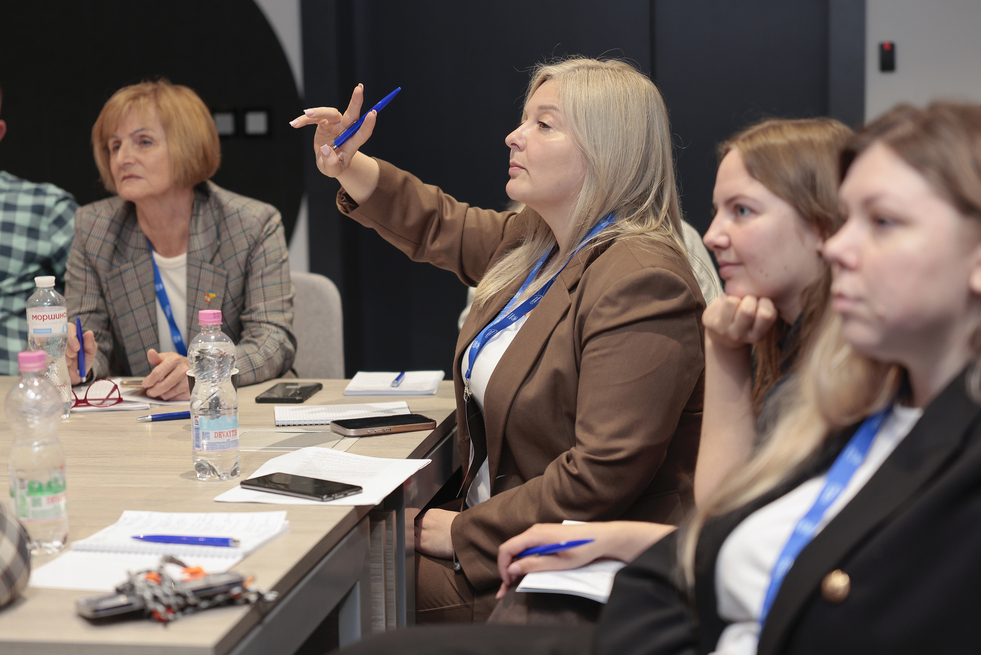
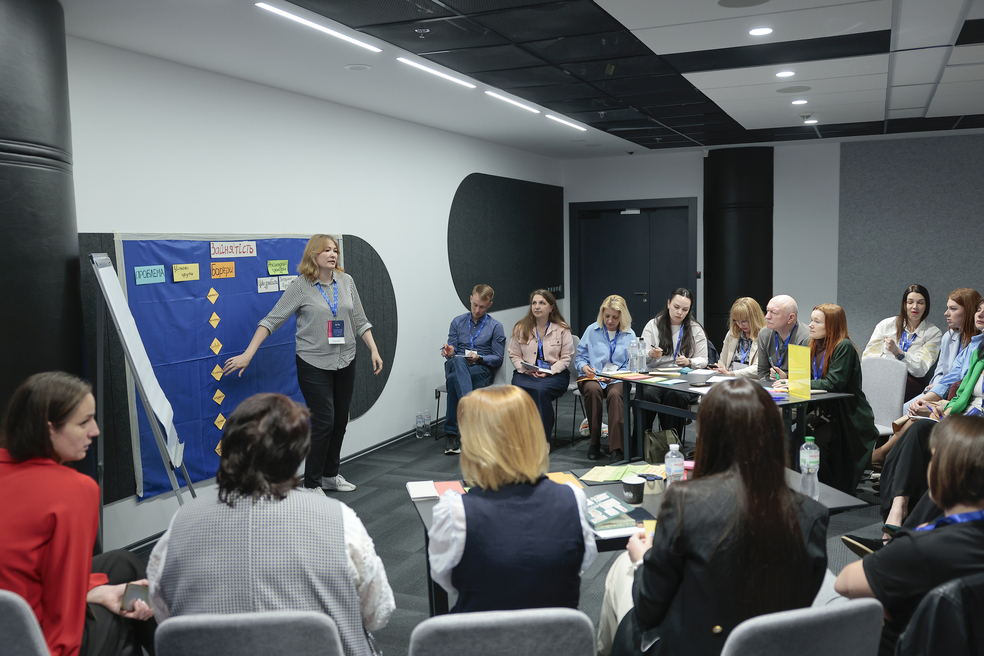
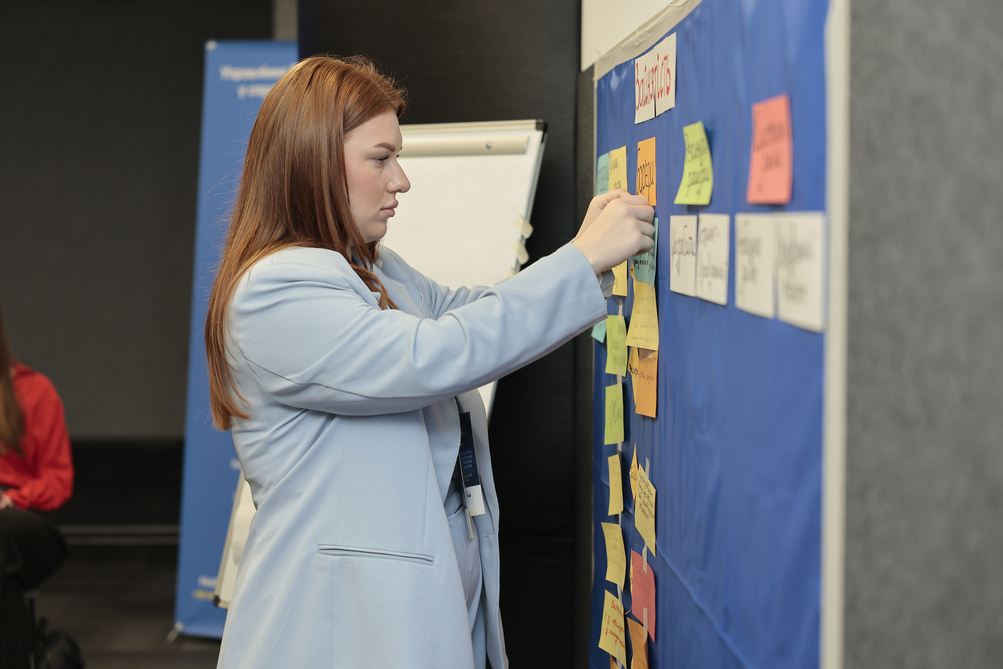
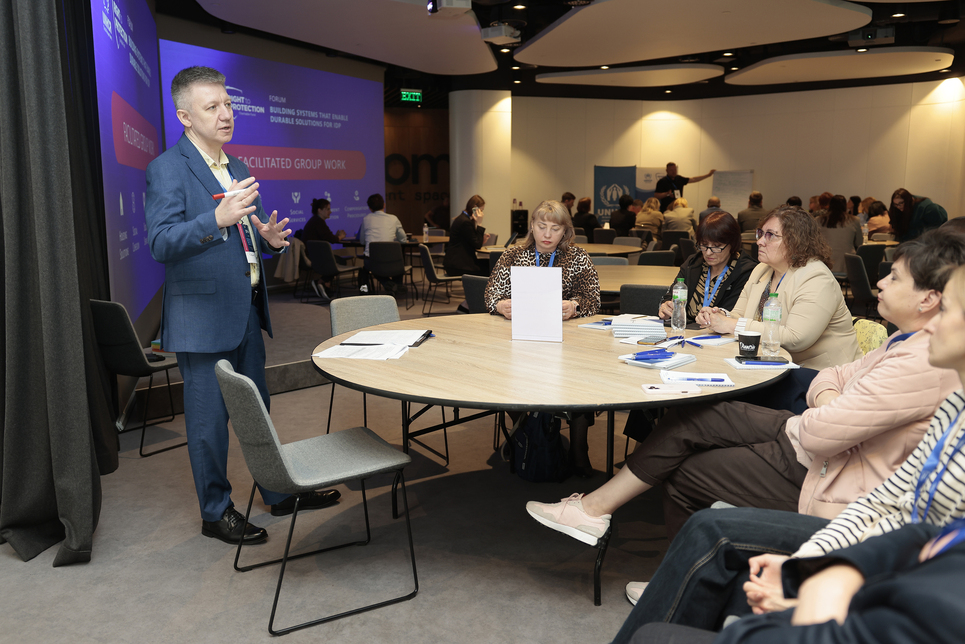
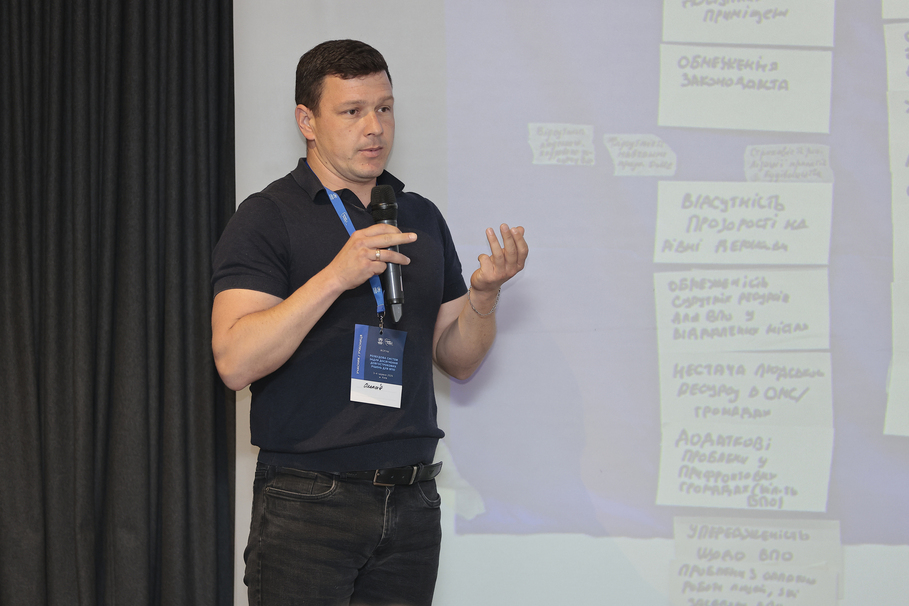
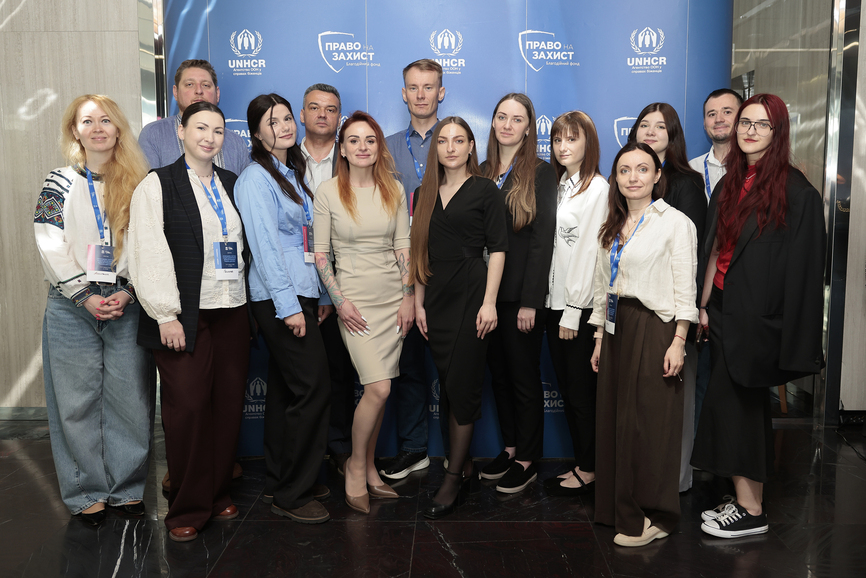
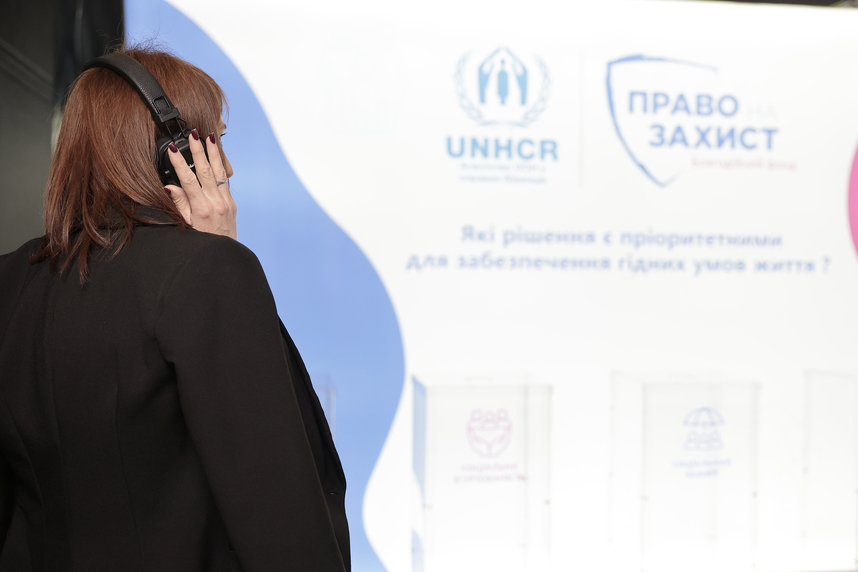
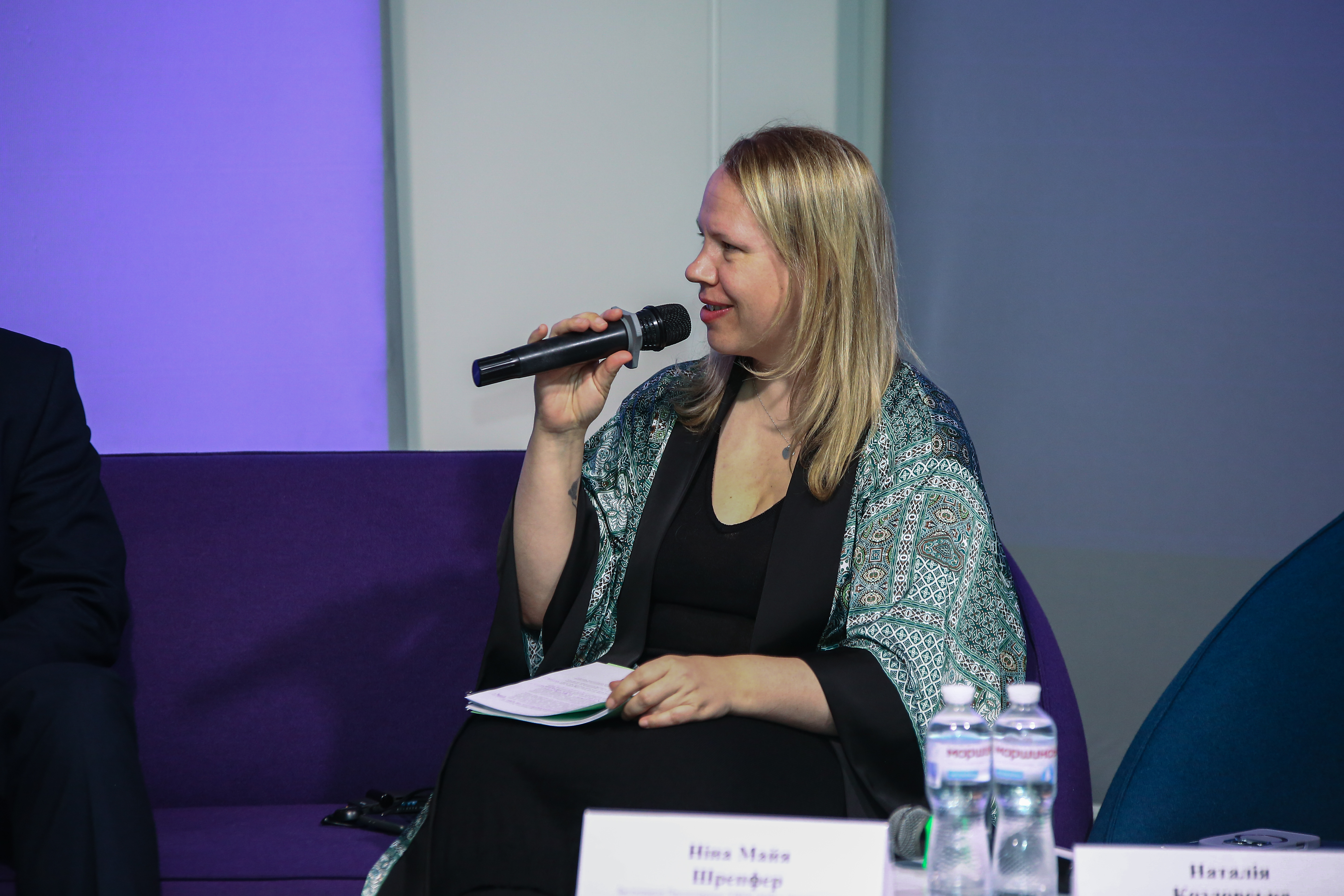
In her opening remarks, Nina Maja Schrepfer, Deputy Representative of UNHCR in Ukraine, emphasised that for millions of people forced to flee their homes, long-term solutions must represent more than formal assistance — they must restore a sense of normalcy and enable people to rebuild their lives in a safer environment.
She noted that one of the key challenges remains the fragmented, sector-based approach, whereby housing, social protection, education, and employment interventions are addressed separately, even though these needs are intrinsically interconnected in people's everyday lives.
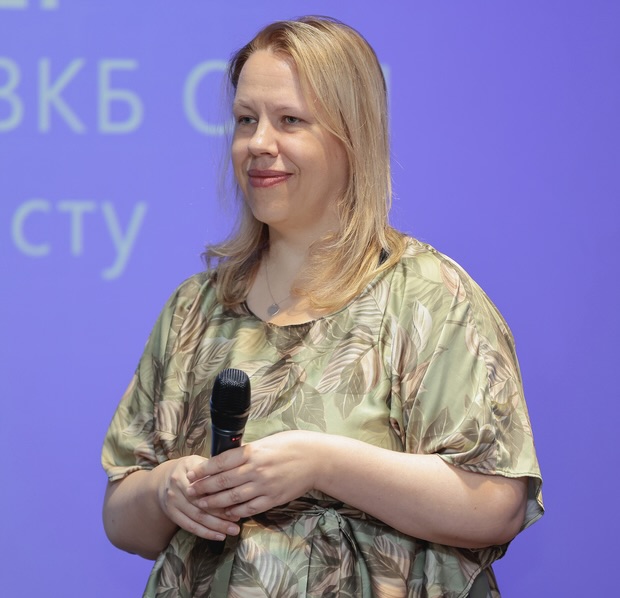
Nina Maja Schrepfer
Deputy Representative of UNHCR in Ukraine
“It is clear that a person with a disability who has experienced displacement needs accessible housing, support services, mobility, and inclusion in the labour market. All of these elements must function together as part of a single, integrated solution. This is precisely why we need to move beyond siloed, sectoral thinking”
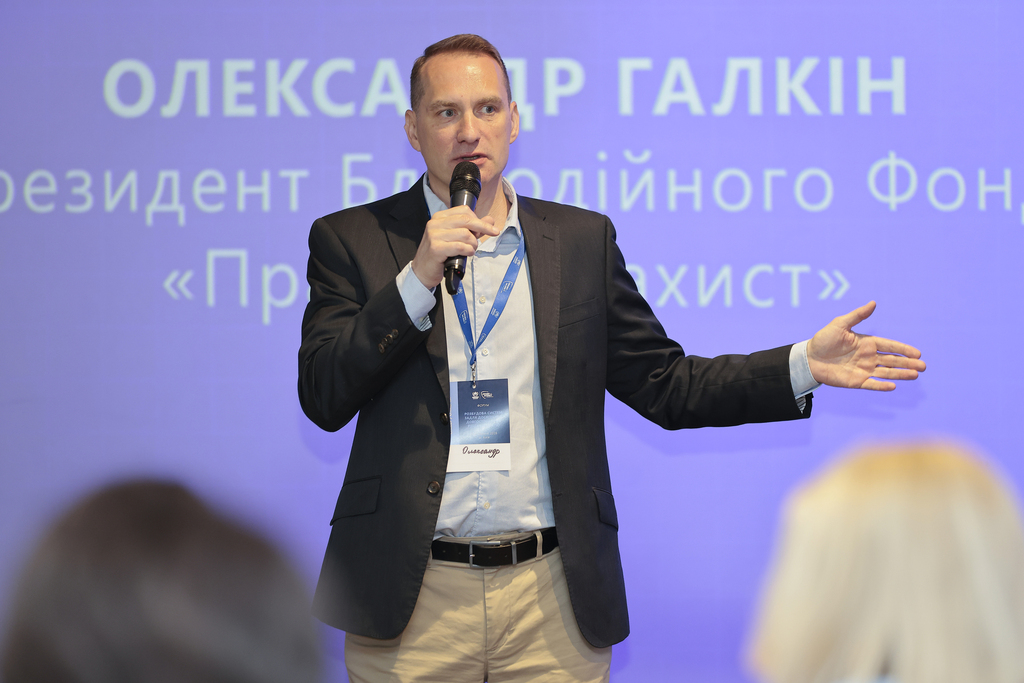
Oleksandr Galkin, President of Right to Protection, underscored the need for a comprehensive approach to supporting the war-affected population.
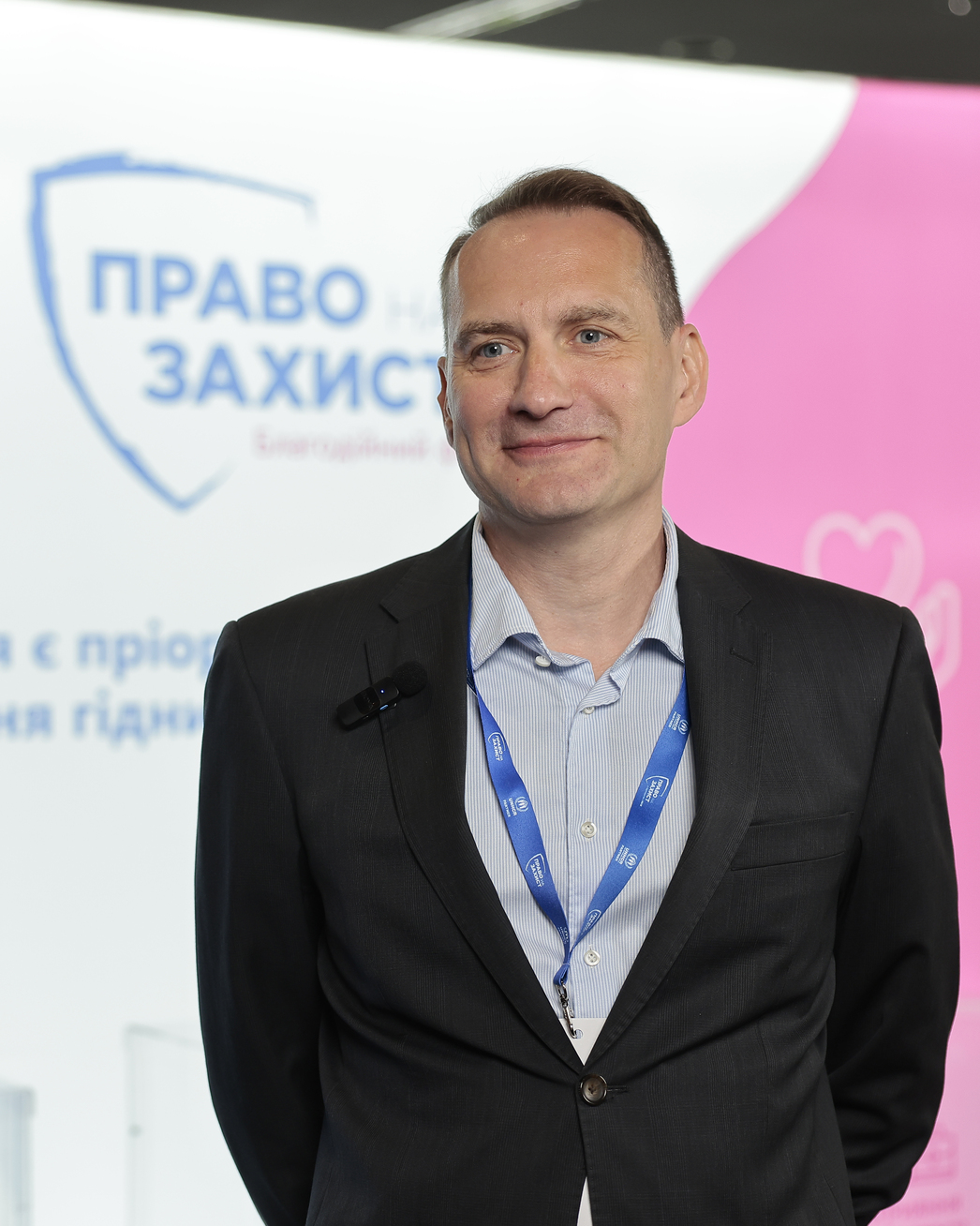
Oleksandr Galkin
President of Right to Protection
“For people affected by displacement, the journey towards rebuilding their lives does not end with evacuation or relocation. On the contrary, leaving a transit centre is only the beginning: finding a home, securing employment, building new social connections, and regaining a sense of safety. That is why it is so important for hromаdas, government institutions, and civil society to work together to develop solutions that enable people not merely to endure displacement, but to find their place in a new community and rebuild their lives with dignity and stability”
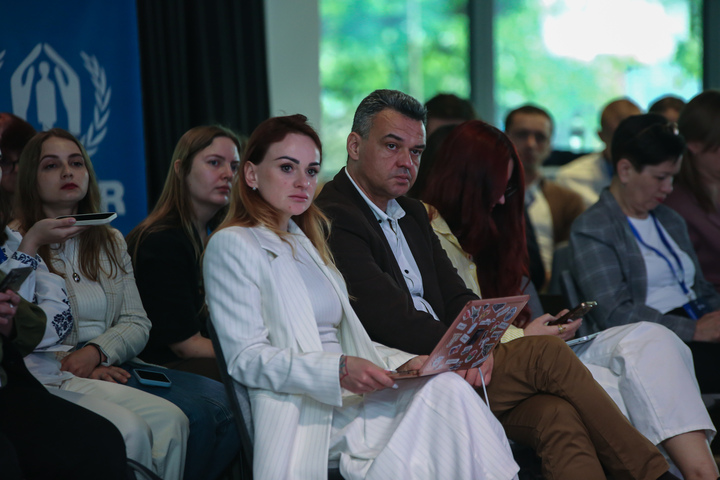
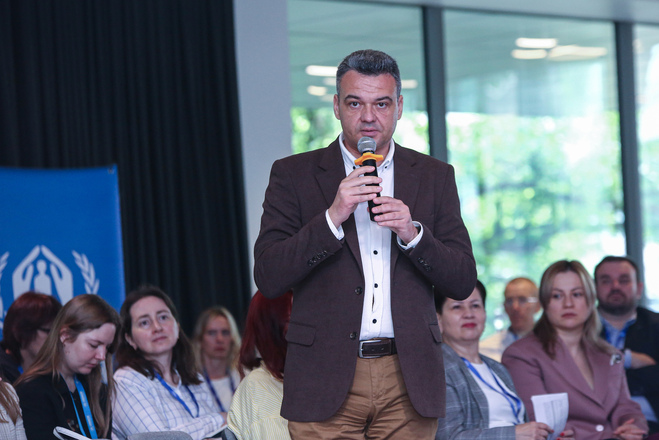
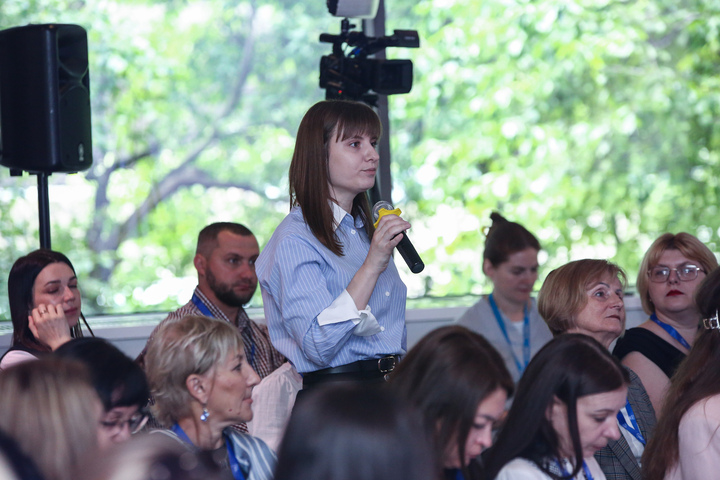
The second day of the Forum focused on public policy, legislation, coordination mechanisms, and institutional architecture. Through a series of panel discussions, participants explored how to ensure an integrated approach to long-term solutions by bringing together housing provision, social protection, employment, and social cohesion measures within a coherent policy framework.
During the first panel discussion, Ensuring integrated approach to durable solutions through institutional architecture, coordination, and data-driven law, policy and strategy, experts explored different pathways to long-term solutions for IDPs and discussed how these can be brought together into a single, coherent system that effectively responds to people's needs.
Anatolii Komirnyi, Deputy Minister of Social Policy, Family and Unity of Ukraine for Digital Development, Digital Transformation and Digitalisation, noted that the current system does not capture the full history of an individual's displacement and support journey, despite the fact that such information is essential for understanding a person's actual needs and delivering tailored, effective assistance.
“Today, the approach to the registration system for internally displaced persons needs to be fundamentally reconsidered, as the current system remains rather limited. Many people have experienced internal displacement more than once, yet the existing framework makes it difficult to trace the full trajectory of their displacement or accurately identify their current needs. In practice, it functions largely as a registry containing only basic personal information. We want to change this by moving towards a system that captures the complete journey of an individual — from evacuation through adaptation and integration in a new community. This is essential for designing a targeted and evidence-based social protection policy. Achieving this will require the involvement not only of ministries but also of local self-government authorities, which will play a significant role in implementing this approach,” he said.
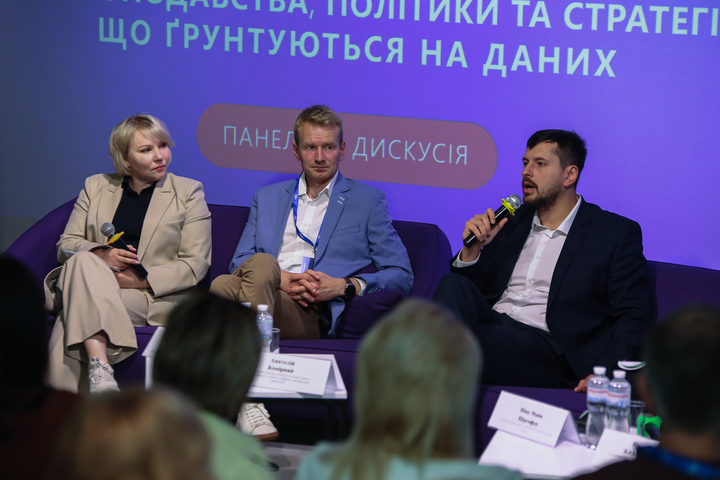
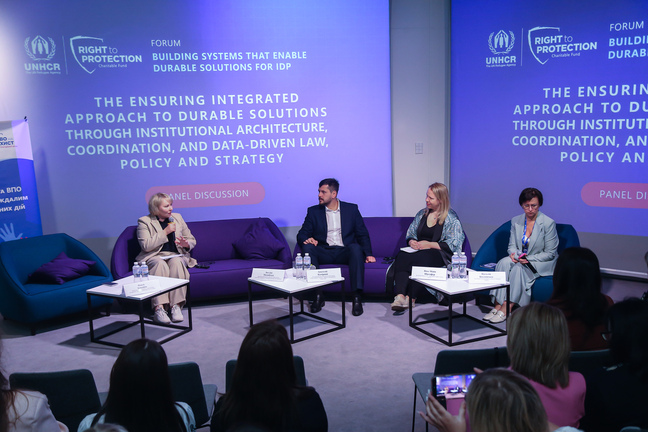
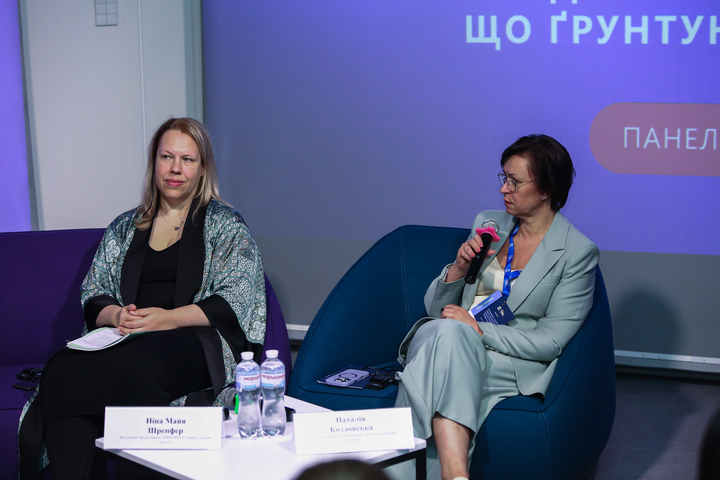
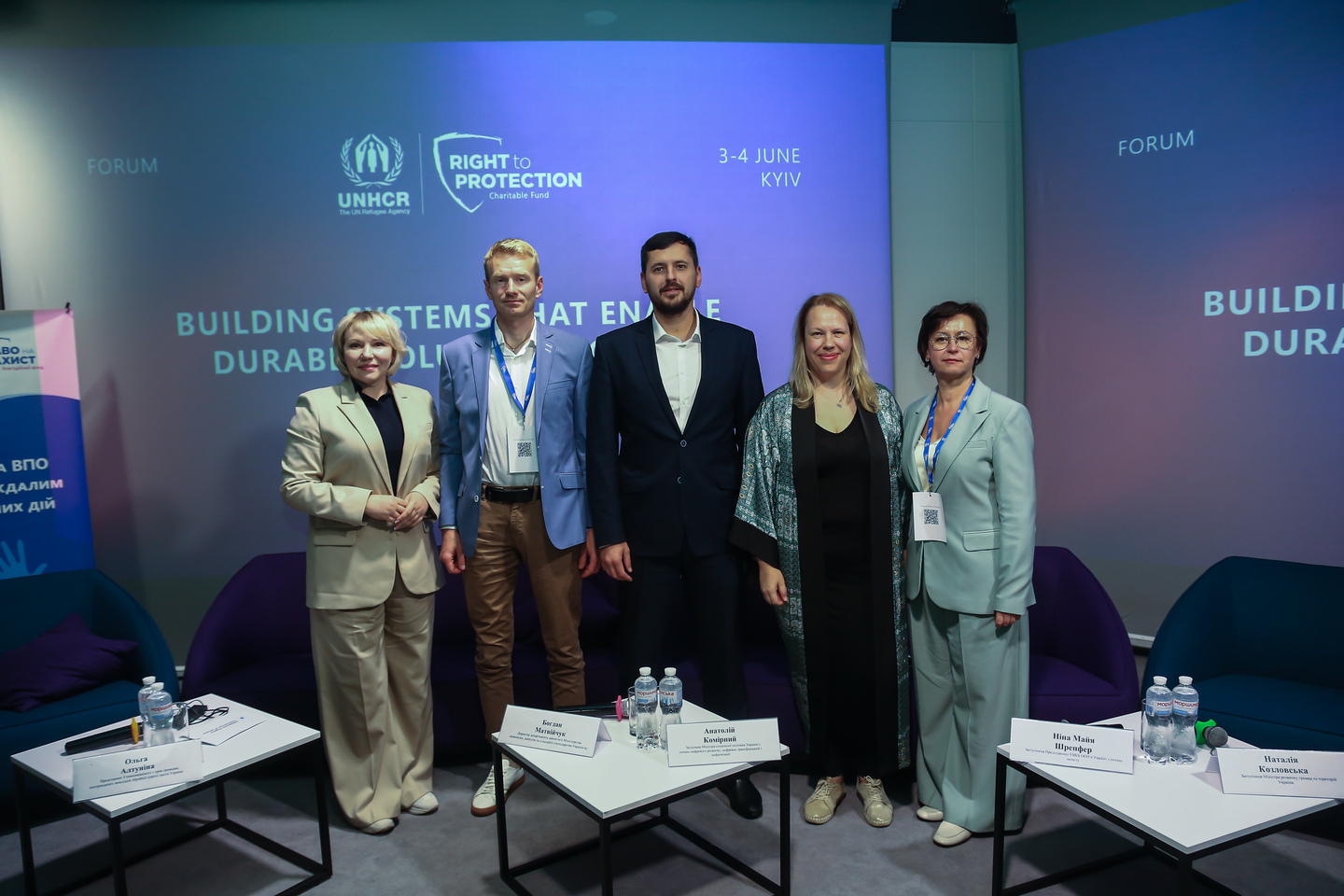
Nataliia Kozlovska, Deputy Minister for Communities and Territories Development of Ukraine, emphasised that Ukraine is currently building its social housing system virtually from scratch. For this reason, she stressed, it is essential to develop the system based on a clear, shared strategy rather than through isolated pilot initiatives.
“Social housing is important not only as a response to the needs of internally displaced persons. It is also something that local self-government authorities have been calling for, as it provides communities with the opportunity to restore their capacity to develop, maintain, and manage municipal housing stock. Such an instrument would enable communities not merely to respond to the housing crisis caused by the war, but to offer sustainable, long-term solutions for their residents”, said Nataliia Kozlovska.
Bohdan Matviichuk, Director of the Employment Department at the Ministry of Economy, Environment and Agriculture of Ukraine, noted that from now on people will be assessed by their qualifications rather than solely by entries in their employment record books.
“We have recently begun the transition from an approach based on the concept of a profession to one based on qualifications — a Soviet-era legacy, where people were assessed by entries in their employment record, which is now a thing of the past. Now, qualifications are the determining factor: what a person is already capable of doing, what skills or knowledge they lack, and where further training, retraining or upskilling is required. It is precisely this approach that will allow us to objectively assess a person’s potential and find a job that matches their actual abilities, experience and the needs of the labour market”, he said.
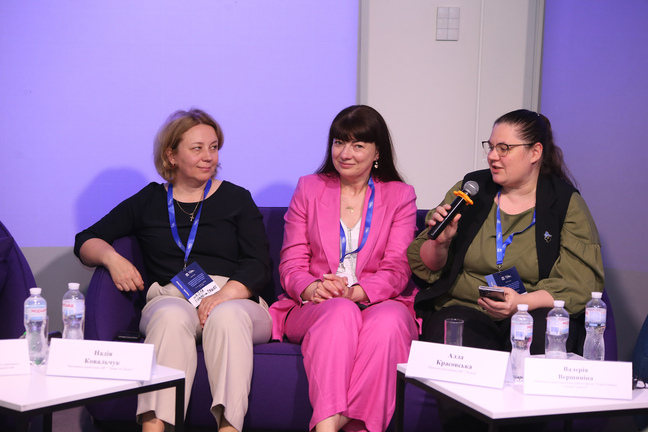
The second panel discussion, How integration or reintegration of IDPs is supported, focused on the practical experience of hromadas, government institutions, and civil society organisations in creating conditions for durable solutions. Participants discussed the outcomes of existing initiatives, the key challenges encountered in implementation, and the approaches that enable internally displaced persons not only to receive assistance but also to integrate successfully into the host hromadas.
One of the key themes of the discussion was the need to move towards solutions that respond to people's actual needs and individual circumstances.
In particular, Alla Krasovska, Project Manager at the Rokada Charitable Foundation, highlighted that the current support mechanisms fail to adequately reflect people's actual needs, life circumstances, and capacities.
“This becomes particularly relevant in the context of discussions about the return of Ukrainians from abroad. In such cases, the question arises: Will we consider these people within the framework of the IDP strategy? This reaffirms that an approach based solely on the individual’s needs must be the priority. Instead, communities must be able to provide support to everyone who needs it, tailored to each person’s specific life situation,” said Alla Krasovska.
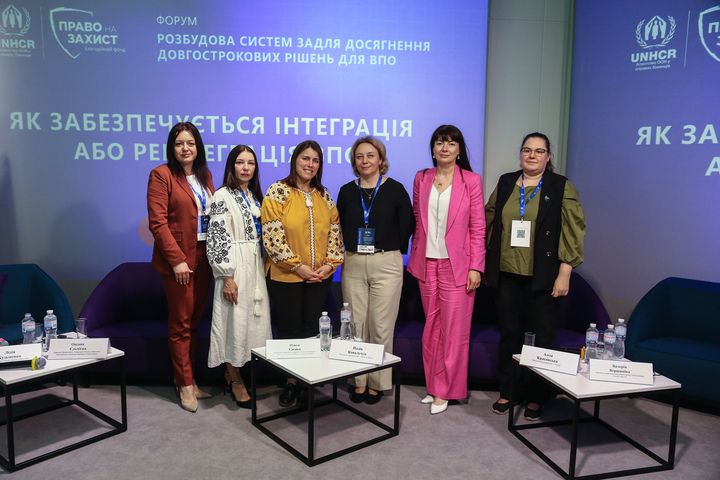
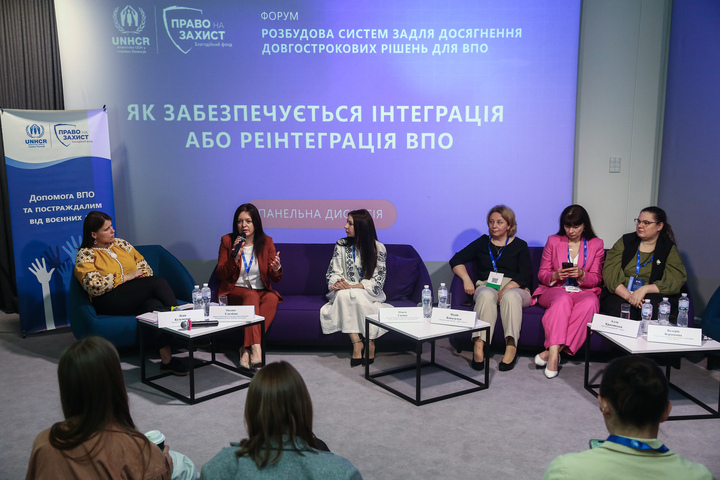
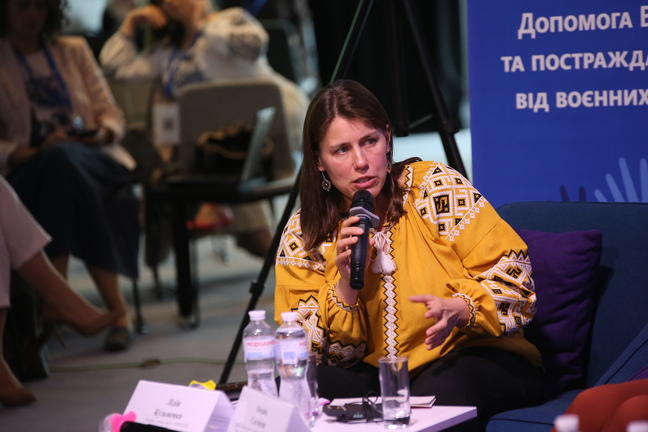
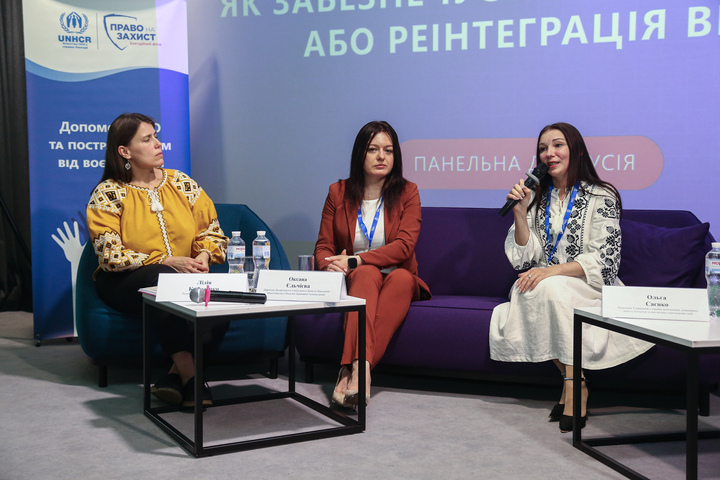
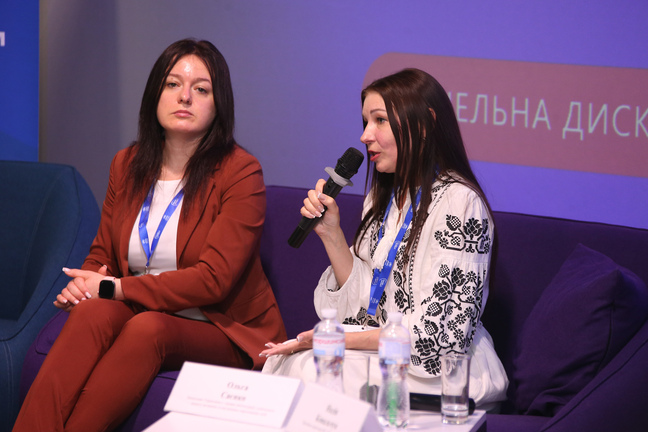
Olha Saienko, Head of the Department for Reintegration, Social Protection of Veterans and Internally Displaced Persons at the Poltava Regional Military Administration, emphasised that access to housing remains the cornerstone of successful integration.
“Internally displaced persons remain here in Poltavska oblast because, to us, they are not simply internally displaced persons but our residents, and they feel that. I believe that housing will be the key aspect of integration. Because having a home allows an internally displaced person to plan employment, to be confident that children are returning to their own home from school or nursery, and will remain in the region where they are currently residing”, explained Olha Saienko.
Nadiya Kovalchuk, Programme Director at Right to Protection, highlighted the urgent need for systemic solutions for people residing in collective sites for extended periods.
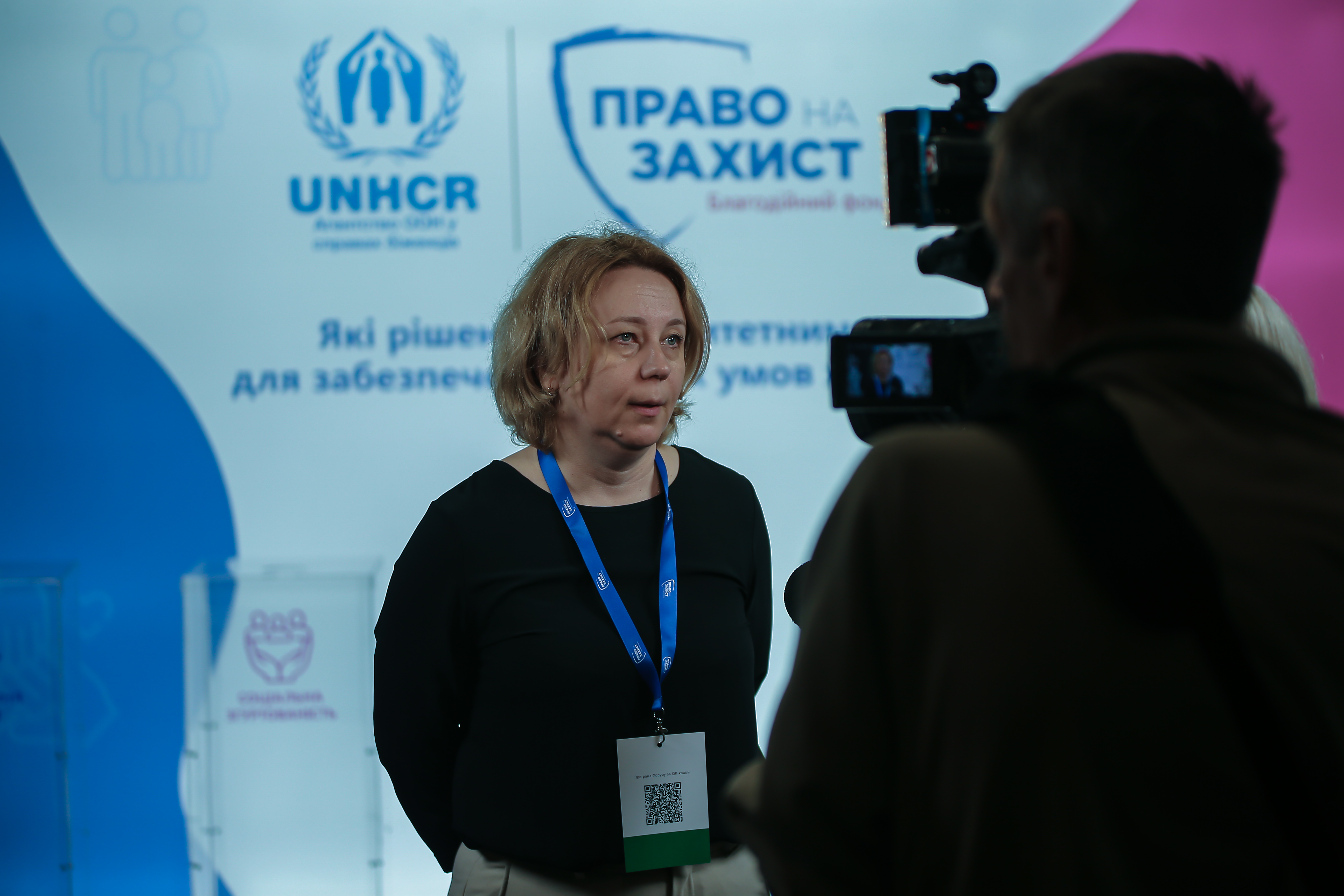
Nadiya Kovalchuk
Programme Director at Right to Protection
“The government must develop solutions to help people move out of collective centres. The experience of Bosnia and Herzegovina shows that the consequences of war can persist for decades: even 30 years after the end of the conflict, tens of thousands of internally displaced persons remain in the country. This creates a risk of prolonged isolation for people and hinders their integration into hromadas. It is therefore essential to implement measures that will help Ukrainians return to normal life and fully integrate into the hromadas where they live”
Particular attention during the second day of the Forum was given to the needs of older internally displaced persons. As part of thematic workshops, participants focused on practical solutions in housing, social protection, and access to essential services for older people, who often face additional barriers related to age, health conditions, or social isolation.
The insights and findings generated during the Forum will serve as the basis for developing a matrix of durable solutions, identifying the legislative and policy changes required at both the national and local levels, and formulating practical recommendations for national and local authorities, international partners, and donors to strengthen Ukraine's long-term response to internal displacement.
The Forum also featured an immersive station that allowed participants to follow the journey of a person forced to flee their home because of the war. Through audio narratives and interactive scenarios, they encountered the real-life challenges faced by internally displaced persons and explored the solutions needed to restore stability: from access to housing and employment to social protection and compensation for damaged or destroyed homes.
Once the scenario was complete, participants could find out what support they had received from Right to Protection Charitable Fund and how that assistance influenced the course of their lives and integration processes.
The installation served as a powerful reminder that behind every policy decision, statistic, and programme there are real people, with their own stories and life choices.
The Forum Building Systems That Enable Durable Solutions for IDPs took place in Kyiv on 3–4 June 2026.
The full recording of the event is available here.